
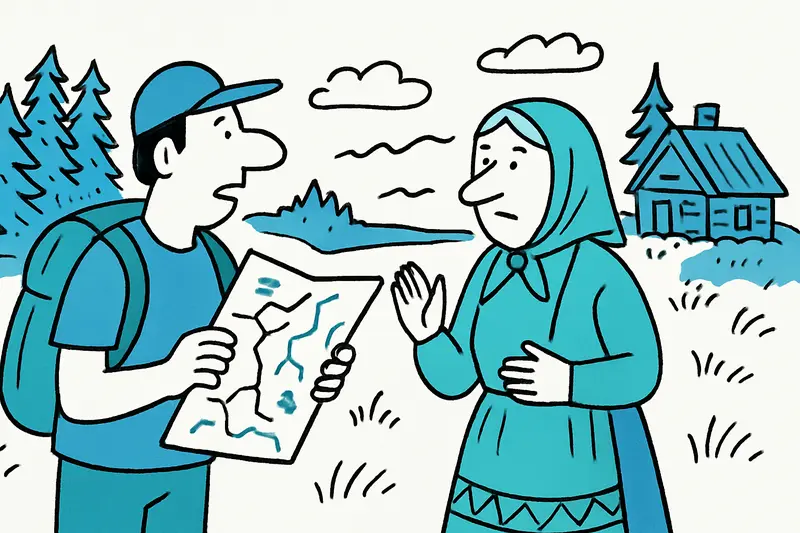
Estonia beyond Tallinn: Seven quiet discoveries for Mallorcans
Estonia beyond Tallinn: Seven quiet discoveries for Mallorcans
Wild bogs, small islands, a lively university town: Seven places in Estonia worth visiting when you leave the capital behind — ideal for Mallorcans seeking tranquillity, nature and authentic traditions.
Estonia beyond Tallinn: Seven quiet discoveries for Mallorcans
Woods, bogs, islands — and people who live their traditions
On a sweltering afternoon on the Passeig Mallorca one might well think: how about travelling away from the sun and instead escaping to cool forests, silent bogs and windy coasts? Estonia offers that in concentrated form. The islands in northeastern Europe are not Mallorca — and that is precisely their charm. Anyone looking for peace, space and stories off the main tourist routes will find surprisingly much that feels familiar and yet entirely different atmospheres. For local context see Exceptional Quiet Spots on Mallorca – Tips for a Relaxing Short Trip.
1. Soomaa National Park – water instead of roads. Instead of Tramuntana cicadas, insects here chirp over vast boglands. In spring, the melting snow turns parts of the park into a water landscape reachable only by canoe or a traditional dugout. For Mallorcans who love the sea, the experience is similarly meditative to an evening by the sea, only without the smell of salt and instead with the scent of peat and conifer forest. This recalls Calm, Rocks, Sea – Mallorca's Quiet Coves Away from the Sand Crowds.
2. Kihnu – an island that breathes tradition. On Kihnu, a small island in western Estonia, folk costumes, songs and crafts seem to stay alive. People cycle here, visit one another, and festivals are communal work. For those of us from Mallorca that sounds familiar: island compactness, short distances and a daily life in which neighbours play important roles.
3. Palmse Manor – gardens and history. Walking among leaves and pond reflections you sense the calm order of an old estate. Palmse shows another side of the islands: cultivated landscapes, restored buildings and stories of families, work and change. It is the place for a slow afternoon, with park benches instead of sunbeds.
4. Tartu – university, art and lively streets. Unlike the meditative natural spaces, Tartu is the lively counterpart: students fill cafés, small stages offer surprises, and the cathedral ruins sit like a silent guardian over everyday life. Mallorca's cultural scene knows this interplay of old and young — Tartu just does it with Nordic clarity.
5. Seto land – its own cultural universe. In the far southeast you encounter an ethnic group with its own language and singing tradition. The Seto practice of communal singing, their special festival forms and the Orthodox-influenced rituals invite you to listen more closely. For travellers who like to dive deeper into local identity, such encounters are more valuable than any list of sights. Mallorcan readers may find parallels in Weekend on the Island: Autumn Village Festivals in Caimari, Llubí and Es Capdellà.
6. Lake Peipus – the long coastal road and the Russian‑Orthodox tradition. On the western shore of the vast lake, villages line up where old settlement forms remain alive: farming, fish drying and centuries-old traditions. Anyone who enjoys a relaxed drive along the water — for us in Mallorca it might be the coastal road to Sóller — will appreciate the expanse of Lake Peipus.
7. Ontika Coast – cliffs, wind and vastness. The steep limestone cliffs in the north offer views over the Baltic where the wind tugs at your hair and sight reaches far. It is a place where you stop and become still — similar to a viewpoint on the island, only with a raw, northern character.
Practical tips for planning: the best time to travel to the quiet regions is May to September when the nights are bright and paths are passable. A rental car makes getting around in rural areas easier; on some routes there are still gravel roads. Those seeking genuine encounters should look for small guesthouses and family-run accommodations; breakfast with local products is often the nicest souvenir. For those who prefer autumn travel at home see Mallorca in Autumn: Space to Breathe, Sun to Enjoy.
Why this is interesting for Mallorcans: on an island you quickly learn how precious local identity, small communities and well-preserved landscapes are. Estonia reveals these values in a different way: less Mediterranean, more Nordic clarity — but with the same love of home. And anyone who, after weeks of sun and sea, wants to experience another kind of nature and quiet will find it here.
A final thought: travelling is not just about seeing new beaches, but also about feeling different rhythms. Whether you listen to a little splashing under a plane tree on the Passeig Mallorca or stand at the edge of the Ontika cliffs — both can order the senses. Estonia is worth it for anyone who loves the familiar and still wants to be surprised.
Frequently asked questions
When is the best time to visit Mallorca for nice weather and fewer crowds?
What should I pack for Mallorca and how should I dress?
Is it possible to swim in Mallorca year-round?
What is the easiest way to get around Mallorca?
Which towns are worth visiting for a first trip to Mallorca?
How can I stay safe and protect myself on Mallorca’s beaches?
What language is spoken in Mallorca and what currency is used?
How does Mallorca’s weather vary across the island and what should I check before packing?
Similar News

Rental Car Theft in El Arenal: What This Incident Reveals About Our Gaps
A teenager steals a running rental car in El Arenal, flees on foot, climbs over walls and is caught by the Guardia Civil...

Red Rope in Palma's Library: What Helps Against Selfie Tourism — and What's Missing
Palma's city library cordoned off an area with a red rope to keep selfie tourism away from reading and working activitie...

Fort San Carlos: Museum, Harbor Dispute — and a Conflict That Demands Answers
The military museum at Fort San Carlos sits right on Palma's harbor, with unexpectedly quiet rooms filled with cannons a...
Old Town Under Pressure: When a Doorway Becomes a Sleeping and Shower Place
For months a woman has been living with a parasol, a clothes rack and personal belongings next to the social welfare off...

When Shopping Weighs Heavier: Mallorca Demands a Tax Pause on Food and Fuel
Rising prices are putting pressure on households and agriculture. The Balearic Islands are calling for temporary tax rel...
More to explore
Discover more interesting content

Can Cap de Bou

Townhouse Lleo 72
