
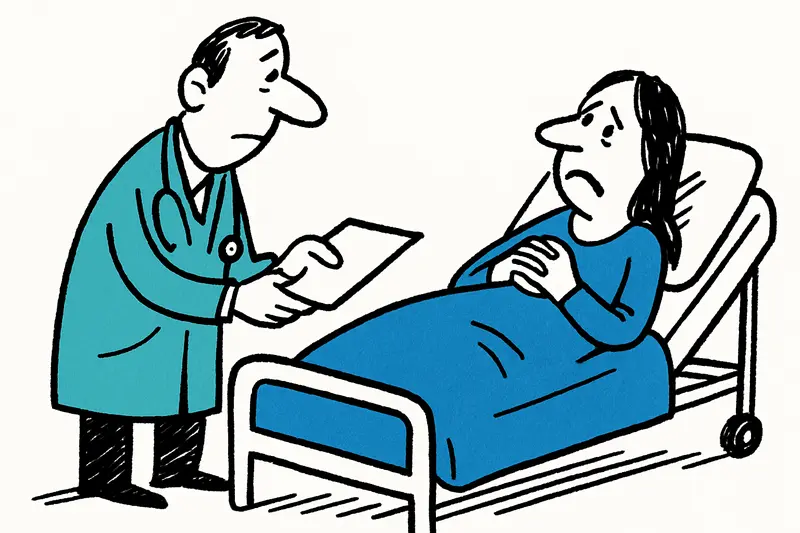
Euthanasia in Spain: What the Case of a 25‑Year‑Old Tells Us About Mallorca
Euthanasia in Spain: What the Case of a 25‑Year‑Old Tells Us About Mallorca
The death of a 25‑year‑old after approved active euthanasia has sparked nationwide debate. A reality check: What is missing from the public discourse, and what does this mean for Mallorca?
Euthanasia in Spain: What the Case of a 25‑Year‑Old Tells Us About Mallorca
Guiding question: How do we deal with the right to die with dignity when young age and psychological trauma play a central role?
Early afternoon on Passeig Mallorca: people sit at small tables with espressos, cars honk in the distance, and someone scrolls through the news on their phone with concern. The report about the death of a 25‑year‑old following approved active euthanasia makes its way into such conversations; it provokes anger, grief and questions — not only in Barcelona but also here on the island.
One thing is clear: in Spain active euthanasia has been permitted under certain conditions since 2021. In the present case the patient was a young woman with a spinal cord injury resulting in paralysis, whose physical and psychological suffering was directly linked to a severe traumatic event. Authorities approved her request, relatives and church representatives protested, and courts dismissed appeals. These facts are part of the public record. What interests us is: what lies behind the judicial "yes" and society's moral "no"?
Critical analysis: The legal framework in Spain provides procedures intended to include medical assessments, review processes and waiting periods. In practice, however, abstract criteria meet individual stories. A young life whose suffering is primarily psychological and arose from traumatic experiences puts the intended safeguards to the test. Are the existing assessments and psychosocial support services sufficient to reliably establish a free, informed decision? Or is the door opened too early when care provision and follow‑up are patchy?
What is missing from the public debate: First, clear figures and transparency on cases where psychological suffering was decisive. In the Balearics there is rarely reliable data on how often trauma consequences play a role in euthanasia requests. Second, there is little discussion about the availability of specialized trauma therapy, forensic psychiatry or palliative‑psychological services — areas that could prevent people in an acute crisis from making an irreversible decision they might later regret. Third, there is hardly any space for the voices of supporters of victims of sexual violence: what services really exist, how long are the waiting lists, who covers the costs?
Everyday scene in Mallorca: On the forecourt of the Son Espases hospital you see nurses with coffee cups, emergencies being admitted, a scooter rider swearing at a closed lane. Medical staff here know cases of severe trauma‑related disorders, but also the limited capacities — overcrowded emergency departments, short consultation times, external waiting lists. These images are typical of many everyday medical routines on the island and feed into the question of how well protection mechanisms work before decisions are made that cannot be undone, as coverage of a sudden death at El Arenal showed: Playa de Palma: Death at Balneario 2 – How good is Mallorca's help for people in need?.
Concrete solutions: 1) Better data collection: regional registers should publish anonymized statistics on motives and assessments in euthanasia requests. 2) Second and third opinions: for young applicants or when psychological trauma is involved, a mandatory multidisciplinary review should take place — including psychiatry, forensic psychiatry, palliative medicine and social work. 3) Expansion of trauma care: quickly accessible, free services for victims of sexualized violence must be available, with clear timelines and follow‑up plans. 4) Family and dialogue formats: legal procedures should include mandatory mediated conversation offers for affected persons and relatives — without coercion, but as an opportunity for clarification and farewell rules. 5) Independent review: a regional ethics commission with inspection and review powers can serve as an additional instance.
What has already happened legally: In the specific case judicial complaints up to the European Court of Human Rights were handled and dismissed. Such decisions set precedents, but they do not close the moral debate. For residents of Mallorca this means: legal certainty does not automatically equal social consent.
Where do we go from here on the island? Politicians and health providers in the Balearics should examine local infrastructure: are psychological capacities sufficient, is there adequate palliative and trauma care, are doctors and nurses adequately trained? All of this can be improved with regional initiatives without questioning legal rights, and reporting that raises difficult questions about local readiness — such as Death on Lombok: Mourning in Mallorca — and Many Unanswered Questions — should prompt concrete checks.
Pointed conclusion: It is a rupture when a young life ends as a bureaucratic consequence because care, accompaniment and the broader social debate did not keep pace. This echoes other recent incidents on the island, such as Mallorcan performer dies during show in Bautzen – Who protects travelling artists?. On Mallorca, between market stalls, buses and clinics, we should not only argue about legality but concretely close the gaps that drive people to the ultimate decision.
Frequently asked questions
Is euthanasia legal in Spain, including Mallorca?
What conditions must be met for euthanasia approval in Spain?
Can psychological suffering be a factor in euthanasia requests in Spain?
Why has the case of the 25-year-old sparked debate in Mallorca?
How good is trauma and mental health support in Mallorca for people in crisis?
What is Son Espases hospital’s role in serious cases in Mallorca?
What should Mallorca do to improve safeguards around euthanasia requests?
Does a court decision on euthanasia mean there is social agreement in Mallorca?
Similar News
Fewer Airlines, Fewer Destinations: What Palma's Winter Flight Schedule Means for Mallorca
Analysis shows: Winter at Son Sant Joan Airport will be quieter, with significantly fewer airlines and destinations. Who...
German tourist dies in Sa Calobra – a reality check for emergencies on Mallorca's beaches
A 40-year-old tourist died at the Torrent de Pareis. The emergency call, a doctor who happened to be present, a defibril...
Deadly Tractor Accident in Bunyola: What Needs to Be Done Now
In a work accident on an estate near Bunyola, a roughly 40-year-old man lost his life. His wife and a small child were o...
Head-first dive into the shallow part of Cala Fonoll: An accident and the unresolved question of responsibility
A young tourist dove into Cala Fonoll and was seriously injured. Key question: Why are clear warning signs missing at da...
Mistaken identity with fatal consequences: Brutal assault in S'Aranjassa — what's missing in the follow-up?
At S'Aranjassa a visitor to a finca was tied up, beaten and thrown out of a van. Three men have been arrested, including...
More to explore
Discover more interesting content

Can Cap de Bou

Townhouse Lleo 72
