
Fall in Palma: Who protects older residents in high-rise buildings?
Fall in Palma: Who protects older residents in high-rise buildings?
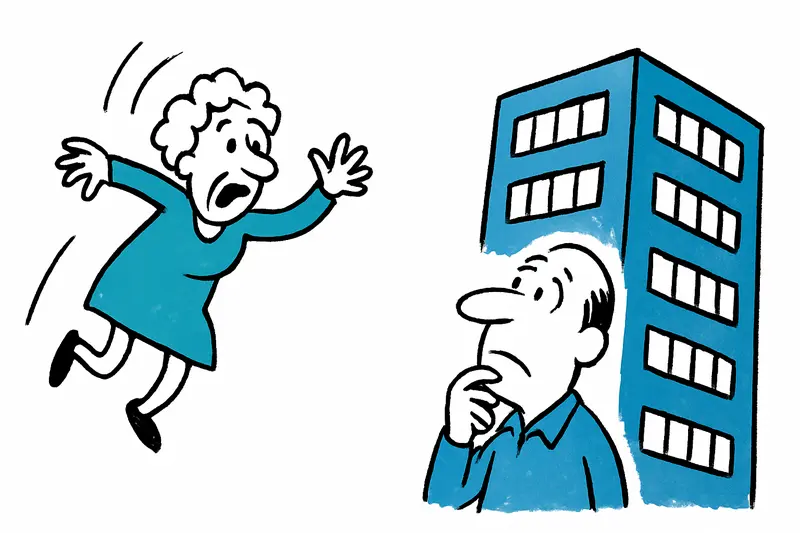
An elderly woman fell on the evening of 27 January in Palma from the 11th floor of an apartment building on Calle Joan Alcover. Emergency services pronounced her dead. The circumstances remain unclear; initial indications point to an accident. Time for a reality check on the housing safety of older people.
Fall in Palma: An evening on Calle Joan Alcover ends fatally
Late on the evening of 27 January the otherwise familiar soundscape in parts of Palma fell silent for a moment: a van speeding along the avenue, the floodlights of the supermarket, then the whir of the shutters in the building on Calle Joan Alcover. Around 7:30 pm an elderly resident fell from the eleventh floor into the courtyard of the apartment block. Emergency personnel could only confirm her death. How the fall happened remains unclear; current information points to a tragic accident.
Key question: What does this accident mean for the safety of older people in Mallorca's residential neighborhoods?
This is not an academic question. In Palma, where old buildings stand next to new ones and many people in later life live alone in high apartments, there are very concrete risks: railings, windows, the condition of balcony doors, poor lighting in courtyards, but also the social situation of those affected. Who checks whether homeowner associations and landlords take the necessary measures? Who informs older tenants about simple protective precautions? Additional reporting from other parts of Mallorca, such as Fatal Discovery in Son Macià: A Case Raising Questions about Protecting Older People, highlights similar concerns.
Viewed critically, several issues stand out: first, reporting often focuses on individual fate; second, reliable figures on how often falls from apartments occur and which building measures would help are lacking, as seen in Fall in Palma: An elderly man, a balcony and many unanswered questions. Third, the question remains open as to what access and responsibility municipalities have regarding private residential complexes, especially older buildings without regular modernization.
Public debates tend to dramatize events or quickly move on. What is missing is prevention. On Mallorca, repairs are often postponed, owner associations are divided, and many older people live alone, with limited mobility or without regular family support. These everyday scenes are familiar: around Calle Joan Alcover neighbors sit on the steps, a small corner shop stays open late, older people cautiously climb the stairs — island life shows its familiar sides, but also its gaps.
What is missing in public discourse is a concrete plan: technical standards for balcony and window installations, regular inspections of older buildings, simple information campaigns for seniors on fall prevention and emergency call systems, and better networking of social services with neighborhoods. Often there is also a lack of reliable statistics to help plan measures in a targeted way.
Concrete solutions that can help in the short and medium term are feasible:
1. Visual checks and prioritization: The municipality can ask homeowner associations to carry out voluntary but documented visual inspections of balconies and windows and prioritize particularly old buildings.
2. Information campaigns: Simple brochures and neighborhood visits by social services with advice on safe furniture, non-slip surfaces and the importance of window-handle locks.
3. Emergency and alarm systems: Promote low-cost emergency call systems for seniors living alone – through subsidies or local social facilities.
4. Barrier-reduced communal areas: Better lighting and clear courtyards reduce risks when accessing apartments; this should be the task of homeowner associations in cooperation with neighborhood councils.
5. Data and transparency: Recording accidents in municipal statistics instead of treating them only as isolated press reports; numbers help distribute resources.
Such measures sound manageable, but often are not: ownership issues, financial barriers and neighborhood organization stand in the way. Still: small investments save lives. A secured balcony or a simple lock on a window can make the difference.
This case also shows something else: how close joy and tragedy can lie. A neighbor watering flowers in the evening may only notice something has happened when stepping outside. A street like Calle Joan Alcover, with its lampposts and the smell of fried fish from the kitchens, is part of everyday life. And in that everyday noise we encounter problems that are loud enough when we listen.
Conclusion: Behind the sad news is a wake-up call. Not every tragedy can be prevented, but many risks can be reduced if city administrations, owners and social services work together more concretely. It's not about publicly shaming those responsible, but about creating structures that make another accident less likely. Calle Joan Alcover reminds us that safety sometimes begins with small things: a repaired railing, a phone call to a lonely neighbor, regular checks of old windows.
The investigation into the specific case is ongoing; the facts are not yet complete. What remains is the duty to discuss prevention — and the reminder that an entire neighborhood's routines are affected when an evening ends so abruptly.
Frequently asked questions
What safety issues should older people in Mallorca watch for in high-rise apartments?
How can falls in Mallorca apartment buildings be prevented?
What should older people in Mallorca do if they live alone in a high apartment?
Who is responsible for balcony and window safety in Mallorca apartment blocks?
Are older buildings in Palma more risky for seniors?
What can neighbors in Mallorca do if they are concerned about an elderly resident?
What kind of safety checks make sense for a Mallorca homeowners association?
Can the Mallorca municipality help improve safety in private apartment buildings?
Similar News
Magaluf: Watchtower Alarm – Lifeguards Pull Unconscious Beachgoer from the Water
After a drama in the late afternoon, two lifeguards at Magaluf beach rescued an unconscious 44-year-old man. He was stab...
Turquoise in the City: How dangerous is the color play of the Sa Riera?
The Sa Riera in Palma suddenly turned turquoise — a pretty motif, but behind the effect lies a discharge of saline waste...

Jeckliner at Sunnesching: Cologne spirit sets sail from Palma
In September 2027 the Mein Schiff 2 briefly becomes a floating carnival stage: four days with Cologne bands, comedy and ...
Finally Home: Mike and Leyla Heiter Buy Villa with Sea View in Mallorca
The reality TV couple Mike and Leyla Heiter have bought a house in Mallorca with a roof terrace and sea view. An Instagr...
Arrest after series in Palma: Who protects apartments from repeat offenders?
The National Police arrested a man in Palma who investigators say may have broken into several apartments. In one incide...
More to explore
Discover more interesting content

Can Cap de Bou

Townhouse Lleo 72
