
Felanitx reintroduces the Blue Zone – who benefits, who loses?
Felanitx reintroduces the Blue Zone – who benefits, who loses?
After years without enforcement, Felanitx is reactivating the ORA zone. New rules, towing threats and an external operator are on the way. A reality check: what's missing from the debate and how could it be done better?
Felanitx reintroduces the Blue Zone – who benefits, who loses?
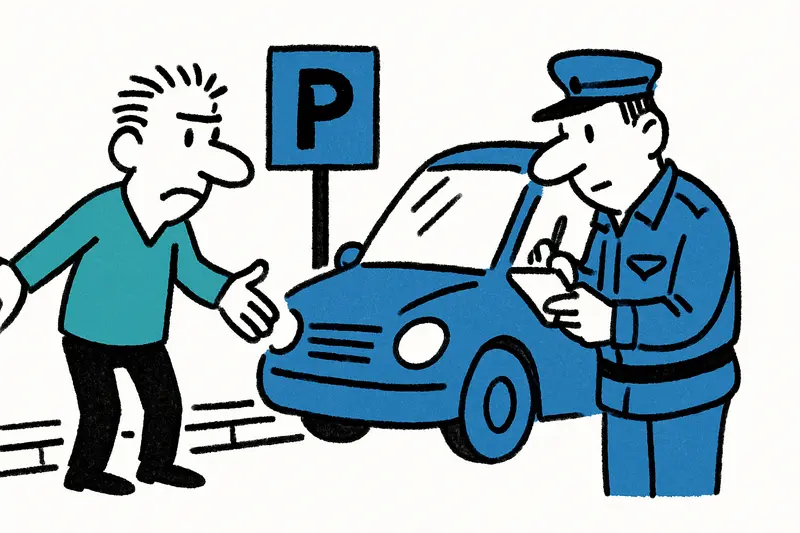
Morning in Felanitx: sunlight falls on the curved chairs in front of the bakery on the plaza, somewhere a coffee cup clinks, and the church bell strikes half past eight. In front of the Centro Comercial every second parking space seems occupied; many cars have been standing for days. The municipality has decided to reactivate the so-called ORA – the Blue Zone – after a long pause. That's the news. The question is: Will this actually relieve the center, or will it simply create new problems?
Key question
Can a reactivated parking management system in Felanitx fix the experienced disorder without unduly burdening residents or small businesses?
Critical analysis
The facts are clear: markings and meters are still there, and the new traffic regulation covers more than just parking spaces – driveways (vados), loading and unloading zones, bicycles and e-scooters are also regulated. Fees apply on weekdays in the mornings and evenings and on Saturday mornings; outside these times parking remains free. In addition, the local police will be able to tow more consistently, especially vehicles that have been parked for several days. Because staff were lacking during the pandemic, enforcement practically stopped; some machines no longer even accept coins. The municipality plans to award services such as maintenance, enforcement and sanctions to an external company.
The problem: such measures make sense from a technical perspective, but are not automatically socially considerate. Reactivation without accompanying infrastructure – clear signage, digital payment options, transparent towing rules – easily leads to grievances. People who need to visit a doctor during working hours, elderly residents, delivery vehicles for small shops: they all need practical exemptions or alternatives. If the meters continue to reject coins, digitization becomes a pressure tool for those who do not use a smartphone.
What is missing in the public debate
There is a lot of talk about order and vehicle rotation, but little about quality of stay or fair distribution. Also less discussed is how revenues should be used: will they flow into better sidewalks, a shuttle bus from a peripheral car park, or into general coffers? For discussion of who benefits from higher tourism revenue see More revenue, fewer Germans: Who really benefits from the Balearic boom?. Equally little discussed are clear, publicly accessible towing rules: How long must a car be parked before it is towed? Are warnings issued first? Without such clarities, distrust of the measure arises.
Everyday scene from Felanitx
An elderly couple who go to the market every morning on Calle de s’Aigua stand puzzled in front of a parking meter that now only accepts cards. A delivery driver roars through the narrow Carrer Major on a scooter because the loading zone is poorly marked. A young father searches for a free space while his child fidgets impatiently on the pavement. These scenes are typical and show: order needs more than a rule on paper.
Concrete solutions
1) Transparent towing policy: first a warning, then documentation and only towing after a set deadline; exemptions for residents with permits. 2) Parallel digital and analog payments: app payment complemented by functioning coin and card readers as well as clearly visible instructions. 3) Peripheral parking with shuttles: provide parking areas at the town edge at low or no cost and promote a small-bus/tuk-tuk service, especially on market days. 4) Clearly mark short loading zones for deliveries and stagger their times so that shops do not suffer. 5) Citizen participation: information evenings, notices in the municipality, a test phase with measurements of occupancy times; similar resident-focused debates occurred in Palma: Palma per tú: Who really benefits from the winter offer?. 6) Ring-fencing revenue: reserve at least part for sidewalk and plaza improvements, bike racks and barrier-free access. 7) Maintenance contract with clear KPIs: meters must work, downtime reduced, transparency in fines and appeals.
What to do now
The municipality has put the proposal in motion; the decision will not be made in a single day. Felanitx is also considering other major projects: Felanitx Plans New Long-Term Hospital: Opportunity for Care — or Too Much for the Municipality?. More important than the reintroduction itself is how it is implemented. A phased approach with clear rules, pilot areas and visible communication would reduce conflicts. Practically speaking: first inform, then tighten, not the other way around.
Pithy conclusion
Visitors to Felanitx rarely want a pocketful of parking tickets or a towing notice. The Blue Zone can help – if it is well implemented and socially acceptable. Otherwise a potential solution will become just another annoyance in a narrow old-town street.
Frequently asked questions
What is the Blue Zone in Felanitx and how does it work?
Will the Blue Zone in Felanitx make it easier to find parking?
Can you still pay for parking in Felanitx with coins?
Who is affected most by the new parking rules in Felanitx?
What happens if a car stays parked too long in Felanitx?
Is the Blue Zone in Felanitx free at night and on Sundays?
How could the Blue Zone affect shopping in Felanitx town centre?
What could make the Blue Zone in Felanitx fairer for residents?
Similar News

Four goals, heart-stopping moments, a message: Germania Mallorca takes three points in Consell — questions remain
The new German club on the island won its first away game in Consell 4:3. Celebration, a 4:0 lead, then a nervous finish...

Mueller continues expanding in Mallorca: Artà in 2026, Can Picafort in early summer 2027
The drugstore chain Mueller is opening two new stores in Mallorca: a 1,400 m² shop in Artà on 5 November 2026 and a bran...

The Painter Who Lived Mallorca: Franz Taussig and His Century-Old Secret
A hundred years ago a young Viennese arrived in El Terreno, sketched the island and called himself Francis Caron. Today ...

Airport dispute: Bridge, forecasts and the question of responsibility
A video by the Spanish transport minister has ignited the dispute over DORA figures, capacities and local governance pow...

The Painter Who Invented Himself: How a Young Viennese Drew Mallorca
A hundred years ago a 19-year-old draftsman arrived in El Terreno. His diary and sheets, long known under the pseudonym ...
More to explore
Discover more interesting content

Can Cap de Bou

Townhouse Lleo 72
