
Fewer Germans, Shorter Stays: What's Really Behind Mallorca's Slowdown
Fewer Germans, Shorter Stays: What's Really Behind Mallorca's Slowdown
The figures for April and the first four months of 2026 show: visitor numbers are stable, but stays and spending are falling—especially from Germany. A critical assessment and concrete proposals for the island.
Fewer Germans, Shorter Stays: What's Really Behind Mallorca's Slowdown
Key question: Are the Balearics losing their regular German customers — and what does that mean for everyday life in Mallorca?
The raw numbers are unambiguous: In April 2026 the Balearic Islands received 1.68 million tourists (+0.7% year-on-year), but tourism revenues in the same month fell by 1.6% to €1.74 billion. The average length of stay shrank by 4.5% to 5.55 days, and overnight stays fell by 3.8% to 9.3 million. A similar picture emerges for January to April: 2.98 million visitors (+0.9%), revenues €3.09 billion (+0.06%), overnight stays 17.5 million (−3.7%).
Particularly striking is the collapse in the once-reliable German market, discussed in When the Germans Stay Away: Opportunity or Risk for Mallorca?: In April only around 501,400 Germans came to the Balearics, 13.7% fewer than a year earlier. On Mallorca the decline was about the same: the island recorded 0.8% fewer visitors in April, while German guests fell by 13.2%. In the first four months the number of German holidaymakers on Mallorca even dropped by 7.6%.
At the same time other origin markets show upward trends: Great Britain grew on the Balearics by 12.6% in April, and on Mallorca British guests increased by just over ten percent (more than 190,000 visitors). France and the Benelux countries are also growing strongly — Menorca even recorded a 15% rise in visitors in April and a revenue increase of 28.5% to €85.4 million.
These figures raise the question: Is it really just about changing flights and prices — or is a fundamental shift behind the gradual decline of German guests? A critical analysis shows: the explanation is multi-layered.
First: length of stay and spending are falling. Someone who stays only two or three days spends differently than someone who books a week. The average stay of 5.55 days means the number of overnight stays and thus total revenues shrink, even though arrivals remain stable.
Second: shifts in source markets. France, Great Britain and Benelux are growing noticeably. This affects supply and marketing: hotels and tour operators orient toward the target groups that are currently gaining — which changes product design and prices.
Third: the structure of supply and demand is changing. Many Germans now prefer different travel formats: more short trips, alternative Mediterranean destinations, or they choose accommodations and travel types that do not appear in official statistics for classic package holidays. Seasonal shifts and flight capacities also play a role — fewer connections, higher prices, and lower attractiveness for the traditional package holiday.
What is missing in the public debate
Public debate often focuses only on rising or falling visitor numbers. The following aspects are underexposed: the quality of demand (who comes, how much they spend), the use of tourist taxes for sustainable product development, the condition of infrastructure outside the high season, and the consequences for employees in hospitality who rely on longer stays. Also rarely discussed is how Germans' travel behavior is changing — not only are fewer coming, they are booking differently.
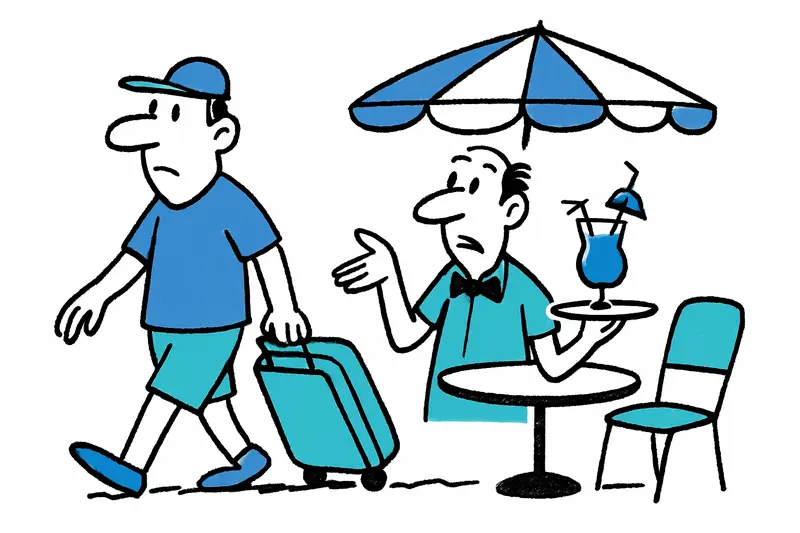
An everyday scene to illustrate: On a Tuesday morning in Santa Catalina there is the smell of fresh coffee, vendors chat in Mallorquí and German at the market, but the tables at the edge are noticeably emptier than five years ago, a trend noted in Empty Tables, Growing Worries: Why Mallorca's Gastronomy Is on Low Flame. The bus from the airport into town is in the afternoon full of young Brits; on the Paseo Marítimo street musicians address a new audience — the picture is changing, quietly and bit by bit.
Concrete proposals
1) Diversify target groups: move away from the sole focus on large numbers from Germany; instead target markets such as France, Benelux, Scandinavia and, in the long term, long-haul markets. 2) Increase length of stay: promote combined offers of culture, nature and active holidays that encourage guests to stay longer. 3) Promote infrastructure for long-term stays: co-working spaces, better internet connectivity, flexible apartment offers for digital long-stay guests. 4) Flight and transport strategy: closer coordination between airports, airlines and tourism organizations to close capacity gaps in critical weeks. 5) Invest tourist taxes sensibly: in season extension, staff training, environmental and traffic projects. 6) Strengthen small businesses: regional marketing, direct booking options, quality networks.
All these measures require data, the courage to reorient, and time. It is not enough to rely on old recipes: reduced prices for the masses alone are not a long-term answer.
Concise conclusion
Mallorca is not losing its relevance overnight, but the structure of tourism is changing. Fewer Germans does not automatically mean fewer guests overall — it means different guests, different demands, different revenue profiles. Those who recognize this and now adjust offerings, connections and services can shape the change rather than chasing it. And for Mallorcans that means: the island must rethink, not just swap its advertising posters.
Frequently asked questions
Why are German holidaymakers spending less time in Mallorca?
Is Mallorca still getting more tourists even if revenue is falling?
What does a shorter holiday season mean for Mallorca hotels and local businesses?
Which foreign markets are growing in Mallorca tourism?
Is Mallorca becoming more attractive for short breaks instead of week-long holidays?
What should I pack for Mallorca if I’m only staying a few days?
What is changing in Santa Catalina in Mallorca as tourism patterns shift?
What can Mallorca do to reduce its dependence on German tourists?
Similar News

Biting dispute in Sa Coma: What does the incident say about hotel safety?
In Sa Coma a 65-year-old British man was seriously injured in a hotel: a 42-year-old tourist is alleged to have bitten o...
Moonlight Concert at Macià Batle: Music, Wine and Support for Children
At Macià Batle nearly 1,000 people gathered for a charity evening: film music under the stars, local food and donations ...
Concert de la luna: When Technology Gets in the Way of the Magic
A thousand people, bottles of wine, a summer night — and sound reinforcement that sometimes overpainted the music. A cri...
Mallorca Under Pressure: Housing, Tourist Influx and the Question of Limits
Numbers from two decades paint a picture: more residents, many more short-term visitors, exploding square-meter prices —...
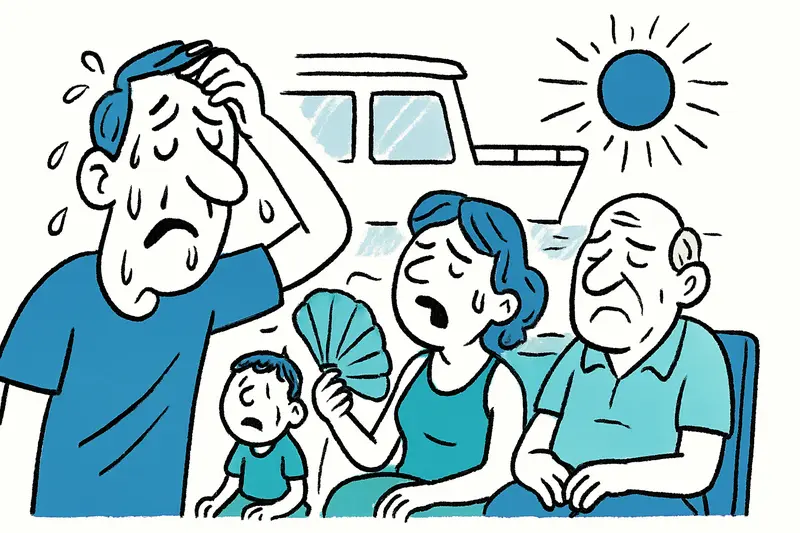
Seven Hours in the Heat: What Happens When the Ferry's Air Conditioning Fails?
Passengers report more than seven hours of sweaty travel between Palma and Valencia. A thermometer in the cafeteria show...
More to explore
Discover more interesting content

Boat Tour with BBQ along Es Trenc Beach

Private transfer from Mallorca Airport (PMI) to Pollensa
