
Final Stop: Animal Shelter — Why Yango Was Given Up a Second Time
Final Stop: Animal Shelter — Why Yango Was Given Up a Second Time
Yango, eleven years old, was returned to the municipal animal shelter in early April. The condition of the male dog highlights a gap: adoptions often lack aftercare, alternatives and a plan for older dogs. A critical assessment with concrete proposals.
Final Stop: Animal Shelter — Why Yango Was Given Up a Second Time
Guiding question: Why do adoptions fail when a dog has already spent years in foster care — and who bears responsibility?
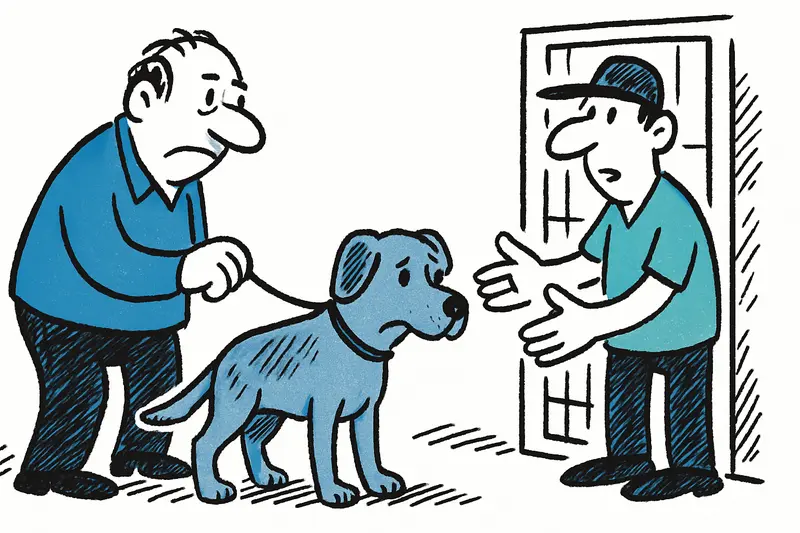
On a cool evening in early April, when the streetlights on Passeig Mallorca already glow faintly and the bus engines hum in the distance, a special quiet often settles over the inner courtyard of Son Reus. There Yango no longer lies calmly in a corner he does not know but desperately searches for familiarity. The eleven-year-old male had been taken from the intake center two years ago, spent a year in the Son Reus kennel and was now returned to the municipal Centro de Protección Animal (CEPAD) on April 1.
The animal welfare group that cared for him describes him as physically fit, playful and friendly — but clearly stressed and unable to process the second separation. This brief presentation of facts raises a simple but uncomfortable question: How can an existing system allow a dog to end up in a shelter again after years in foster care and a seemingly happy interim chapter?
Critical analysis: Placement processes often end with signing the contract, not with the success of settling in. There is a lack of binding aftercare, clear agreements about behavioral issues and financial support for unexpected veterinary costs. Age matters: older dogs are considered less attractive on the adoption market, even though they are calmer and often easier to manage. Previous issues such as food aggression further complicate placements if prospective adopters are not prepared or properly advised.
What is missing from public debate: transparency and data, as highlighted by the Pollença case of a dog found in a trash container. How often do returns happen? Which reasons are officially recorded? Without such data the discussion remains anecdotal. Also rarely addressed is the failure of the social safety net: circles of friends, neighbors or the SOS Animal shelter in Calvià could much more often serve as a bridge before a dog is handed back to the municipal intake center.
Everyday scene from Mallorca: A morning at the gate of Son Reus sheds light on this. People with bags from the Mercado de Santa Catalina stop, watch the dogs in the exercise areas, then continue talking about traffic at Plaça de Weyler. An elderly couple who once had a dog pick up leaflets. Such encounters are important — they are the places where placement can begin. But they do not replace structured aftercare.
Concrete approaches: First, mandatory aftercare following placement for at least three to six months. A short phone call, a home visit or a training session can be enough to detect problems early. Second, targeted support programs for older animals: reduced adoption fees, free initial checkups, discounts at local veterinarians. Third, expansion of foster and temporary-care networks: fixed contact points in communities that can step in at short notice instead of immediately returning animals to CEPAD. Fourth, mandatory education before the adoption is finalized about possible behaviors such as food guarding and appropriate handling strategies.
Further measures would be pragmatic: adoption contracts with clear fallback provisions, training offers for adopters (short workshops, online demos) and a simple public statistics on returns, broken down by reason. Such data would allow prioritization and more targeted allocation of funds.
For Yango specifically, many things would help: a foster place in a quiet apartment, regular walks away from crowds, a structured feeding plan and people who accept that he needs distance while eating. None of this is a magic trick — it is organization: time, money and a bit of expertise.
A change of perspective is also important: instead of seeing older dogs as "leftovers," they should be considered candidates for targeted programs. Older animals often bring experience, calmness and a strong ability to form bonds. Communicating this is a task for shelters, associations and local authorities.
Sharp conclusion: Yango is not an isolated case and stands as a symbol of a gap in the system. If we seriously want to prevent dogs from ending up in kennels again after years, we need more than good intentions. We need structured aftercare, regional foster options, financial support and publicly accessible data. Son Reus, CEPAD and local helpers do a lot — now politics and society must provide the missing tools so that Yango does not have to spend his final years in a box.
Frequently asked questions
Why do dogs get returned to animal shelters in Mallorca after adoption?
What support should new dog adopters get in Mallorca?
Are older dogs harder to rehome in Mallorca?
What should I know before adopting a dog with behavior issues in Mallorca?
Where can people help dogs near Son Reus in Mallorca?
What is CEPAD in Mallorca?
How can foster homes help animal welfare in Mallorca?
Why is aftercare important after adopting a dog in Mallorca?
Similar News

Four goals, heart-stopping moments, a message: Germania Mallorca takes three points in Consell — questions remain
The new German club on the island won its first away game in Consell 4:3. Celebration, a 4:0 lead, then a nervous finish...

Mueller continues expanding in Mallorca: Artà in 2026, Can Picafort in early summer 2027
The drugstore chain Mueller is opening two new stores in Mallorca: a 1,400 m² shop in Artà on 5 November 2026 and a bran...
The Painter Who Lived Mallorca: Franz Taussig and His Century-Old Secret
A hundred years ago a young Viennese arrived in El Terreno, sketched the island and called himself Francis Caron. Today ...

Airport dispute: Bridge, forecasts and the question of responsibility
A video by the Spanish transport minister has ignited the dispute over DORA figures, capacities and local governance pow...

The Painter Who Invented Himself: How a Young Viennese Drew Mallorca
A hundred years ago a 19-year-old draftsman arrived in El Terreno. His diary and sheets, long known under the pseudonym ...
More to explore
Discover more interesting content

Can Cap de Bou

Townhouse Lleo 72
