
Fire in an abandoned prison facility in Palma: Who is responsible?
Major nighttime fire in a prison facility in Palma that has stood empty for years. Four people rescued. Why does the building keep catching fire — and what responsibility does the city bear?
Fire in an abandoned prison facility in Palma: Who is responsible?
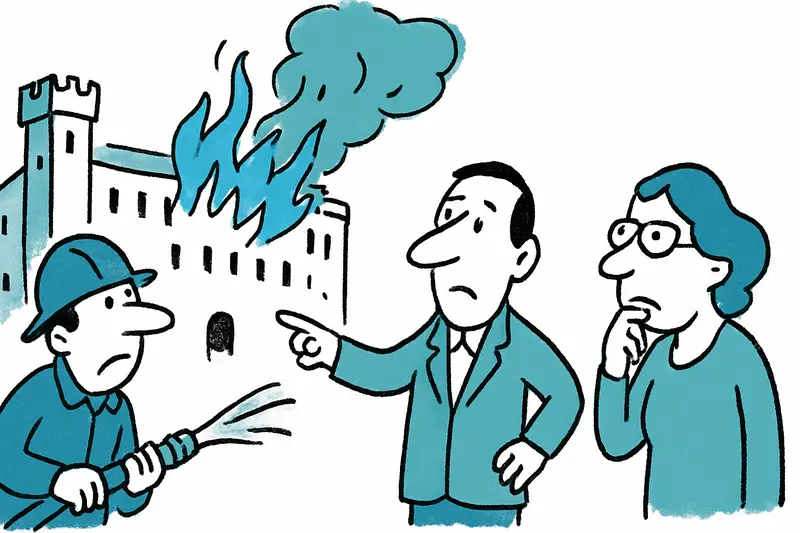
In the night to Saturday sirens woke many residents: In an old, long-unused prison facility in Palma a large fire broke out around 01:30 a.m. Flames reached up to the second floor; several fire department units and units from the Policia Nacional and Policía Local cordoned off the area. Four people who had been inside the building were brought to safety. Initial findings suggest large accumulations of rubbish inside served as the source of the fire; no injuries were reported.
Key question
Who is responsible for ensuring that a dilapidated building that repeatedly catches fire in the middle of the city is left to itself?
Critical analysis
The facts are sparse but clear: a vacant building, niches regularly used by people without fixed housing, household waste as tinder and recurring fires. Such incidents tie up substantial resources of the fire service and police — as in Fire in Can Morro near Porto Pi: A Wake-Up Call for Mallorca's Fire Safety — and endanger local residents as well as the people living there. Responsibility is spread across several shoulders: owners, city administration, social services and security authorities. If no one is held permanently accountable, a vacuum arises that discharges into ashes and smoke.
What is missing from public debate
The discussion often stops at the dramatic images from operations such as Fire near Porto Pi: What the blaze reveals about safety in Palma. There is a lack of clear information about ownership, ongoing administrative procedures or concrete immediate measures after previous fires. Preventive measures are also not consistently discussed: are there regular patrols, on-site rubbish removal or coordinated street outreach workers who could reduce fire risks, as outlined in Fire on the outskirts of Palma: When improvised settlements become a ticking time bomb? Without these details the debate remains superficial and the danger persists.
Everyday scene from Palma
If you walk along the Passeig or the narrow alleys around the old town on a Saturday morning you can still hear it: the distant echo of the sirens, the quiet conversation of neighbors outside a café, the rustle of garbage bags lying at the curb. An older man at the newsstand shrugs and says: 'The building has been like that for years. You get used to it.' Getting used to it must not replace responsibility.
Concrete solutions
- Ownership and responsibility audit: The administration must disclose who owns the building and set clear deadlines for security measures. It must not be possible for legal limbo to allow years of uncontrolled decay.
- Immediate securing: Fences, lighting and regular removal of rubbish reduce acute fire risks. Barriers should be installed professionally and monitored so people are not pushed into dangerous niches.
- Offer social alternatives: Mobile streetwork teams, emergency shelters and targeted integration measures prevent people in need from sheltering in flammable buildings. Prevention only works together with social services, not through prohibition alone.
- Technical prevention: Smoke detectors, camera-supported monitoring at critical points and fire alarm systems could enable earlier alerts. Of course only in line with data protection and human dignity.
- Long-term reuse: Converting such old buildings into social housing, neighborhood centers or secure storage spaces creates durable solutions and removes the basis for the problem.
What the city can do immediately
A rapid task force from urban planning, social services and the fire department should present an action plan within a few days: secure fencing, daily checks, rubbish removal on site and binding dates for structural securing by the owner. At the same time temporary accommodation places for affected people are needed so that securing measures can be implemented without coercion and conflict.
Conclusion: It is easy to comment on the spectacular images after the fire and then return to normal life. True responsibility shows itself in the quiet weeks beforehand: who cleans up, who cares, who plans the reuse? If the city, owners and social services do not become capable of acting together, Palma will experience more such nights — with sirens, smoke and empty promises.
Frequently asked questions
Why do abandoned buildings in Palma keep catching fire?
Who is responsible for a dangerous abandoned building in Palma?
What should I do if I hear sirens near Palma at night?
Are abandoned buildings in Palma dangerous for people living inside them?
What can Palma do to prevent fires in empty buildings?
What happens after a fire in an abandoned building in Palma?
Is it common for vacant buildings in Palma to be used as shelter?
How can a neglected building in Palma affect nearby residents?
Similar News
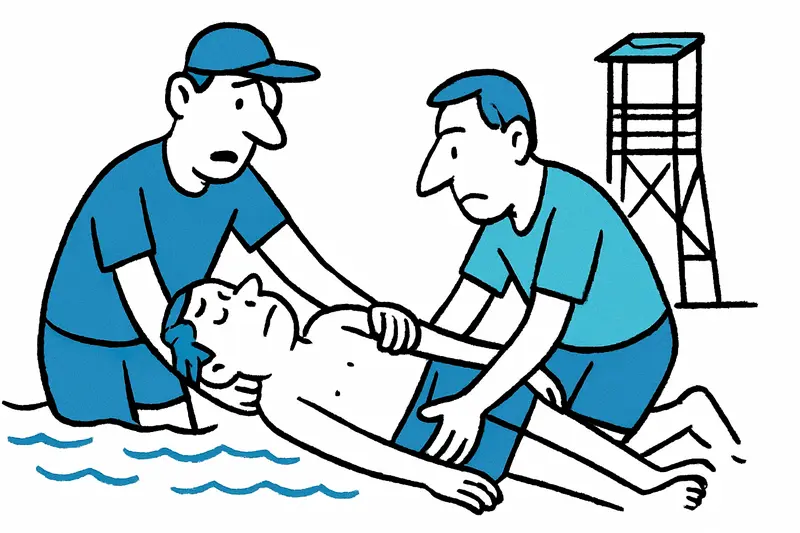
Magaluf: Watchtower Alarm – Lifeguards Pull Unconscious Beachgoer from the Water
After a drama in the late afternoon, two lifeguards at Magaluf beach rescued an unconscious 44-year-old man. He was stab...
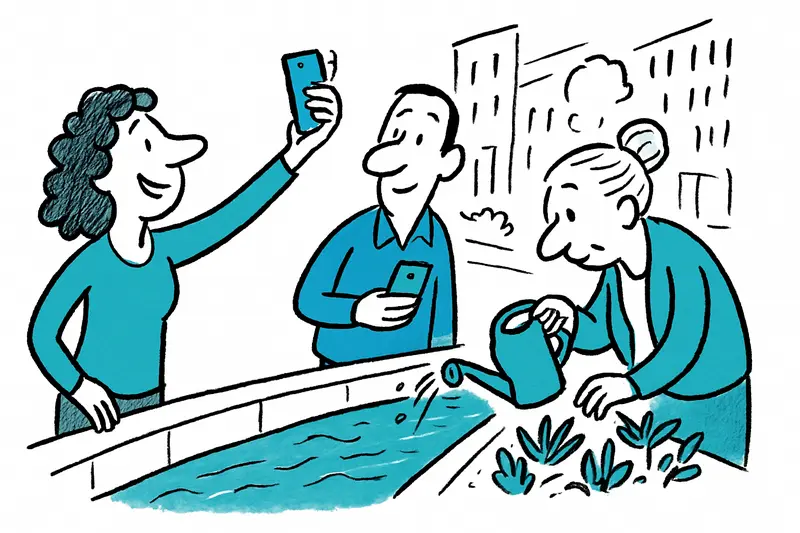
Turquoise in the City: How dangerous is the color play of the Sa Riera?
The Sa Riera in Palma suddenly turned turquoise — a pretty motif, but behind the effect lies a discharge of saline waste...

Jeckliner at Sunnesching: Cologne spirit sets sail from Palma
In September 2027 the Mein Schiff 2 briefly becomes a floating carnival stage: four days with Cologne bands, comedy and ...
Finally Home: Mike and Leyla Heiter Buy Villa with Sea View in Mallorca
The reality TV couple Mike and Leyla Heiter have bought a house in Mallorca with a roof terrace and sea view. An Instagr...
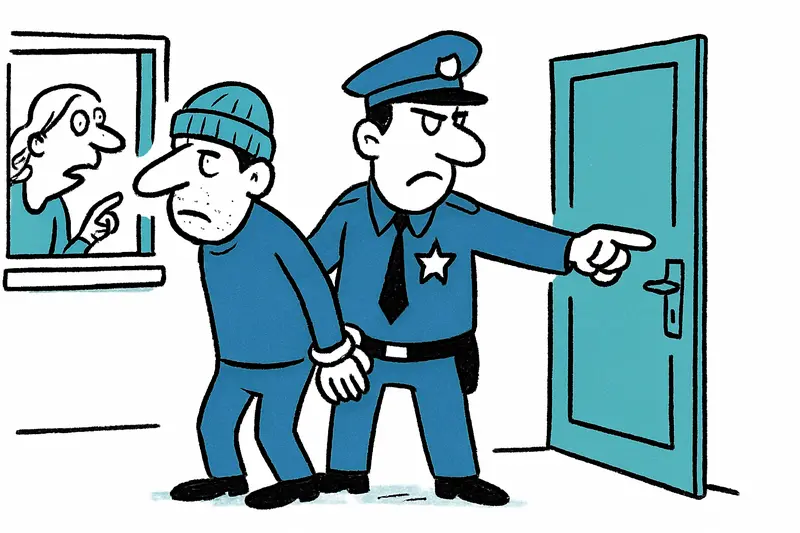
Arrest after series in Palma: Who protects apartments from repeat offenders?
The National Police arrested a man in Palma who investigators say may have broken into several apartments. In one incide...
More to explore
Discover more interesting content

Can Cap de Bou

Townhouse Lleo 72
