
Smoke in the waste room: brief evacuation in Palmanova — what hotels should learn now
In the late afternoon, a fire in the waste room of a hotel in Palmanova triggered the alarm. 300 guests were evacuated; after just over an hour they were allowed back. Why does such dense smoke occur and what can hotels do better?
Smoke in the waste room: brief evacuation in Palmanova — what hotels should learn now
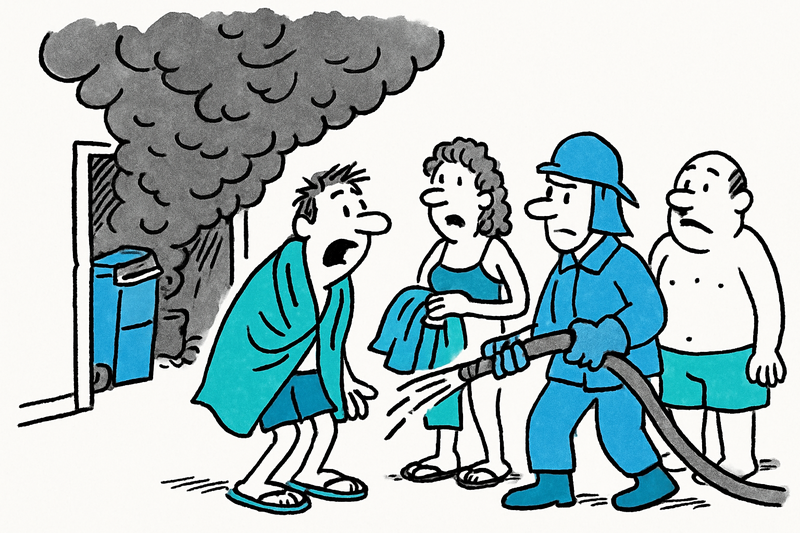
Yesterday at around 5:00 pm sirens and the soft murmur of the promenade broke the evening calm in Palmanova: a fire had started in the waste room of a four‑star hotel and the smoke detector reacted immediately. Within minutes families stood with towels draped over their shoulders, children in flip‑flops clung to ice cream cups, and the air smelled of burning plastic and spilled coffee. Fortunately: no injuries, as later reported in Fire in hotel at Playa de Palmanova: Evacuation, no injuries — and unanswered questions. After a little more than an hour, the roughly 300 guests were able to return to their rooms.
How the evacuation went — a view from the boulevard
On site the staff helped calmly and competently: the reception activated the evacuation protocol, the Bombers de Mallorca sealed off the affected corridor and ventilated the stairwell and escape routes. I arrived at the scene around 5:20 pm; the promenade was full of people, you could hear Nordic voices, playing children and the distant clatter of restaurant cutlery. Employees handed out cool drinks and chocolate, some guests wrapped wet towels more tightly around themselves. The composure of many holidaymakers was surprising — less panic, more practical action.
Why so much black smoke?
The fire apparently started in the waste room where paper, residual waste and packaging were stored. Such materials produce dense, black smoke when they burn, which spreads quickly through shafts, ventilation ducts and stairwells. The fire brigade worked with breathing apparatus and extinguished the fire quickly; the police managed the access so that additional emergency vehicles had space.
Central question: how protected are hotels against such small fires?
The spontaneous evacuation shows that alarm and emergency plans work. But the episode raises the question: are simple prevention measures being implemented sufficiently? Waste rooms are often underestimated — they contain easily flammable packaging, moisture, sometimes defective electrical devices or smoldering cigarette butts in garbage bags. The result: avoidable operations, dangerous smoke and unnecessary disruption for guests and staff.
Analytical view: where are the weaknesses?
From the firefighters' point of view three points are critical: 1) storage and separation of waste – too much residual waste in one room increases the risk. 2) structural equipment – missing automatic smoke extractors, poorly sealed shafts and insufficient fire barriers favor smoke spread. 3) human error – improper disposal of hot ash or flammable liquids.
Particularly little discussed is the connection between daily organisation in hotels and inspection practices: are cleaning and disposal plans checked regularly? Is there a documented briefing for new employees? Such questions often determine the frequency of small but dangerous fires; similar evacuations have been reported elsewhere on the island, for example in Fire at Alcúdia Hotel: Evacuation Succeeds — What Lessons Will the Island Learn? and in Fire in Port d'Alcúdia: Why the big scare is also a wake-up call for fire safety.
Concrete opportunities and solutions
There are pragmatic steps that many properties can implement immediately:
1. Better waste separation and safe storage: separate, fireproof containers for hot ash or special waste; daily checks of waste rooms.
2. Technical measures: smoke extractors, self‑closing fire doors, automatic extinguishing systems or at least portable fire extinguishers within easy reach, following recognised guidance such as hotel fire safety guidance from NFPA.
3. Staff training: regular evacuation and firefighting drills, clear responsibilities for closing doors and ventilation openings.
4. Guest communication: information at check‑in on where ashtrays are and how to dispose of waste — often a short reminder is enough.
Small changes in everyday practices often save a lot of trouble — and protect people.
What now?
The official cause of the fire is still being investigated. The hotel advises affected guests to document any damage and to clarify with reception which steps will be taken. For the industry the lesson remains: prevention costs little, reduces deployments and preserves the holiday atmosphere on a mild Mallorcan summer evening.
We will follow up and report as soon as there are new details about the cause and possible consequences for the property. Until then: a look behind the waste-room door is worthwhile — not sexy, but important.
Frequently asked questions
What should I do if my hotel in Mallorca evacuates because of a fire alarm?
Why does a small hotel fire in Mallorca create so much smoke?
Is it safe to stay in a Mallorca hotel after a fire alarm and evacuation?
What can hotel guests do to help prevent small fires in Mallorca hotels?
What safety measures should a Mallorca hotel have to handle a fire quickly?
What happened in the Palmanova hotel evacuation?
Why are waste rooms a fire risk in Mallorca hotels?
What should guests do if they are in Palmanova and smell smoke from a hotel?
Similar News

Maribel: Five Decades of Service – Housekeeper from Peguera Celebrated with a Special Honor
Over 50 years in the hotel business: María Isabel “Maribel” Molinos was honored in Palma at the Nit del Turisme by Unive...
Orange Alert over Parts of Mallorca: Are We Prepared?
Dark clouds and an announced wet spell have triggered an Orange alert in parts of Mallorca. A reality check: what's miss...

Sundair & Co.: Sale speculation and what it could mean for Mallorca
Rumors about a possible sale of the airlines Sundair and Fly Air 41, which belong to Schauinsland-Reisen — and whether b...
Anne Wünsche in Mallorca: A job offer with a catch — who fits the role of personal assistant?
Influencer Anne Wünsche has left Berlin and is urgently looking for a full-time personal assistant in Mallorca. Why the ...
Daily from New York: Palma Between Boom and Strain
United will increase the Newark–Palma route to daily flights in 2027 using Boeing aircraft (231 seats). What does the in...
More to explore
Discover more interesting content

Can Cap de Bou

Townhouse Lleo 72
