
Flu season in Mallorca: Why getting vaccinated now is wise
Flu season in Mallorca: Why getting vaccinated now is wise
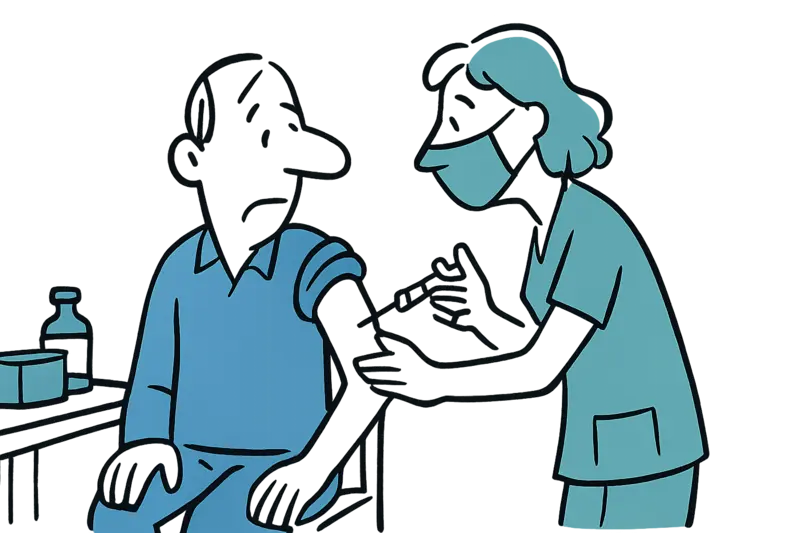
Flu vaccinations have been available in the Balearic Islands since October 19. Anyone in Palma who smells roasted chestnuts at the market or walks along the Passeig des Born can protect themselves now — especially older adults, pregnant people, those with chronic illnesses and children.
Flu season in Mallorca: Why getting vaccinated now is wise
The days are getting cooler, a damp freshness lies over Palma's harbor basin in the mornings, and on some street corners you can already smell roasted chestnuts. What for many is a sign of the cozy season also means: flu time. Since October 19, flu vaccinations have been available in the Balearic Islands, as outlined in the Flu Vaccination Campaign 2025/26 in Mallorca Starts: Preschools First, Then Risk Groups. That's good news — because vaccinating not only protects oneself, but the whole village square, the neighborhood, the bus line.
Vaccines are administered at the public IB-Salut health centers. Appointments can be booked online via Espai Salut, by phone at 971 220 000 (Monday to Saturday 7–21, Sundays and public holidays 8–21) or requested directly at the Centro de Salud. No secret: especially on gray November days there are noticeable queues at some centers. An early appointment saves time and nerves.
Who benefits most? Mainly people aged 60 and over, pregnant people, those with chronic heart or lung diseases, diabetes or a weakened immune system. This season, children from six months to eleven years are also part of the extended target group, as reported in the Vaccination Campaign for Preschoolers Starts: Nasal Spray in Mallorca's Schools. Healthcare and care workers are also strongly recommended to get vaccinated — out of responsibility towards patients.
Important to know: the flu vaccine does not offer one hundred percent protection against every infection because influenza viruses change every year. However, vaccination significantly reduces the risk of severe cases and hospitalizations. For the older woman who drinks her coffee every morning on Carrer de Sant Miquel, that can make the difference.
Distinguishing from a cold: influenza often starts suddenly with high fever, severe cough, headaches and body aches, and great exhaustion. A common cold usually comes on more slowly and remains milder. In case of shortness of breath, chest pain or a noticeable deterioration of the general condition: seek immediate medical help.
Practical everyday tips that shouldn't be missing in any health brochure work here too: regular handwashing, thorough airing of homes and offices — I think of small bistros in Plaça Major where the door often stays open — and simple cough and sneeze etiquette. Anyone who feels sick should stay home; that applies to the bus driver as much as the shop owner on Avinguda de Jaume III.
It's a grounding: the island lives on closeness — markets, cafés, beaches. That's why widespread vaccination is a community contribution. If many people are vaccinated, it relieves our clinics and helps keep intensive care beds free for other emergencies, a point highlighted in coverage of the Flu wave in the Balearic Islands: Why the epidemic classification now demands practical measures. The care workers, who sometimes work late in Palma's hospitals, also get a bit of protection back this way.
A little nudge: those unsure can first talk to their GP. Vaccines are adapted annually to expected virus variants; so if you were vaccinated earlier, you should consider the current season. For families with small children, discussion and planning are recommended — a fixed appointment saves frantic phone calls during parental leave.
The outlook is simple: a vaccination now means more calm mornings, fewer worries about relatives and less pressure on the health system. So: put on your jacket, make an appointment, enjoy a coffee with a view of the bay — and go through autumn with a clear conscience.
Frequently asked questions
When should I get the flu vaccine in Mallorca this season?
Who should consider getting the flu vaccine in Mallorca this season?
How do I book a flu vaccination in Mallorca?
Where can I get the flu vaccine in Mallorca?
How effective is the flu vaccine in Mallorca and is it worth getting this season?
How can I tell if I have the flu or a cold while in Mallorca?
What practical steps can help reduce flu spread in daily life in Mallorca?
Why is getting the flu vaccine important for Mallorca's community and hospitals?
Similar News
Blue Shark Ashore: What the Incident on Menorca Means for Our Beaches
A roughly two-and-a-half-metre blue shark was spotted near Son Parc and Arenal d’en Castell. Rescue teams acted quickly ...

Mallorca's Gastro Night: Awards for Traditional Bakers, Top Chefs and Island Favorites
At the fourth edition of the Premis Gastronòmics, around 1,000 guests celebrated the island's cuisine on Palma's seafron...

Eight hours in the air, no destination: What the Ryanair odyssey says about our trust in flight schedules
A Ryanair flight from Alicante to Newquay circled, landed in Dublin, attempted Bristol — and returned to Alicante. Why d...
When Holiday Cards Turn into Cash: Three Arrests After Pickpocketing in Valldemossa
The Guardia Civil arrests three men: In Valldemossa, tourists' bank cards were stolen and cash withdrawn at ATMs. How co...

More Seats, More Uncertainty: How Mallorca's Winter Flight Schedule Affects Summer 2027
Airlines are significantly increasing winter capacity to Mallorca – but rising kerosene prices, SAF costs and delayed go...
More to explore
Discover more interesting content

Can Cap de Bou

Townhouse Lleo 72
