
Blue Shark Ashore: What the Incident on Menorca Means for Our Beaches
A roughly two-and-a-half-metre blue shark was spotted near Son Parc and Arenal d’en Castell. Rescue teams acted quickly — but the scene raises broader questions about coastal monitoring and informing beachgoers.
Blue Shark Ashore: What the Incident on Menorca Means for Our Beaches
Guiding question: How well are our beaches really prepared for unusual marine events?
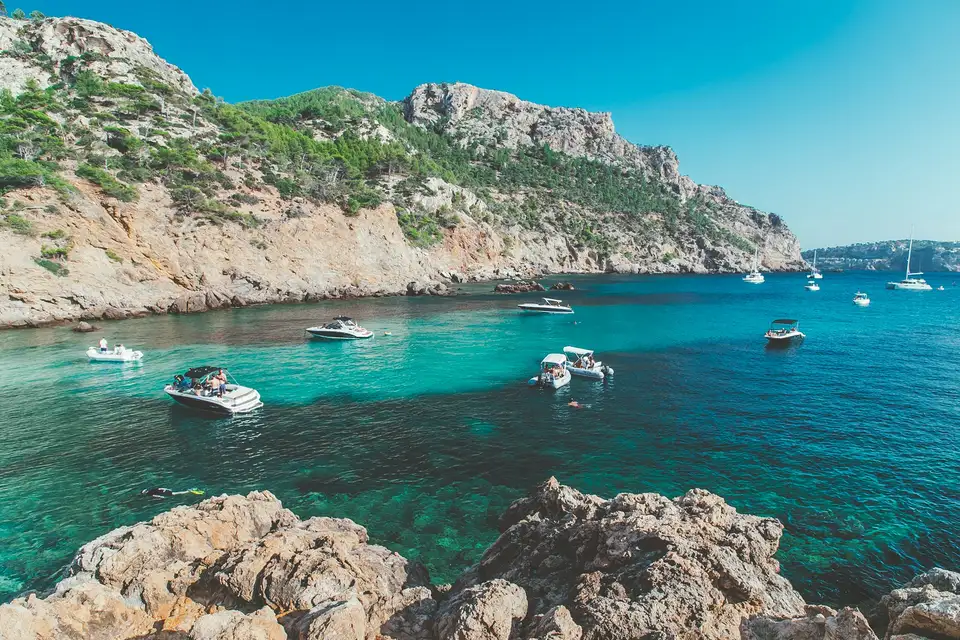
On Monday at midday, brief, hectic moments at two beaches in the northeast of Menorca caused a stir: a large blue shark, estimated at about two and a half metres long, appeared close to the shore and drifted almost onto the sand. Lifeguards at both locations raised the red flag, asked the few sunbathers to leave the water immediately, and alerted the responsible authorities via the emergency number 112. After a few minutes the animal apparently swam back into deeper water and disappeared towards the open sea. Similar strandings have occurred locally, for example Dead Shark at Playa Can Pere Antoni: Bite Marks Raise Questions.
Picture the raw scene: seagulls circling, the typical smell of salt and sunscreen in the air, soft music coming from a beach kiosk, and somewhere a lookout whistling — suddenly someone shouts something in Mallorcan, others start packing up towels. A day at Son Parc or Arenal d’en Castell usually feels harmless. But when the red flag is hoisted, the mood shifts within seconds from holiday calm to a slight unease.
Critical analysis: quick action, but what is missing?
That the lifeguards on site reacted swiftly and secured the risk area is positive and reassuring. In practice, however, such events pose several problems for municipalities and beach guards: sightings are often short-lived and hard to verify, the information available to people lying on the beach remains thin, and the mechanics of cordoning off — red flags, loudspeaker announcements — do not always reach everyone, especially families with small children or swimmers far out in the water.
There is also the question of transparency: who decides how long a beach remains closed? Which expert assessments do the emergency teams consult — marine biologists, fisheries authorities, environmental services? Past incidents have raised concerns about preparedness, notably Dead Shark at the Paseo: A Wake-up Call for Better Coastal Protection in Palma. In many cases procedures seem established, but their external communication is fragmented, as illustrated in Dead Shark on the City Beach: What the Large Wound Reveals About Mallorca. Beachgoers receive a brief signal, but hardly any explanatory information about the cause, the risk, or the next steps.
What is missing from the public discussion
We often talk about safety and bans — but seldom about prevention and education. Three aspects receive too little attention: firstly, systematic reporting structures along the coast so sightings can be recorded quickly and centrally. Secondly, regular training for rescue personnel that consolidates and standardises the handling of unusual marine animals. Thirdly, a clear information chain to the public that includes more than just the red flag — for example digital alerts, multilingual notices at access points, and explanatory signs on promenades and in car parks.
Concrete solutions
From my perspective on Mallorca, practical measures that can be implemented relatively quickly would help: a central reporting and information channel for the Balearics, reachable by app and phone; mandatory short briefings between the municipality, emergency services and nature conservation authorities at the start of each season; fixed information boards at beach entrances with clear behaviour rules for animal sightings; and field training for lifeguards that includes recognising injured or disoriented animals.
In the longer term, cooperation with research teams is worthwhile: satellite or transmitter tagging of sensitive species, scientific analysis of sighting data and joint public campaigns that inform visitors without creating alarmism. Such data would help distinguish whether events are outliers, disorientations due to illness, or changes in food webs.
Everyday scene: Why people on the coast need to feel safe
Imagine the small kiosk at the entrance to Son Parc: the owner knows the regulars, the sound of waves mixed with the clatter of deckchairs is normal, children dig in the surf zone. When the red flag goes up, it is often the same people who have questions: "How long? Why?" Short, understandable information would remove uncertainty in those moments. Then parents could calm their children, retirees could plan their walks, and tourists would know whether they can still enjoy a coffee at the shore. Similar small coves have seen tragic outcomes, see Tragedy in Son Bauló: Small Cove, Big Questions — How Safe Are Mallorca's Unassuming Beaches?.
Concise conclusion
The incident on Menorca was not a disaster, because rescue teams reacted quickly and the animal apparently moved off. But it is a wake-up call: we must professionalise communication and preparedness on our beaches. A red flag alone is not enough. Anyone who comes to the coast — local or visitor — has a right to reliable information and clear rules. Authorities should learn from such incidents instead of waiting for the next one.
My suggestion is simple: document, train, inform. Then beaches remain safe — and the sea can still hold surprises without us reaching for our hearts at the first sighting.
Frequently asked questions
What is the best time to visit Mallorca for outdoor activities?
Is it safe to swim in Mallorca's beaches year-round?
What should I pack for a trip to Mallorca?
What are good things to do in Mallorca besides the beach?
Are there family-friendly beaches or kid-friendly activities in Mallorca?
How to get around Mallorca without a car?
How does Mallorca's weather vary by season?
Are there must-see towns or viewpoints in Mallorca?
Similar News

Mallorca's Gastro Night: Awards for Traditional Bakers, Top Chefs and Island Favorites
At the fourth edition of the Premis Gastronòmics, around 1,000 guests celebrated the island's cuisine on Palma's seafron...

Eight hours in the air, no destination: What the Ryanair odyssey says about our trust in flight schedules
A Ryanair flight from Alicante to Newquay circled, landed in Dublin, attempted Bristol — and returned to Alicante. Why d...
When Holiday Cards Turn into Cash: Three Arrests After Pickpocketing in Valldemossa
The Guardia Civil arrests three men: In Valldemossa, tourists' bank cards were stolen and cash withdrawn at ATMs. How co...

More Seats, More Uncertainty: How Mallorca's Winter Flight Schedule Affects Summer 2027
Airlines are significantly increasing winter capacity to Mallorca – but rising kerosene prices, SAF costs and delayed go...
Barítimo: Marítimo returns to Palma's waterfront
The long-closed Marítimo on the Paseo Marítimo is set to reopen as "Barítimo": 198 seats, primarily Mallorcan cuisine, j...
More to explore
Discover more interesting content

Can Cap de Bou

Townhouse Lleo 72
