
Fornalutx secures slippery slope — why the wait took so long
Since 2019 an unstable slope has been a burden on Fornalutx's main street. The newly started stabilization works are necessary — but the long standstill raises questions about priorities, financing and future maintenance.
A slope that adds a quiet question to every walk
In Fornalutx, where the church bell echoes over the plaza in the morning and the bakery still releases the scent of warm ensaimadas, the issue has smoldered in the village for a long time: a slippery slope directly above the main street and the parking lot. The central question is simple — and uncomfortable: why did it take until now, since 2019, to finally take action, a delay mirrored in other local access disputes like the Path clear — but why so late? Soller must reopen closed GR-221 section?
Practical but demanding: what is planned now
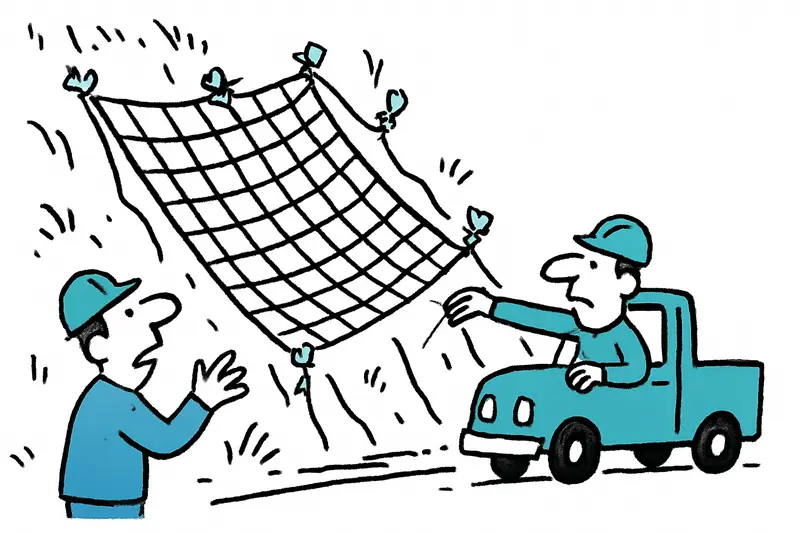
The planned works are technically straightforward: remove loose stones, install wire meshes, drive steel anchors into the rock. The goal is to prevent chunks from falling onto the roadway or parked cars during heavy rain and Tramuntana winds — a danger illustrated by the Rockfall at Sa Calobra: What are the lessons from the Ma-2141 closure?. If the weather cooperates, the measures are expected to take about four months. For residents this means fewer parking spaces, temporary lane restrictions and daytime construction noise — but delivery times and turnaround time for the school bus have been taken into account.
Why it took so long — a less smooth explanation
The short answer is bureaucracy: reports, permits, tenders. But the full explanation is more tangled. Fornalutx operates in a tension between heritage protection, narrow alleys and limited space, which complicates the use of heavy machinery. Added to this is budgetary pressure at the municipal and island levels: priorities shift when funds are tight. Less discussed is how climatic changes have increased the frequency of heavy rainfall — a factor that has required a reassessment of rock stability and delayed decisions.
Another often underestimated point: social costs rarely carry the necessary weight in technical reports. For the baker in the plaza, fewer parking spaces mean fewer customers; the small café fears delivery problems on market days; parents worry about a safe turning option for the school bus. Such everyday perspectives often determine acceptance more than purely technical arguments.
What risks remain — and how they can be reduced
The stabilization works reduce the immediate danger. But longer-term questions remain open: how will surface water be managed, how will vegetation be maintained and how often will inspections take place? Without accompanying measures, a slope could become hazardous again in a few years. Useful additions would include open catchment zones (gravel or shingle basins) below critical areas, controlled drainage channels above vulnerable layers and long-term sensor monitoring that detects cracks or ground movement early.
Concrete opportunities: what Fornalutx could make of the construction site
Construction sites are annoying — but they also open up opportunities for redesign. After the stabilization is completed it would be a good time to reorganize parking spaces, make visitor signage clearer and design green areas so they absorb water instead of directing it into the slope. Transparent communication reduces frustration: regular notices at the plaza, brief updates in local WhatsApp groups and fixed delivery windows for market and hospitality businesses build acceptance.
More creative financing solutions could help: EU climate adaptation funds, grants from the Consell for mountain communities or small-scale co-financing by local stakeholder groups. Crucial, however, is a realistic maintenance plan: invest once — and then check regularly, instead of waiting for the next crisis to react.
What neighbors should know now
In the coming months keep an eye out: notices at the plaza, information in local shops and temporary closures of the parking lot. For most people it is a matter of patience — and a small sacrifice for greater safety. Better a few months of construction noise than the constant uncertainty since 2019.
Conclusion: Securing the slope in Fornalutx is more than a technical measure. It reveals how closely everyday life, heritage conservation, climate and finances are intertwined in Mallorca's mountain villages. If planning and communication are transparent and maintenance as well as complementary water and vegetation measures are taken seriously, the project can make the village not only safer but also more resilient and livable — without sacrificing its characteristic appearance.
Frequently asked questions
Why is the slope in Fornalutx being secured now?
What kind of work is being done on the slope in Fornalutx?
How long will the slope works in Fornalutx take?
Will the road and parking in Fornalutx be affected during the works?
Is it safe to walk or park near the slope in Fornalutx during heavy rain?
Why do slope problems take so long to solve in Mallorca villages like Fornalutx?
What should residents of Fornalutx look out for while the work is going on?
What long-term improvements could help prevent future slope problems in Fornalutx?
Similar News
Body in the Basin of Port Adriano: Who Protects People During Crossings?
In the morning, just before noon: employees of a luxury marina discovered a floating body in the basin of Port Adriano. ...
Raised from the Sand: A Late Antique Merchant Ship Tells of the Sea off Can Pastilla
A 1,700-year-old Roman merchant ship was raised off Can Pastilla. Finds such as sail fragments and amphorae provide rare...
After the Storm: Why Many Fish Died at Riuet de s'Illot — and What's Still Missing
After the severe storm, numerous dead fish were found in the Riuet de s'Illot wetland. Who is affected, why it may have ...
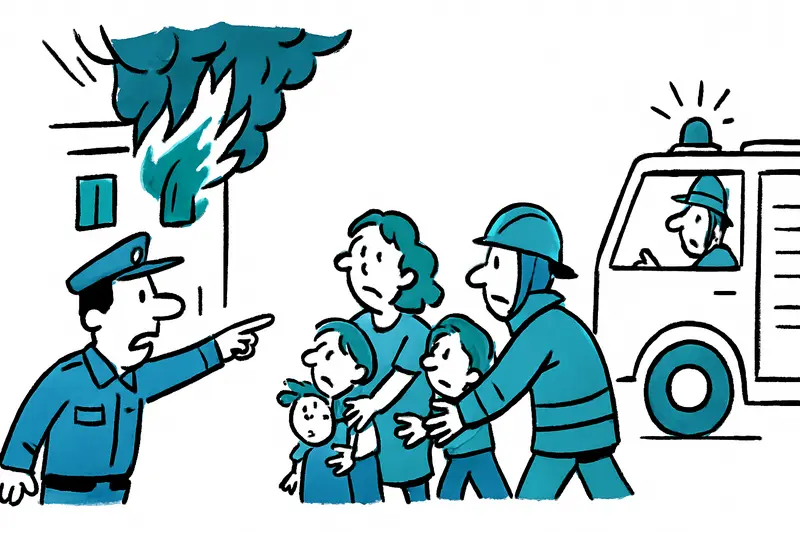
Fire in Can Picafort: Family Rescued at the Last Minute – a Safety Check for the Promenade
A fire in a sports shop on the Can Picafort seafront forced the evacuation of a mother with four children. How safe are ...
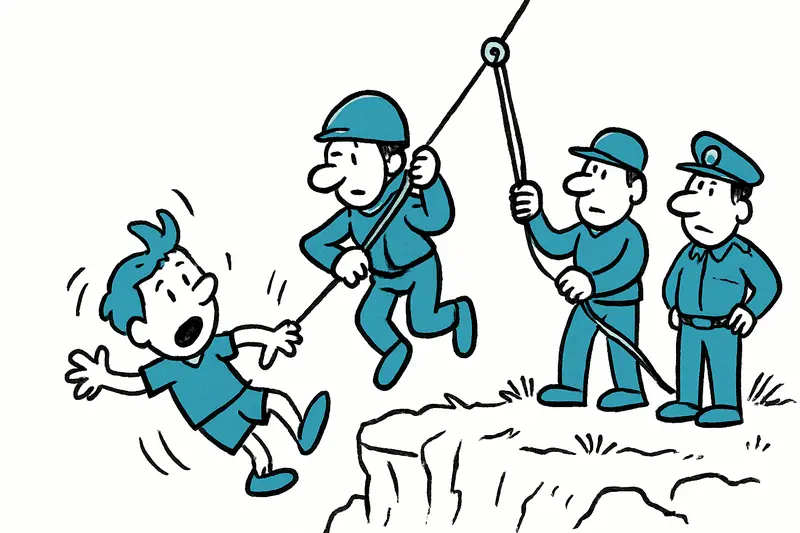
Nine-year-old rescued after cliff fall at Cala Murada — How safe are Mallorca's coastal paths?
A boy fell roughly five meters down the rocks near Cala Murada. The dusk rescue was elaborate; a helper also had to be r...
More to explore
Discover more interesting content

Boat Tour with BBQ along Es Trenc Beach

Private transfer from Mallorca Airport (PMI) to Pollensa
