
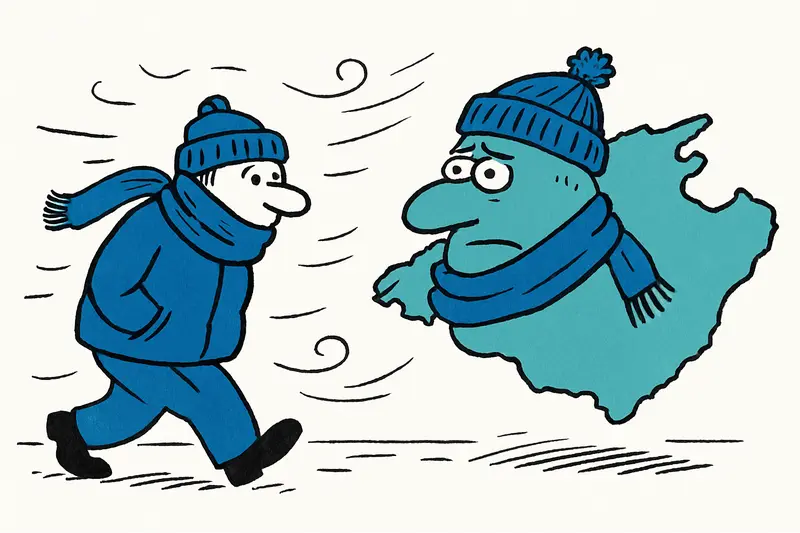
Cold, storm, snow? Mallorca must brace itself
Aemet reports frost, a falling snowline and strong winds — what does that mean for roads, ports and people on the island? A reality check with concrete recommendations.
Cold, storm, snow? Mallorca must brace itself
Key question: Is the island prepared for several frosty nights, snow from 400–600 meters and meter-high waves?
The national weather service Aemet has issued a series of warnings for the coming days, as reported in Cold snap in Mallorca: Is the island really prepared?: falling snow levels, nighttime frosts especially in the island's interior and southwest, and a broad storm warning for the coasts. On the streets of Palma on Monday morning you can see thicker jackets than usual: the wind whistles along the Passeig Marítim, windows at the Santa Catalina market fog up from condensation. No one here talks about a heatwave — the question is rather how vulnerable daily life, traffic and the economy are to this combination.
Critical analysis: What the warnings mean in practice
Aemet initially expects a snowline around 600 meters, later locally down to about 400 meters. That mainly affects higher areas of the Serra de Tramuntana and areas around Orient or Puig Major. For most coastal towns this means: no meter-high snow, but violent winds and heavy seas, as noted in Storm warning on the coast: Ten-meter waves and freezing nights in Mallorca. A forecast of gusts up to about 60 km/h and three-meter waves is not just numbers — for small fishing boats, sea walls and promenades this can quickly become serious.
Concrete risks: icy side roads in mountain villages hinder access for emergency services; wet, freezing road surfaces increase the risk of accidents on the MA-13 and access roads to Bunyola, as reported in North Storm and Cold Front: Are Mallorca's Roads and Trails Ready for the Winter Change?; ports could be restricted for freight traffic if the sea state rises; and farmers with exposed citrus or olive trees may suffer sensitive frost damage if nighttime temperatures drop toward -1°C.
What is missing in the public debate
The bare weather report explains the 'what', but rarely the 'what next'. Which ports will be closed if necessary? Are there lists of roads that will be gritted first? How are tourists in holiday apartments informed, who are not connected to local channels? Practically: many municipalities publish short updates on their Twitter and Facebook channels — but that is not enough for older people without smartphones or seasonal workers who only occasionally check local news.
Everyday scene from the island
Imagine Calle Sindicato in Palma: a café owner lowers the awning early in the morning because the wind throws sand and spray across the promenade. At the Port de Sóller fishermen secure the lines extra carefully, on the coast of Portixol a retiree checks the surf before walking his dog. These small scenes show that weather here never stays abstract — it mixes into conversations, delivery times and shopping routes.
Concrete solutions
1) Transparent operational plans from municipalities: every town should publish a short checklist — which roads are gritted first, where salt piles are located and which phone numbers to call in case of damage. 2) Port preparedness: harbor authorities must secure boats in time and, if necessary, close berths; scaffolders and beach bar operators should anchor mobile installations. 3) Protection for agriculture: information sheets on covering methods, mobile frost heating for sensitive crops and access to spray roofs for small farms. 4) Social protection: warming centers for the elderly, transport offers in case of road closures and active calls by social services for particularly vulnerable households. 5) Communication to guests: hotels and holiday renters should proactively inform guests — from driving conditions to the availability of public services.
Practical tips for the coming days
If you travel by car: leave earlier, watch for sudden gusts and keep distance from trucks. For boat owners: double-secure lines and protect sensitive onboard equipment. Farmers should cover sensitive plants and bring machinery into halls. Pedestrians should avoid sea walls in high seas — spray can surprise and wet stones are slippery.
Conclusion: No reason to panic, but to act
The combination of frost, a lower snowline and storm makes the situation on Mallorca demanding, especially in the island's interior and exposed coastal stretches. Aemet provides the basic information; administrations, businesses and neighborhoods must bridge the gap between warning and practical protection. A few precautionary measures today protect roads, boats and above all people — and ultimately save far more effort than short-term crisis management.
Frequently asked questions
How cold does Mallorca get during a winter storm?
Can it snow in Mallorca during a cold front?
What should I do in Mallorca when strong winds and rough seas are forecast?
Are roads in Mallorca safe to drive on during frost and rain?
What areas of Mallorca are most affected by snow and frost?
Will ports in Mallorca be affected by the storm?
How can farmers in Mallorca protect crops from frost?
What should tourists in Mallorca know when bad weather is forecast?
Similar News

Rental Car Theft in El Arenal: What This Incident Reveals About Our Gaps
A teenager steals a running rental car in El Arenal, flees on foot, climbs over walls and is caught by the Guardia Civil...

Red Rope in Palma's Library: What Helps Against Selfie Tourism — and What's Missing
Palma's city library cordoned off an area with a red rope to keep selfie tourism away from reading and working activitie...
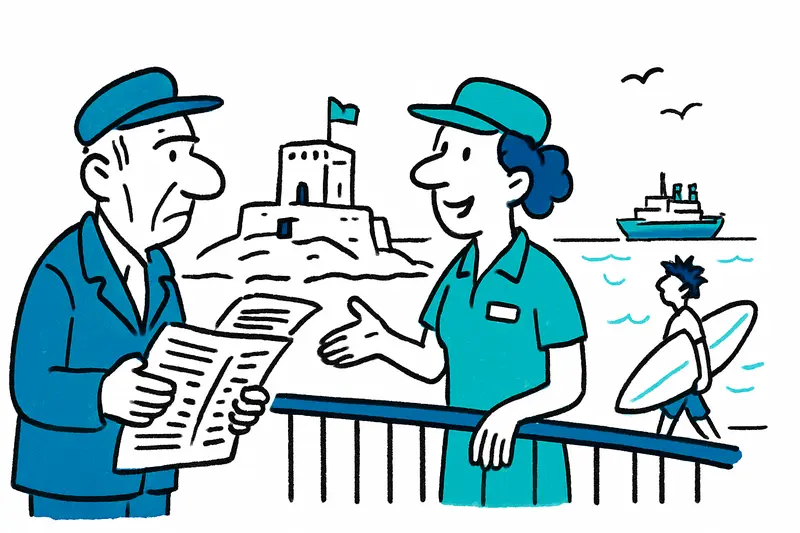
Fort San Carlos: Museum, Harbor Dispute — and a Conflict That Demands Answers
The military museum at Fort San Carlos sits right on Palma's harbor, with unexpectedly quiet rooms filled with cannons a...
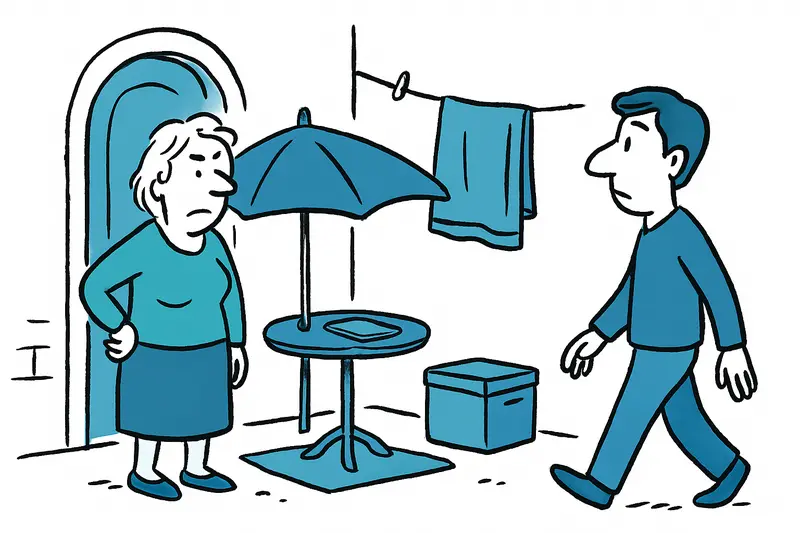
Old Town Under Pressure: When a Doorway Becomes a Sleeping and Shower Place
For months a woman has been living with a parasol, a clothes rack and personal belongings next to the social welfare off...

When Shopping Weighs Heavier: Mallorca Demands a Tax Pause on Food and Fuel
Rising prices are putting pressure on households and agriculture. The Balearic Islands are calling for temporary tax rel...
More to explore
Discover more interesting content

Can Cap de Bou

Townhouse Lleo 72
