
The End of the Cheap Ride? Why Mallorca Is Hit Harder by the Fuel-Price Shock
The End of the Cheap Ride? Why Mallorca Is Hit Harder by the Fuel-Price Shock
Gasoline and diesel average close to two euros per liter. What this means for commuters, supply chains and renters in Mallorca — and what responses are needed before the full bill hits households.
The End of the Cheap Ride? Why Mallorca Is Hit Harder by the Fuel-Price Shock
Key question: How much can the island absorb before higher fuel prices trigger widespread price increases?
A glance at the pump display is enough: on the Balearic Islands the average price for 95-octane petrol is now around €1.997 per liter, diesel at roughly €1.963. At many stations the psychological two-euro threshold has long been crossed. For people who commute daily from Palma to Marratxí, taxi drivers on the Passeig Marítim, or the logistics workers who stock the shelves at Mercat de l'Olivar in the early morning, this is not an abstract economic argument but a real additional burden.
In short: mobility costs are pushing inflation up, as noted in Rising Cost of Living in Mallorca: Who Pays the Price?. On the Balearic Islands overall inflation was 4.3 percent in August; prices for fuels and heating rose by more than 21 percent year on year. The figures show a trend that does not stop at petrol stations. On an island where almost every banana, building material and drawer handle arrives via a transport route, a higher price per liter quickly multiplies along the entire supply chain.
Critical analysis: Where the danger lies concretely
Three points are particularly relevant. First: transport costs are a larger cost item on Mallorca than on the mainland. The combination of island logistics and the tourist high season makes the dependence on fuel prices visible. Second: companies, especially in transport and construction, report that fuel already accounts for a noticeably larger share of their operating costs. If these costs continue to rise, they will be passed on to customers — whether in supermarket prices, craftsmen's hourly rates or holiday-rental fees.
Third: the effect hits unevenly. People with fixed, low incomes and households that depend on a car feel the burden immediately. At the same time, reduced consumption due to more expensive fuel dampens demand, but it does not help in the short term those who rely on mobility to get to work.
What is missing from the public discourse
The debate often revolves around the pure price per liter and state aid — for example short-term measures such as Cheaper Gas Bottles in Mallorca: Short-term Relief — But Is It Enough? — but three things remain underexposed. First: transparency about the price composition at the pump. How much is taxes, how much refinery and transport costs? Second: the question of targeted support measures instead of blanket subsidies. Third: long-term investments in logistics, port infrastructure and local supply chains that could make the island less dependent on price shocks.
An everyday scene from Palma
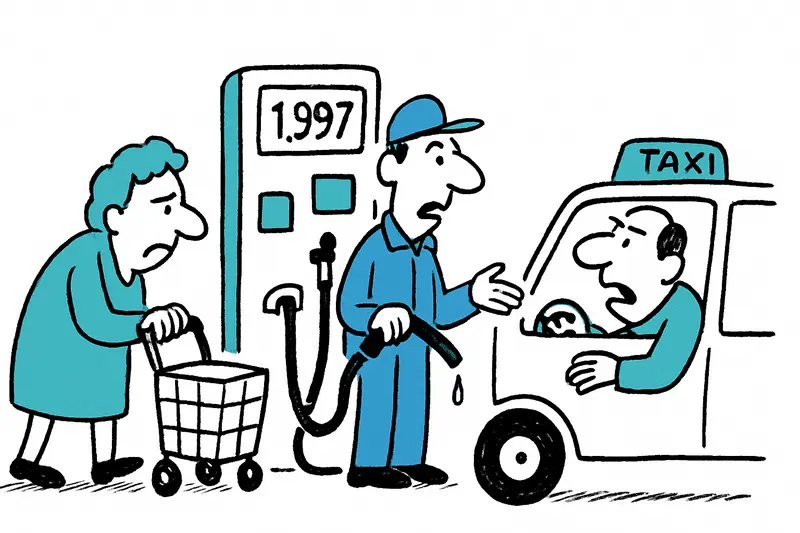
A Wednesday morning in Palma: traffic hums along Avinguda Jaume III, a city bus heads from Plaça d'Espanya to the Paseo Marítimo, vans maneuver in front of a small hardware store in Santa Catalina. In front of the petrol station on Avenida Gabriel Roca a taxi driver quietly argues with the station attendant about prices while an elderly woman pulls her shopping trolley over the curb. Scenes like these show how closely life, work and energy prices are intertwined here.
Concrete approaches — pragmatic and local
Vague calls for the state to “help” do not actually relieve people of their burdens. Instead, four practical measures can provide short-term relief and build long-term resilience:
1. Index public contracts: School bus contracts, regular services and subsidies for taxi and transport services should include automatic adjustment mechanisms tied to realistic fuel indices. This prevents service providers from being driven into the wall and the supply chain from collapsing.
2. Targeted travel subsidies: Not blanket discounts, but subsidies for low-income commuters and small transport operators who can demonstrably exceed a certain threshold of kilometers traveled. This is more social and efficient than broad, costly programs.
3. Strengthen logistics: Investment in port handling, better coordination of truck movements and consolidated transports for tradespeople and retailers can reduce empty runs and lower unit costs.
4. Manage demand and promote alternatives: Promoting carsharing in peripheral areas, expanding bicycle corridors in cities and targeted incentives for electric delivery vehicles in urban centers will reduce dependence on fossil fuel in the medium term; see also Why Rental Cars in Mallorca Have Become Noticeably More Expensive — and What You Should Know.
Why these steps make sense on Mallorca
The island has enough specific characteristics to justify tailored solutions: dense local networks, seasonal fluctuations, a high share of tourist mobility and a construction sector that depends heavily on transport prices. Small, targeted interventions can have a noticeably larger effect here than broad national measures that often treat Mallorca only as a general case.
Punchy conclusion
The current fuel-price shock is not an isolated drop; it is the start of a cascade that can reach from the pump to the rent, as shown by Rent-price shock 2026: How Mallorca is heading toward a social crisis. The island must not wait until consumers bear the main burden. Transparent price components, targeted aid and a pragmatic strengthening of local logistics are needed now. Otherwise it will not be the market that pays in the end — but those who go to work every day and whose wallets are already thin enough.
Frequently asked questions
What’s the typical climate in Mallorca and when is the best time for outdoor activities?
What should I pack for a trip to Mallorca?
Is it safe to swim in Mallorca year-round, and what should I watch for on beaches?
What are good outdoor activities to try in Mallorca?
How do Mallorca's seasons affect what to expect during a visit?
Are Mallorca beaches family-friendly and what facilities should I expect?
What’s the easiest way to get around Mallorca during a stay?
What natural reserves or protected areas should I consider visiting on Mallorca?
Similar News
Relaxed liquid rules in Munich: What Mallorca travelers will notice
At Munich Airport the 100-milliliter rule will be lifted at all checkpoint lanes — thanks to new CT scanners passengers ...
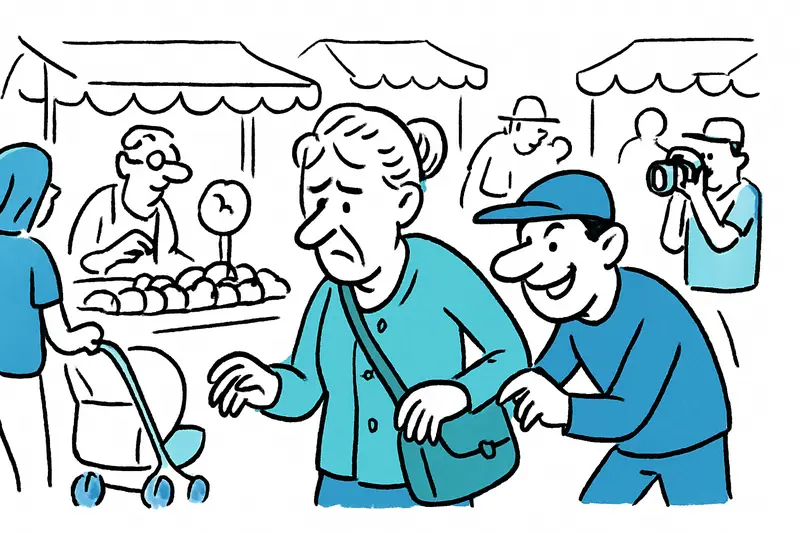
For 45 Years on Mallorca — and Then This: How a Market Visit in Santa Ponsa Became a Lesson
A woman who has lived on the island for decades lost money and important documents at the Mercat Setmanal in Santa Ponsa...
10 percent surcharge on the beach: How legal and transparent is the extra charge at Playa de Muro?
A German part-time resident noticed days after a restaurant visit in Playa de Muro that the bill included a flat ten per...
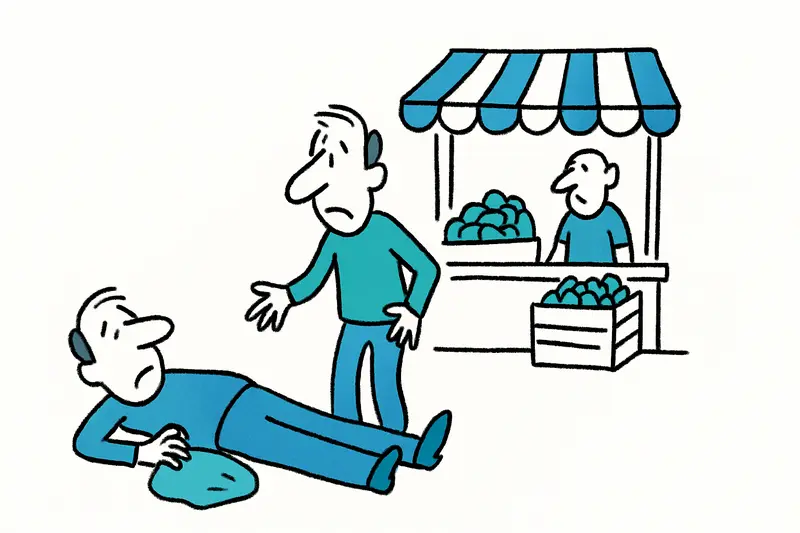
Body near the Llevant Market: What this death says about our city
A man was found dead on Sunday afternoon near the Llevant Market. Police say the death appears natural. The scene raises...
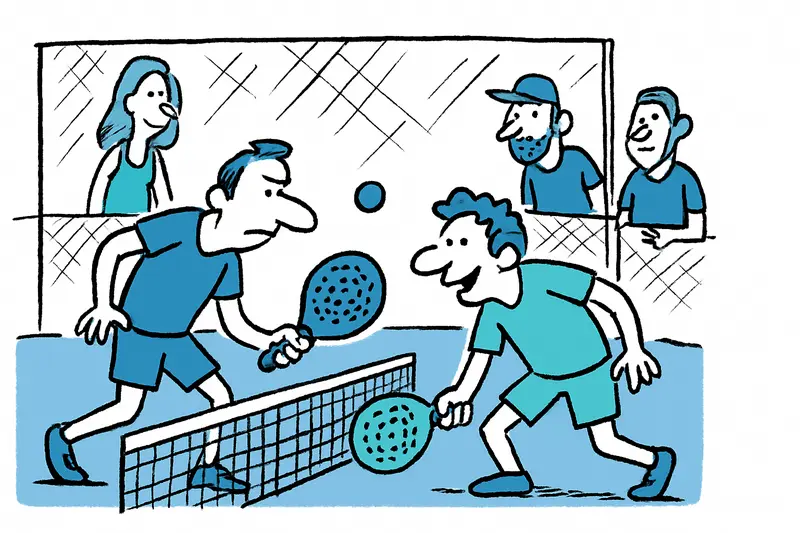
Celebrities, One-Point Drama and a Summer Evening in Santa Ponça: Padel Celebrates in Mallorca
Around 400 players, a radical format — and well-known faces on the courts of the Mallorca Country Club: the One Point Ch...
More to explore
Discover more interesting content

Can Cap de Bou

Townhouse Lleo 72
