
Fuel Prices in Mallorca: How Much Are Diesel & Co. Hitting Your Wallet?
Fuel Prices in Mallorca: How Much Are Diesel & Co. Hitting Your Wallet?
Diesel has become noticeably more expensive: a litre currently costs around €1.68, and an average tank now costs about €84. What is behind this — and what can the island do about it?
Fuel Prices in Mallorca: How Much Are Diesel & Co. Hitting Your Wallet?
One clear question up front: who pays the surcharge when diesel and petrol rise again — tourists or the people who live and work here? This guiding question currently accompanies many conversations at the pump, in the supermarket and in the harbour café, as discussed in Rising Cost of Living in Mallorca: Who Pays the Price?.
What happened?
The key facts are briefly explained: a litre of diesel is currently around €1.68, a year ago it was about €1.53 per litre. For an average car this means that a tank that used to cost roughly €77 has risen to about €84 — roughly €7.30 more. Super petrol has also become more expensive: Super 95 is trading at about €1.66/l (twelve months ago: ~€1.60/l); a full tank now costs approximately €83.50 instead of €80.
Short-term drivers — and why the Strait of Hormuz matters more often
On a global level, geopolitical tensions weigh on crude oil prices. The Strait of Hormuz is an important artery for maritime trade in energy products; uncertainties there push prices up. Added to this are fluctuations on international markets and exchange rate effects. In Mallorca seasonal demand (tourism, rental car fleets) and local logistics costs add up — fuel does not get cheaper here because everything arrives by truck.
What is missing from the public debate?
Often only the price per litre is discussed. Almost never, however, is the distribution of the burden considered: who benefits in the short term from low prices (large fleet operators, discounters) and who is left to bear the costs (commuters, small craft businesses, farmers)? There is also a lack of transparency about how much tax share, refinery costs and margins add up at the pump. And hardly anyone speaks openly about the social consequences of a prolonged price increase: more expensive supply chains, higher living costs and pressure on wages and prices in hospitality and construction.
A moment on Mallorca
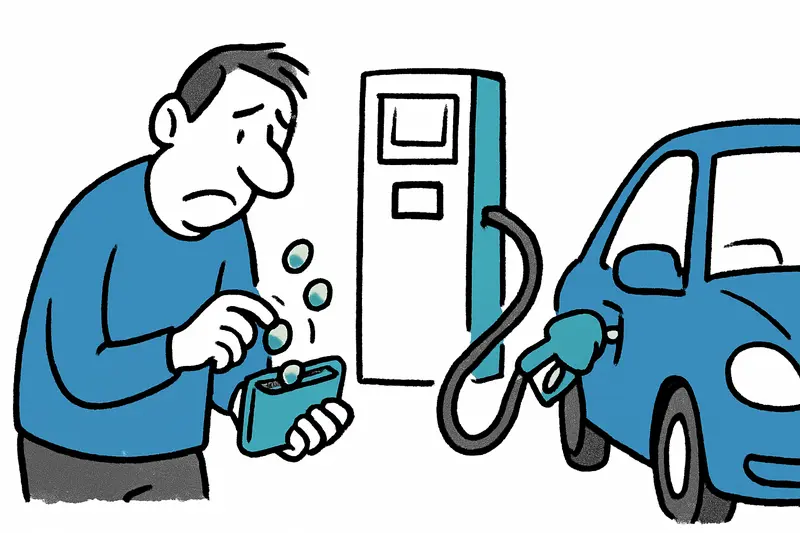
Seven in the morning at the pump near Plaza de España: a small van loaded with toolboxes rattles up, the driver glances at the display, sighs and counts the coins. On the promenade a bus driver whistles through the open door, a few tourists with suitcases are looking for the rental car. Scenes like these show how closely the island's everyday life is tied to the fuel price — not only during the tourist season.
Concrete approaches — short-, medium- and long-term
In the short term regional authorities could activate the mechanisms provided for in the law: an automatic increase in tax relief would be possible if certain price indicators exceed a threshold. Practically speaking, this means that a reinstatement of price relief to about €0.20 per litre can be triggered if the consumer price index for fuels reaches the legally specified threshold.
At the municipal level quick measures can be implemented: transparent price displays at all petrol stations, targeted park-&-ride offers and discounted bus tickets for commuters in particularly affected zones (e.g. Palma–Inca–Manacor routes). For taxi and delivery services temporary fuel subsidies or incentives to convert to CNG/electric are conceivable.
In the medium term Mallorca needs more charging infrastructure and targeted support for electric vehicles and light commercial vehicles. Subsidies should preferably be targeted — for example at small business owners and taxi companies — not general flat discounts that would mainly be used by larger fleet operators.
What can consumers do immediately?
Practical tips are simple: compare prices (there are apps and local websites for this), stations on the city outskirts are often cheaper than at the airport (see Cheap refueling in Son Bugadelles: €1.408 per liter — what neighbors should know now), organise car pools, check tyre pressure and remove unnecessary loads from the car. For tourists: check fuel consumption for rental cars in advance (see Why Rental Cars in Mallorca Have Become Noticeably More Expensive — and What You Should Know) and include fuel costs in the holiday budget.
Bottom line
Rising fuel prices are not a purely local phenomenon, but they hit Mallorca particularly hard because of its island location and heavy traffic. Responsibility lies equally with national fiscal policy, regional transport planning and businesses. It is not enough to point to geopolitical uncertainties and wait. Those who act now — through targeted relief for the most vulnerable, better public transport options and accelerated expansion of charging infrastructure — can prevent the price shock from turning into a permanent structural break for small businesses and households.
Frequently asked questions
What are current fuel prices like in Mallorca for diesel and petrol?
Where in Mallorca are petrol prices usually cheaper?
What short-term relief options exist for Mallorca fuel costs?
What practical tips can tourists use to manage fuel costs in Mallorca?
How do fuel prices affect daily life in Mallorca?
Why are fuel prices rising globally and what does that mean for Mallorca?
What role do rental cars and tourism fleets play in Mallorca's fuel market?
What long-term steps could Mallorca take to reduce dependence on fuel?
Similar News
Cafetería San Siro: A Meeting Place on Schinken Street Since 1966
In the middle of Schinken Street, Cafetería San Siro has been offering Mallorcan hospitality for more than six decades —...

From Ballermann to Prison: What the Verdict Against the Femina Operator Means for Palma
The Munich Regional Court convicted a German operator for subsidy fraud. What does the verdict mean for the Femina Club,...
Underpass Verge de Lluc: 19-year-old fights her way out of flooded car – a warning sign for Palma
A 19-year-old recently escaped swimming from her car after the Verge de Lluc underpass held up to one and a half meters ...

When the Floodgates Open Again: Why Palma's Floods Aren't a Coincidence
A sudden heavy downpour around 5 p.m. brought Palma to a standstill: flooded streets, full basements, panicked commuters...
Playa de Palma: Life-saving at Balneario 11 – Lifeguards Act Quickly
A German holidaymaker suffered cardiac arrest at Playa de Palma. Lifeguards resuscitated her on the beach; emergency ser...
More to explore
Discover more interesting content

Can Cap de Bou

Townhouse Lleo 72
