
Arrest in Binissalem: German on trial for subscription fraud with porn website
National Police arrest a 44-year-old German in Binissalem. Allegation: years-long fraud via an adult platform; extradition to Germany planned.
Arrest in Binissalem: An alleged internet fraudster is presented to authorities
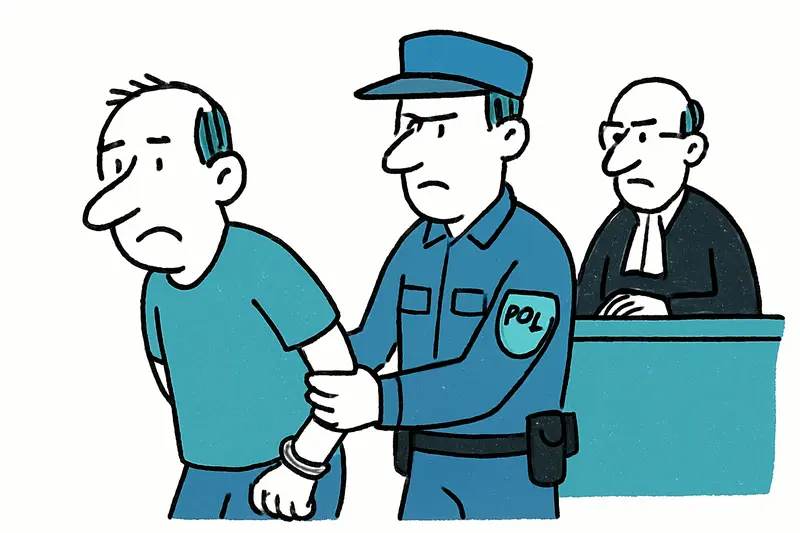
Yesterday morning there was more police presence in Binissalem than on a usual market day: officers of the National Police escorted a 44-year-old German who, according to judicial sources, is accused of a large-scale fraud via a porn website. The man had been sought under a European arrest warrant and was handed over to the authorities in Mallorca. Investigators state the period of the alleged offences as 2016 to 2021; victims are said to be affected worldwide, with the number of those harmed estimated at more than one million. After being presented before the court in Inca, an extradition to Germany is pending, a process similar to the trial in Essen of four Germans over an alleged Mallorca case.
Key question
How could an allegedly internationally organised payment fraud run for years before arrest warrants took effect, and what lessons should the island draw from it?
Critical analysis
The facts are sparse but uncomfortable: a business offering digital access that began as 'free' and promised additional paid services without actually unlocking them is no longer an isolated case in today's online world. Investigations show how borders and jurisdictions complicate law enforcement. Payment providers, hosting providers, domain registrars and international policing agencies must cooperate. Recent arrests, such as a German arrested in Palma over alleged COVID-19 subsidy fraud, show how financial channels cross jurisdictions. In many cases the trail runs through several countries: payments flow via different payment services, servers are located elsewhere, and operators use legal constructions to conceal responsibility. That leads to delays before arrest and extradition requests take effect.
What is often missing in the public debate
Usually only the arrest and the number of victims are mentioned. Less often discussed are the mechanics of the deception, the business model behind 'freemium' bait offers, or the role of payment partners that allow dubious transactions. Cases such as the Palma extortion gang case illustrate the consequences for victims. It is also rarely debated how victims can be effectively compensated after harm when funds passed through multiple intermediaries and countries. And on the island there is often a lack of focus on prevention: how can local users be better informed about which access promises online are warning signs?
A commonplace scene from Mallorca
Anyone strolling along the Carrer Major in Binissalem on that cool January morning felt the town's routine: the smell of freshly baked pa amb oli, the clatter of cups in the corner café, the daily exchange about neighbours and football. For most people here, digital fraud cases remain abstract—until a police operation suddenly brings life to the small street. Then it becomes clear: the island is part of a global network where digital crimes have direct local consequences.
Concrete solutions
1) Better consumer information: authorities and the local community should launch information campaigns together—simple checklists explaining how to recognise dubious subscription models (unclear terms, missing imprint details, hard-to-retrace payment channels).
2) Strengthen cooperation among financial service providers: banks and payment companies must report unusual patterns faster. Many account holders on Mallorca are foreign; targeted warnings here can help stop suspicious activity sooner.
3) Support services for victims: a central reporting portal on the Balearic websites, linked with initial legal advice, would give affected people a first option for action and enable authorities to recognise patterns.
4) Speed up international investigative channels: faster extradition and cooperation mechanisms between the states involved would prevent alleged perpetrators from delaying access for months.
Pithy conclusion
The arrest in Binissalem is not an isolated aha moment, but a reminder: digital crime reaches us here just as it does at any major server location. Whoever sits on a café terrace and unlocks their phone is part of a global system—therefore it is not enough to rely only on police work. Practical prevention, improved financial controls and better help for victims are necessary if we do not want the next report to again enliven the square and cause the cups to clatter.
Frequently asked questions
What happened in Binissalem with the German man arrested by police?
How can online subscription scams work for so long before police step in?
What should Mallorca residents watch out for with online subscription offers?
What can victims of online fraud in Mallorca do first?
Why do payment providers matter in cases of online fraud?
What happens after an arrest in Mallorca if extradition is pending?
Is Binissalem usually a quiet town in Mallorca?
How can Mallorca help prevent online fraud locally?
Similar News

Stolen Motorcycle in Palma: Fatal Crash in Coll d'en Rabassa Shortly After Theft
A motorcycle parked on Plaza Miquel Dolç in Son Gotleu was reportedly stolen in the early hours. Hours later two men cra...
When More Guests Mean Less: Mallorca's Restaurants at the Limit
Despite record visitor numbers, the revenues of many restaurants are shrinking. Why more visitors don't automatically me...

Ballermann 2026: Heat, crowded promenade and rising prices – how much longer?
Bright sunshine, over 35 degrees in the shade and busy venues at Playa de Palma: Tourists enjoy the parties, restaurateu...

Stolen motorcycle, high-speed escape, deadly crash: An accident in Palma that raises questions
A motorcycle stolen in Son Gotleu ended up hours later on the Cardenal-Rossell in Coll d'en Rabassa in a deadly collisio...

Found dead in Son Gotleu: Dog walk ends fatally — what is missing in the investigation?
A 68-year-old man was found dead on Sunday morning on Tomás Rullàn street in Son Gotleu. According to his partner, he ha...
More to explore
Discover more interesting content

Boat Tour with BBQ along Es Trenc Beach

Private transfer from Mallorca Airport (PMI) to Pollensa
