
When Germans' wallets tighten: Palma feels the effect
When Germans' wallets tighten: Palma feels the effect
Germany's visitors continue to travel to Mallorca — they just spend less. We ask: How strongly does this hit the streets of Palma, and what helps local businesses?
When Germans' wallets tighten: Palma feels the effect
Key question: Why do visitor numbers remain stable while revenues do not?
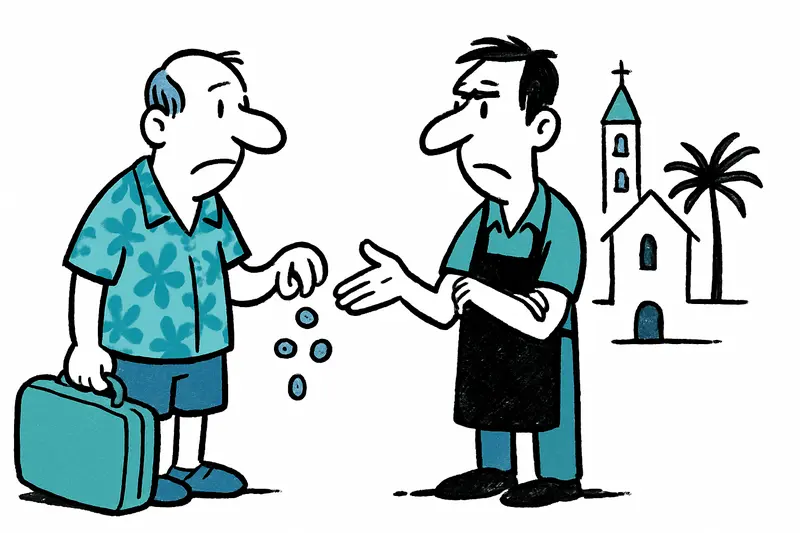
At the Plaça Major the tables are set closer together. Waiters balance trays, but at many tables desserts remain unordered. In the old town, between Carrer de Sant Miquel and Passeig del Born, you hear the same story: German holidaymakers still come, but they pay more cautiously. This trend aligns with reports of Balearic Islands on the Rise – More Visitors, Fewer Germans. You can feel it at the tills of small bars, in the jewellery shops on Calle de Sant Feliu and in the tourist boutiques near the harbour.
In short: visitor numbers remain comparatively stable, but spending per capita is falling. The reasons are multifactorial. On the demand side, a weaker economic situation in Germany, general price uncertainty and concerns about geopolitical crises play a role. On the supply side, higher hotel and flight prices as well as wage increases in the hospitality sector reduce the willingness to be generous on holiday.
A sober assessment: less money per person does not immediately mean fewer tourists for Palma, but it does change behaviour. Instead of a three-course meal at a restaurant there are tapas and shared plates. Instead of new beachwear, an extra bottle of water. For businesses with thin margins, however, these are tangible losses.
Critical analysis: Who really loses — and why?
The hardest hit are the sectors that rely on impulse purchases: small eateries, independent boutiques, souvenir shops and attractions with entrance fees. Business models based on many small transactions suffer faster than large hotel chains or experience providers with fixed bookings. Added to this: many service providers feel knock-on effects, as documented in Austerity Winter 2025: Mallorca's Service Providers Cut Opening Hours – How Long Can They Hold Out?. Lower restaurant revenues lead to smaller tips — that hits the local purchasing power of employees, who then spend less themselves.
Structural problems also play a role: seasonality, high fixed costs (rents in popular locations like the Passeig Marítim), a tight labour market for service staff, and rising energy and food prices. Those who cannot pass these costs on to guests cut staff, reduce offerings or increase hidden fees — which in turn deters visitors.
What is missing from the public debate
There is a lot of talk about arrivals and bed capacity, but hardly any about the real purchasing power of visitors. Also underexposed is the difference between pure tourist numbers and economic value added locally. Rarely discussed are the burdens on seasonal workers, the consequences of falling ancillary revenues for craft businesses and the role of short-term rentals in displacing affordable providers. The importance of direct spending by residents and long-stay guests is also often overlooked.
Everyday scene from Palma
In the early evening on the Paseo Marítimo: a bus with American plates stops, the group gets off, takes photos, then eats in a well-frequented restaurant. Next to them sits an older Mallorcan family that uses the same restaurant as a weekend ritual. The mix keeps the balance — but on days with lower German spending the atmosphere is noticeably tenser. Staff exchange glances, count tables in their heads and rethink shifts for the coming week.
Concrete solutions
1) Product strategy: Restaurants and shops can offer smaller, value-oriented products and menus (lunch packages, sharing platters, local tasting portions). This helps keep the average bill stable. 2) Extending the season: More intensive promotion of the shoulder season in Northern and Eastern Europe and targeted offers for long-haul travellers (long stays, working-travel packages). 3) Cooperation: Bundle offers between hotels, restaurants and experience providers create added value and concentrate spending in one place. 4) Transparent pricing: Instead of hidden fees, more visible combo prices; this reduces frustration and builds trust. 5) Support for small operators: Short-term tax relief for affected months, advisory services on digital payment methods and booking tools, and help with purchasing pools to reduce procurement costs. 6) Communication: An honest, locally coloured campaign that sells not only sun and beach but also culinary and cultural experiences for price-conscious guests. For an in-depth look at how rising costs and thrifty tourists are forcing the industry to rethink, see Empty Tables, Tight Wallets: Mallorca's Gastronomy at a Crossroads.
Why this is not only negative
A more cautious spending style forces reflection: much of what is seen as a problem today offers opportunities for quality instead of quantity. Small restaurants that rely on local products and offer sensible portion sizes can build loyalty. Weekly markets and village festivals that bring residents and visitors together distribute income more broadly in the island's economy.
Conclusion: The fact that German holidaymakers spend less is not an isolated phenomenon, but the result of economic and geopolitical circumstances plus local supply and cost structures. Palma now needs not only support but smart adaptations: more flexible products, stronger cooperation between businesses and honest communication towards guests. Those who stop chasing quick turnovers and focus on long-term value creation can make the island more resilient — and restore a more relaxed sound to the Plaça Major in the evenings.
Frequently asked questions
What is the weather usually like in Mallorca in spring?
Is Mallorca warm enough for swimming outside the summer months?
When is the best time to visit Mallorca for outdoor activities?
What should I pack for a trip to Mallorca in the shoulder season?
Is Palma de Mallorca good for a short city break?
What is Sóller like for visitors who want a quieter Mallorca trip?
Are the beaches in Mallorca still pleasant in early autumn?
What kind of clothes do people usually wear in Mallorca during mild weather?
Similar News

When the Wallet Becomes a Danger: Attack in Peguera and Lessons for Mallorca
In Peguera, two women are said to have stolen the wallet from a 75-year-old German couple. When the victim intervened, t...
Plata stays Plata: Young people take over, Llonguets remain
A small bar on Carrer de l'Argenteria will continue: Tolo Serra hands the place over to young Mallorcans at the end of t...

Unnoticed in the Luggage Compartment: How a Boy Traveled More Than 100 Kilometers in a Team Bus
A minor traveled in the undercarriage of a team bus for more than 100 kilometers until his cries for help were heard. A ...

Cap Vermell Grand: Second Michelin Key – a Gift for the East
The Cap Vermell Grand in Capdepera has been awarded its second Michelin key. For the region this elevates the luxury off...
Eurowings lets four aircraft carry names – a friendly idea that also reaches Mallorca
Eurowings is launching a campaign: four Airbus A320s are to carry the first names of people who help others in everyday ...
More to explore
Discover more interesting content

Can Cap de Bou

Townhouse Lleo 72
