
Giant wave in Galicia: What the death of an 85-year-old means for Mallorca
Giant wave in Galicia: What the death of an 85-year-old means for Mallorca
An 85-year-old German cruise passenger was swept into the sea by a large wave in Baiona. What safety gaps does the accident reveal, including for Mallorca?
Giant wave in Galicia: What the death of an 85-year-old means for Mallorca
A cruise excursionist dies in Baiona — and we ask: Are our beaches really prepared?
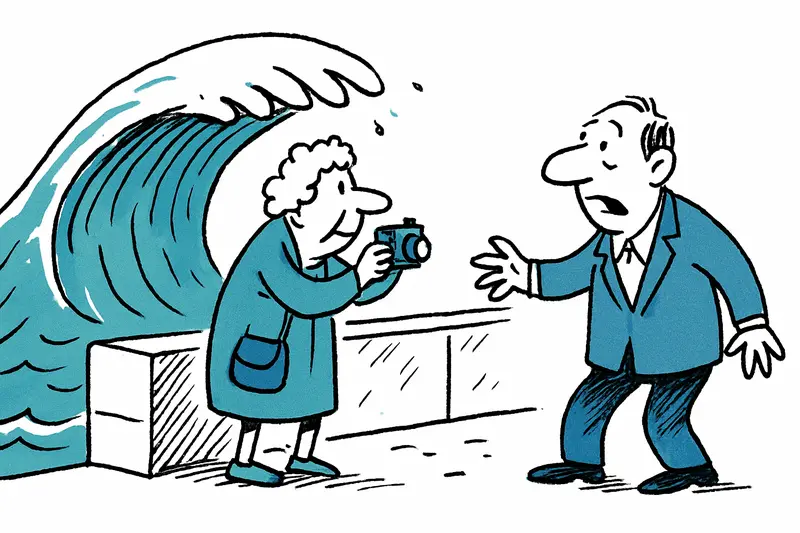
On a late autumn day, an 85-year-old German cruise passenger at a beach near Baiona was struck by a larger wave and later recovered dead. Emergency center 112 Galicia confirmed the death on the platform X. Eyewitness footage shows how the woman apparently wanted to take a photo, was then unbalanced by the force of the sea and pulled into the ocean. Authorities had warned of stormy weather.
Clear guiding question: What needs to change so that such tragedies become less frequent — not only on Galicia's coast, but also here in Mallorca?
The images hit us on the island as well, and echo other regional incidents covered in When the Surf Strikes: Deaths in Tenerife – What Mallorca Must Learn. On the Paseo Marítimo in Palma you hear the same warnings on stormy days: wind, high swell, take care on the quay walls. Yet you see excursionists, retirees with cameras, groups of cruise guests stopping for a souvenir photo. That there was a video in Baiona makes the situation unsettlingly familiar. Sensational footage often directs public debate to the single incident — instead of the structural issues.
Critical analysis: Several problem areas converge here. First: information chains are not always clear. A 112 message helps, but how quickly do warnings reach people who are just going ashore? Second: responsibilities are diffuse. Who ensures that excursion sites are closed in bad weather — the cruise line, the local tour operator, the harbour master or the municipality? Third: seasonal safety capacities. In autumn and winter many beaches lack lifeguards, and rescue resources may be farther from some locations. Similar tragic rescues have been reported, for example Fatal Rescue Attempt in Son Bauló: What Must Change on Our Beaches.
What is missing from the public discourse: pragmatic solutions and concrete figures. We discuss a single fate, but rarely how often similar incidents occur in the region and which beaches are particularly vulnerable. This is similar to other cases on the island, such as Mourning in Port de Sóller: 87-year-old dies while swimming. Also scarcely discussed is how well older travellers are informed. A cruise group with elderly guests needs different guidance than a young surfer.
A small everyday scene from Palma: in front of the café at Plaça de les Columnes a handful of taxi drivers discuss the storm warnings. An older couple, due to depart on a cruise in a few days, asks whether “one is still allowed ashore.” Such conversations reflect a real information deficit: many travellers rely on ship staff — and expect shore excursions to be organised safely.
Concrete measures that could take effect quickly: First, mandatory warnings at berths. When AEMET or local authorities issue storm warnings, mooring posts, harbour areas and tender boats should display clear, multilingual notices and make announcements. Second, standardised risk assessments for excursions: guides and cruise companies should check before each landing whether beaches are exposed and offer alternative, safe destinations. Third, temporary closures and visible barriers at vulnerable coves — especially on weekends and during warning levels. Fourth, better training for local service providers: hoteliers, bus drivers and guides should know simple checks (distance to the water, locations of the nearest rescue equipment, how to act in rip currents). Fifth, a public register of coastal incidents to make danger hotspots transparent and to measure prevention efforts.
Practical aids: apps with real-time ground data and wave forecasts integrated into port and cruise apps; simple pictograms on beaches; and a short, mandatory safety briefing for excursionists with mobility limitations or advanced age before they go ashore.
Conclusion: The video from Baiona is a bitter wake-up call. It reminds us that wind and waves are unpredictable, and that technical warnings alone do not eliminate risk. In Mallorca we see the same patterns: people underestimating the sea; communication gaps; and seasonal fluctuations in rescue logistics. If we want to learn real lessons, authorities, ports and the tourism industry should sit down now and create clear, practicable rules — before the next cup of coffee on the pier becomes the last memory.
Frequently asked questions
Are Mallorca beaches safe during stormy weather?
What should cruise passengers in Mallorca know before going ashore in bad weather?
Why are older people more at risk near the sea in Mallorca?
What warnings should travellers in Mallorca pay attention to before visiting the coast?
Is the Paseo Marítimo in Palma dangerous during high waves?
Are Mallorca beaches less supervised in autumn and winter?
How are storm warnings communicated to visitors in Mallorca?
What should you do if a sudden wave surprises you in Mallorca?
Similar News
Released with Conditions: The Plus Ultra Suspicion and a Mallorcan Finca as Residence
A Dutch entrepreneur, sought in connection with the Plus Ultra case, was extradited to Spain after his arrest in Germany...

Haute Nuit in Puerto Portals: Fashion, Art and Indulgence by the Water
On October 2 the Lobster Club in Puerto Portals will be transformed into a stage for curated fashion, art and culinary e...
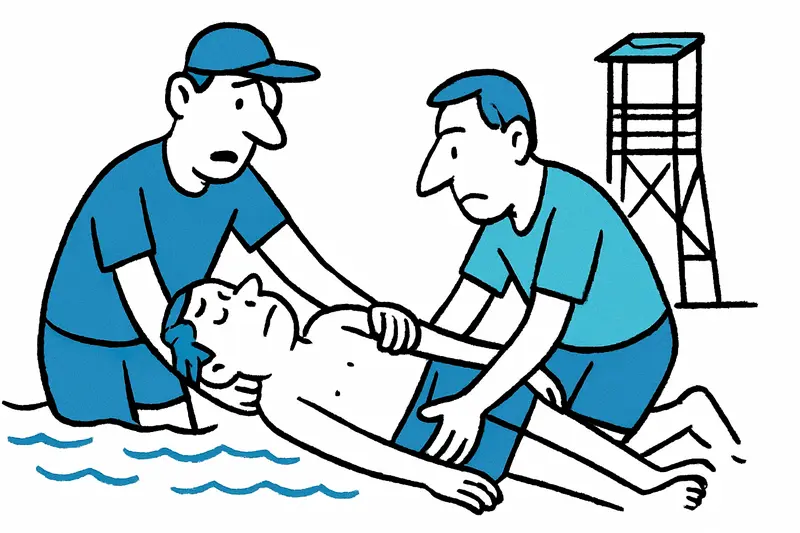
Magaluf: Watchtower Alarm – Lifeguards Pull Unconscious Beachgoer from the Water
After a drama in the late afternoon, two lifeguards at Magaluf beach rescued an unconscious 44-year-old man. He was stab...
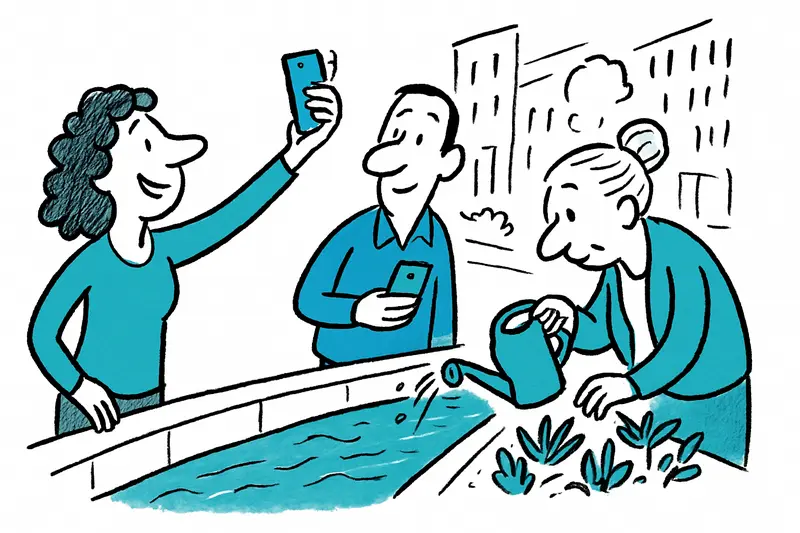
Turquoise in the City: How dangerous is the color play of the Sa Riera?
The Sa Riera in Palma suddenly turned turquoise — a pretty motif, but behind the effect lies a discharge of saline waste...

Jeckliner at Sunnesching: Cologne spirit sets sail from Palma
In September 2027 the Mein Schiff 2 briefly becomes a floating carnival stage: four days with Cologne bands, comedy and ...
More to explore
Discover more interesting content

Can Cap de Bou

Townhouse Lleo 72
