
Hashish Lab in Marratxí: How Permeable Is the Line to Neighborhood Crime?
Hashish Lab in Marratxí: How Permeable Is the Line to Neighborhood Crime?
In Marratxí the Guardia Civil discovered a hashish lab: 50 kilos of dried flowers, several indoor grow sites, and tampered power supply. How could this happen and what is missing from the public debate? A reality check with concrete solutions.
Hashish Lab in Marratxí: How Permeable Is the Line to Neighborhood Crime?
Reality check after the arrest of a 46-year-old
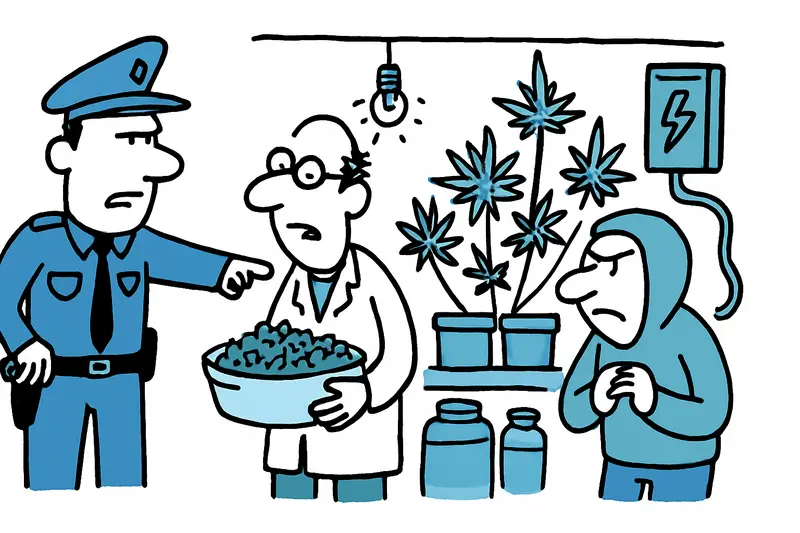
On February 10, Guardia Civil officers searched a house in Marratxí and found several indoor grow sites, around 50 kilograms of dried marijuana buds, approximately 260 grams of hashish and €6,400 in cash. A 46-year-old man was arrested. Neighbors had previously complained about a strong smell of marijuana (a problem also highlighted by a hashish package discovered in Palma); investigators also classified the electricity meter as tampered with.
Main question: How could such a large production network operate in the middle of a residential area without faster intervention?
The obvious facts — odor nuisance, electricity theft, large quantities of plant material — point to a business model that is not only criminal but also poses neighborhood risks. Indoor grow sites mean heat, increased electricity consumption, loud ventilation equipment and fire hazard. That residents noticed the smell suggests the problem was not invisible. Still, the situation apparently persisted long enough for the Guardia Civil to step in.
Critical analysis: Authorities, utility providers and the neighborhood seem to have gaps in the response chain. When electricity meters are tampered with, that should be a warning signal for utilities. Why did that not trigger inspections more quickly? Reports from neighbors to the police or municipality can be hampered by bureaucratic hurdles, uncertainty or fear of reprisals. Added to this is the fact that the line between personal use and organized cultivation is often hard to see from the outside — especially in terraced houses or apartment buildings with basements and storage spaces, as shown in an arrest in Colonia de Sant Jordi where plants were found in a vehicle.
What is missing from the public debate: The discussion usually focuses on perpetrators and arrests, not on prevention and protecting residents. Topics such as energy monitoring, fire safety inspections in residential areas, tenant responsibilities and the role of property owners are mentioned too rarely. Also barely visible is the psychological barrier that keeps neighbors from reporting out of fear of intimidation or retaliation.
From everyday life on Mallorca: Early in the morning in Marratxí you hear delivery vans, roosters and neighbors grabbing the newspaper from the doorframe. Not a typical place for industrial drug production, one might think. But precisely this discrepancy makes it difficult — a quiet fan in a side street does not immediately stand out. When it smells, windows are opened, coffee is enjoyed on the balcony — and only gradually do people begin to think about the right steps to take.
Concrete approaches to solutions: First: strengthen fast local reporting systems. An anonymous app or a municipal hotline that accepts reports without long forms could lower the threshold. Second: expand cooperation between utilities and the municipality. Unusual consumption and tampered meters should trigger automated inspections. Third: clarify owner and landlord obligations. Those who rent out spaces must regularly check how they are being used, without unduly invading privacy. Fourth: push for fire safety and electrical inspections in older residential buildings — many installations are not designed for professional cultivation and increase the risk for all residents (see the Moscari fire case). Fifth: community building. Training in municipalities on how to observe and report safely and without escalation strengthens trust.
A practical step for Marratxí would be a municipal information leaflet distributed to all households: typical signs of indoor cultivation, how to report objectively, and which authorities are responsible. At the same time, the municipality and utility provider could carry out spot checks at sensitive points without long waiting times.
Pointed conclusion: Arrests are important but fall short if the system around them remains vulnerable. The discovery of a hashish lab in a neighborhood is not a singular crime but a symptom: the intersection of organized crime, failing prevention and a silent neighborhood. If Marratxí and other municipalities want to take the problem seriously, they need less alarmism and more practical prevention — fast reporting systems, stronger cooperation and a culture that protects neighbors instead of isolating them.
Frequently asked questions
What are the signs of an indoor cannabis grow in a residential area of Mallorca?
Can a smell of marijuana in a Mallorca neighborhood be a sign of something more serious?
What should residents in Mallorca do if they suspect drug activity next door?
Why are indoor cannabis grows in Mallorca considered a fire risk?
What did police find in the Marratxí cannabis case?
Why can illegal drug production go unnoticed in places like Marratxí?
What role does tampered electricity use play in detecting cannabis grows in Mallorca?
Is it safe to report suspected drug activity anonymously in Mallorca?
Similar News
Stolen Motorcycle in Palma: Fatal Crash in Coll d'en Rabassa Shortly After Theft
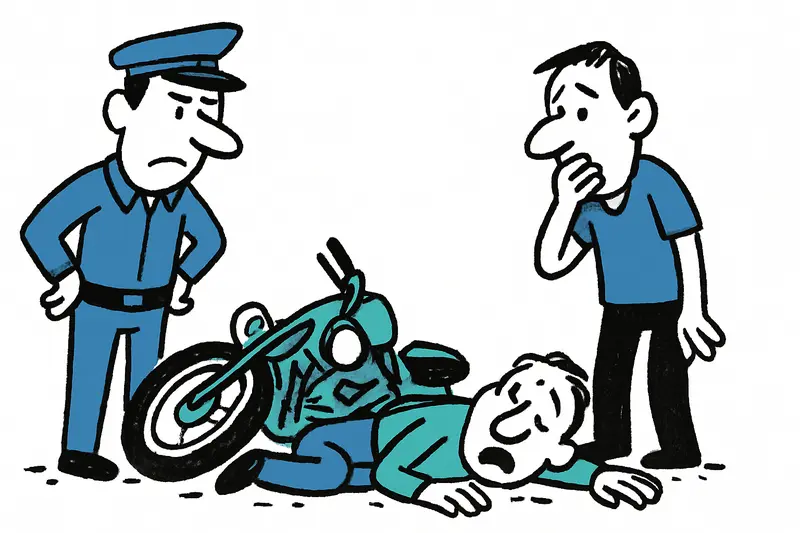
A motorcycle parked on Plaza Miquel Dolç in Son Gotleu was reportedly stolen in the early hours. Hours later two men cra...

When More Guests Mean Less: Mallorca's Restaurants at the Limit
Despite record visitor numbers, the revenues of many restaurants are shrinking. Why more visitors don't automatically me...

Ballermann 2026: Heat, crowded promenade and rising prices – how much longer?
Bright sunshine, over 35 degrees in the shade and busy venues at Playa de Palma: Tourists enjoy the parties, restaurateu...
Stolen motorcycle, high-speed escape, deadly crash: An accident in Palma that raises questions
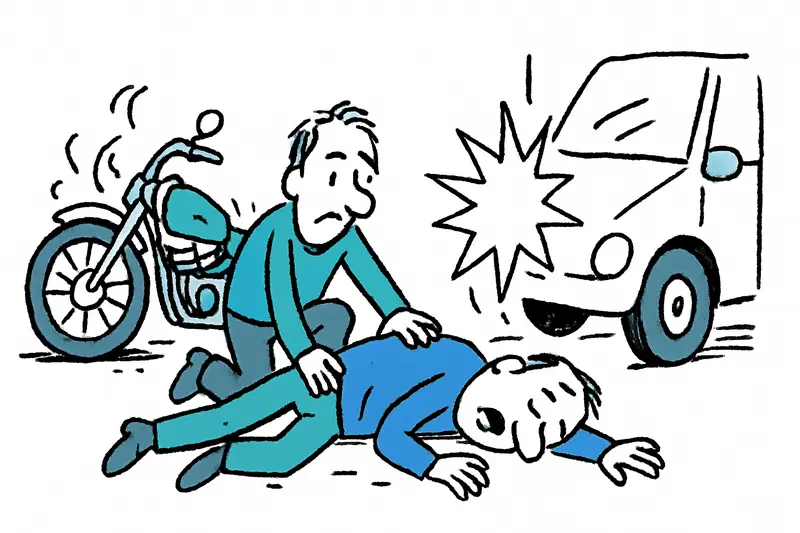
A motorcycle stolen in Son Gotleu ended up hours later on the Cardenal-Rossell in Coll d'en Rabassa in a deadly collisio...
Found dead in Son Gotleu: Dog walk ends fatally — what is missing in the investigation?
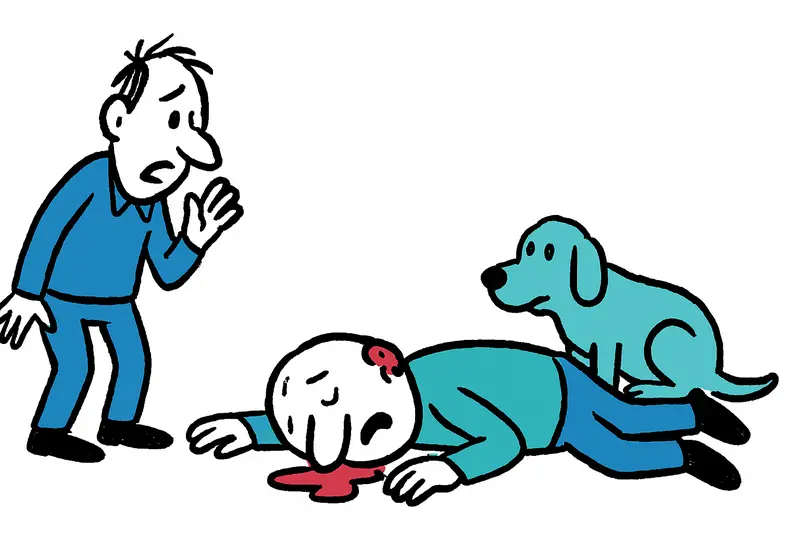
A 68-year-old man was found dead on Sunday morning on Tomás Rullàn street in Son Gotleu. According to his partner, he ha...
More to explore
Discover more interesting content

Boat Tour with BBQ along Es Trenc Beach

Private transfer from Mallorca Airport (PMI) to Pollensa
