

Horeca in Palma: When the island's cuisine moves into the Velodrome
Horeca in Palma: When the island's cuisine moves into the Velodrome
The Horeca trade fair opens today at Palma's Velòdrom. For three days chefs, suppliers and producers meet — a small spring for Mallorca's gastronomy.
Horeca in Palma: When the island's cuisine moves into the Velodrome
Anyone passing the Velòdrom in Palma this morning first hears the usual sounds: delivery vans beeping in reverse, bicycle bells, and the smell of coffee wafting from the snack stands. Except that between the pallets there are chef jackets and knives now, instead of beach towels. The Horeca trade fair is starting, and the island breathes gastronomy.
The event runs until Wednesday and is intended exclusively for industry professionals. The site hosts workshops, talks, competitions and showcookings — everything you would expect from a working fair for chefs and restaurateurs. According to the organizers, around 16,000 trade visitors, about 150 exhibitors and nearly 500 brands are expected. In this season that gives suppliers and small producers a noticeable boost.
The main stage is taken by the Consell de Mallorca: showcookings and cooking competitions are held here to introduce the public to new techniques and products. It's not just about big names, but about mills, cheese makers and oils from the valleys that normally attract less attention on the shelves, a theme explored in Mallorca's Restaurants: Too Much Sameness, Too Little Courage — How the Island Rediscovers Its Flavor. It's practical: anyone wanting to try something different in their hotel's or restaurant's kitchen will find inspiration and direct contacts here.
A fixed programme item is the appearance of Kike Erazo from the restaurant Morralla. The chef is no stranger on the island; his tapas awards at competitions like TaPalma have earned him a local following. Such presence helps trends quickly make their way into restaurants — and ultimately onto the plates of residents and visitors, a shift discussed alongside rising menu costs in When Dinner Becomes a Luxury: How Mallorca's Pricing Estranges Its Restaurant Scene.
The fair has several side effects for Mallorca. First: networks form in the low season, when head chefs have more time than in midsummer. Second: local producers can show what they can do in a compact setting — often niche products with character that shape a region's flavour. Third: training and exchange improve quality in small businesses that have little capacity for seminars. These effects matter because many venues face low occupancy outside peak season, as reported in Empty Tables, Tight Wallets: Mallorca's Gastronomy at a Crossroads.
Standing at the edge of the Velòdrom you don't just see little cards with exhibitor logos, but also people taking a moment: a hotel head waiter tasting an olive oil, a caterer looking for new desserts, a young chef taking curious notes. Such scenes show that a fair is more than business: it's a place where island culture is passed on.
Practically speaking: for businesses it's worth arranging appointments in advance — many booths offer in-depth consultations or tastings only at certain times. For those not coming on business, there are occasionally public programme items like showcookings; a quick look can be enough to inspire a new menu.
So Horeca is not a noisy consumer market but a workshop: tools, ingredients and minds come together. When on Wednesday the last knives are put back in their cases and the coffee aromas fade, concrete projects often remain — new supply chains, a changed dish on the menu, a newly discovered cheese. And for Mallorca that means: a little more variety on the plate and in the drawers of professional kitchens.
Outlook
If you're wondering whether such a fair is worthwhile: yes, if you bring more than business cards. A small sample, a clear question for the producer and the willingness to try something often suffice. For the island, Horeca is an occasion to fling open kitchen windows and find the next flavour.
Frequently asked questions
What is Horeca in Palma?
Can the public visit Horeca at the Velòdrom in Palma?
Why is Horeca important for Mallorca’s restaurants and producers?
What can chefs and restaurateurs do at Horeca in Palma?
Who is Kike Erazo and why is he at Horeca in Palma?
What kind of local products are highlighted at Horeca Mallorca?
When is the best time to arrange meetings at Horeca in Palma?
What does Horeca mean for Mallorca’s food culture beyond the fair?
Similar News
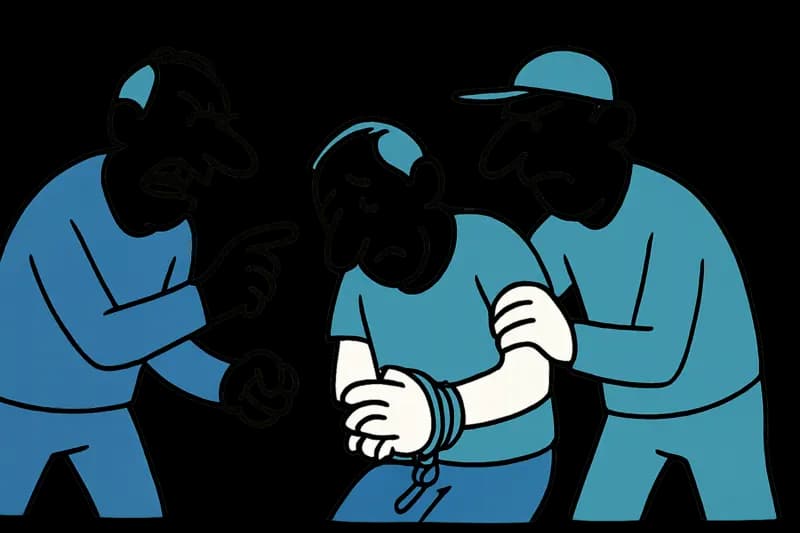
Mistaken identity with fatal consequences: Brutal assault in S'Aranjassa — what's missing in the follow-up?
At S'Aranjassa a visitor to a finca was tied up, beaten and thrown out of a van. Three men have been arrested, including...
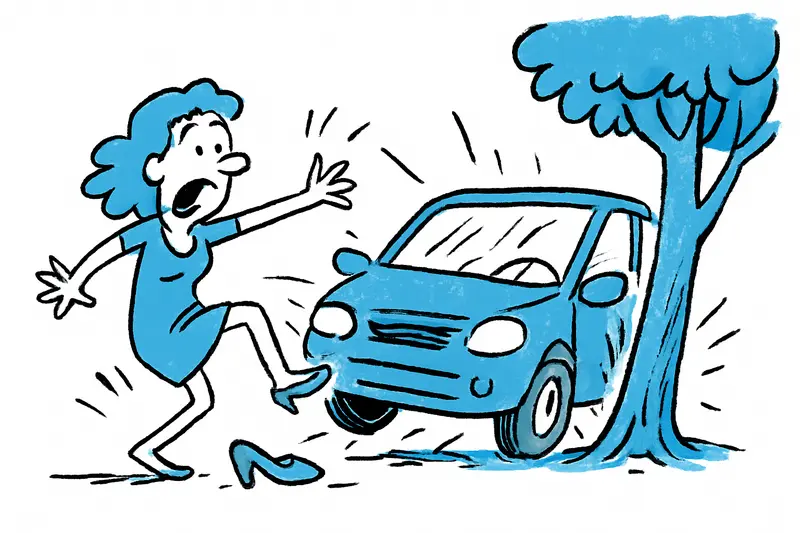
High heel slips, car accelerates: accident on Camí de Son Hugo
A woman lost a high-heeled shoe on the forecourt of the sports facility at Camí de Son Hugo. The car accelerated, mounte...
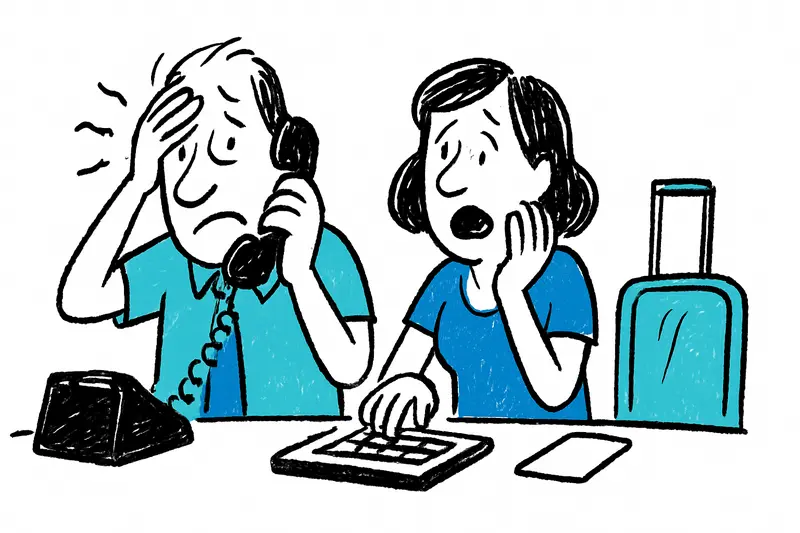
Phone Scam: How Two Hotel Employees at Playa de Palma Lost Thousands of Euros
One morning in September, two reception employees at Playa de Palma were pressured by alleged alarm-company staff — in t...
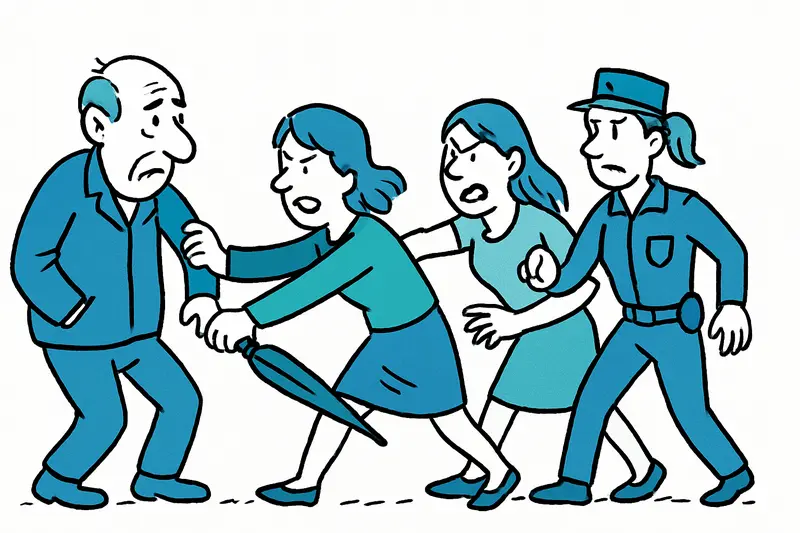
When the Wallet Becomes a Danger: Attack in Peguera and Lessons for Mallorca
In Peguera, two women are said to have stolen the wallet from a 75-year-old German couple. When the victim intervened, t...
Plata stays Plata: Young people take over, Llonguets remain
A small bar on Carrer de l'Argenteria will continue: Tolo Serra hands the place over to young Mallorcans at the end of t...
More to explore
Discover more interesting content

Can Cap de Bou

Townhouse Lleo 72
