
HSV in Mallorca: Sun, Son Moix and the Question of Benefit
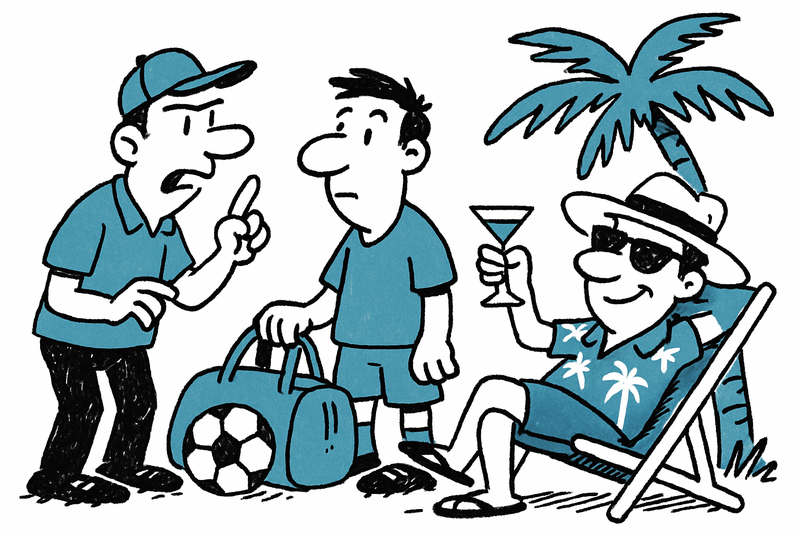
HSV trains in Mallorca — closed, tough and with a friendly match in the almost sold-out Son Moix. We ask: What does the Reds' trip really bring to the island, and how do locals benefit?
HSV in Mallorca: Sun, Son Moix and the Question of Benefit
It smells of the sea and wet turf when the first team buses roll through Palma's suburbs in the morning. The players of Hamburger SV have packed their bags and are spending a week in Mallorca to work on their return to the Bundesliga. Coach Merlin Polzin relies on hard, discreet sessions — the gates of the training ground remain closed, spectators are excluded. A measure that signals professionalism, but also raises questions.
A friendly as a dive into the league
The highlight of the trip: a friendly at Son Moix stadium against Real Mallorca — sold out, they say, or at least almost. The stadium stands will be full of voices, drums and the occasional call for a tapa stand on that Saturday. For many islanders Son Moix is a familiar place: on match days neighbors meet, taxi drivers gather shortly before kickoff, children in shirts scurry about, and somewhere the Tramuntana winds whistle through openings in the grandstands. Tickets are in demand; season ticket holders might free up seats — a small window for last-minute attendees.
The central question: what is it really about?
The key question hanging over such a training camp is simple: is it worthwhile for the club and the island? Sportingly the calculation seems straightforward: sun, good pitches and a serious friendly bring form and clarity. But economically, socially and ecologically the balance is more complex. Mallorca benefits briefly from fully booked hotels, busy restaurants and taxi rides, as noted in HSV on Mallorca: Training Camp, Test at Son Moix and a Taste of the New Season. At the same time training facilities are blocked, residents experience traffic peaks, and the public is excluded — a curious contrast between a commercial festival and local participation.
What the island gains — and what it doesn’t
On the positive side: hotels and gastronomy in Palma and along the beach fill up, local staff have work, and the presence of a Bundesliga team brings attention. Children who otherwise only dream of professionals on TV suddenly see players in the hotel lobby. On the other hand, local football clubs sometimes feel limited access to training pitches. For youth teams training space is precious and availability can drop for days. And the decision to hold sessions behind closed doors frustrates especially the loyal fans who actually want live music and open insights.
Pressure, transparency and the human component
For the players the camp is little glamour, a lot of duty: early runs by the sea, strength circuits in the midday heat, tactical sessions under floodlights. The team works under the pressure to achieve a return to the Bundesliga. That is understandable, yet closed training sessions widen the gap between team and supporters. Local coverage discussed this isolation in detail in HSV in Mallorca: Isolation in the training camp – practical reasons or missed opportunities?. A bit more transparency, for example an open training session or a short Q&A with youth players, could ease tensions and strengthen sympathies on the island.
Quiet opportunities: more than just a friendly
Mallorca offers room for more than preparation: cooperations with local clubs, small youth camps or joint training days could build long-term relationships. That would be a gain for both sides. Instead of just coming, training and leaving, real exchange could arise: coaches provide impulses, local talents gain insights, and the island benefits beyond the immediate economy.
Concrete ideas for improvement
A pragmatic proposal is: one open training session per camp, accompanied by a small fair-play event for children. In addition, binding regulations for the use of pitches so that local teams are not disadvantaged. Ecologically it would make sense to consolidate transport routes, use local supply chains and push waste reduction. These small steps reduce friction and turn a short-lived media event into sustainable coexistence.
Looking ahead
In a few days the Rothosen will pack their bags again. What remains are a mild summer evening at Son Moix, the sound of cheering fans and the question of whether this kind of preparation will do justice to both sides in the long run. The island has much to offer: sun, pitches, passion. If clubs use it in the future with a little more openness and consideration, training camps could not only be beneficial on the sporting side but also create real local relationships.
Whether HSV ultimately succeeds in returning to the Bundesliga will be decided on the pitch. But how clubs organize such trips determines how the island perceives them — and that is at least as important.
Frequently asked questions
Why do football clubs like HSV train in Mallorca?
What does a closed training camp in Mallorca mean for fans?
Is it worth visiting Son Moix for a friendly match in Mallorca?
How does a football training camp affect Mallorca’s local economy?
Does a football camp in Mallorca create problems for local clubs?
What is the best time of year for a football camp in Mallorca?
What should players pack for a training camp in Mallorca?
Are there ways for Mallorca clubs and visiting teams to cooperate better?
Similar News

Release after bloody attack in Palma: Why the court's decision raises questions
An 18-year-old who allegedly inflicted a serious neck injury on a man at Plaza Gomila using a wristwatch wrapped around ...
Kidnappings in Inca: Three young men forced into car trunks and abused in the forest – a reality check
In Inca, three 18-year-old men were forced into car trunks by masked assailants at the Plaça des Bestiar, taken to a for...
Spreading Massification: The Brake That Still Has Much Work to Do
Marga Prohens announces limits on volume tourism. The measures sound harsh — but are they enough to save everyday life, ...

Through the Keyhole onto the Party Yacht: How Daniela Katzenberger Is Planning Her 40th on Mallorca
Daniela Katzenberger turns 40 and wants to celebrate it on the island — likely with a boat, cake and her mother. A relax...
By Boat Instead of the Road: Palma's Water Bus — a Reality Check
The 'Bus Nàutic' launches in two stages — but questions remain over interim operations, fares and environmental requirem...
More to explore
Discover more interesting content

Can Cap de Bou

Townhouse Lleo 72
