
Strikes at Palma Airport: Why the Weekend Chaos Could Last Longer This Time
Multiple waves of strikes by ground handlers will hit Palma de Mallorca on the coming weekends. Why the situation reveals not only frayed nerves but also structural problems at the airport.
Weekend alarm at the airport: The question is not just "Who will be late?"
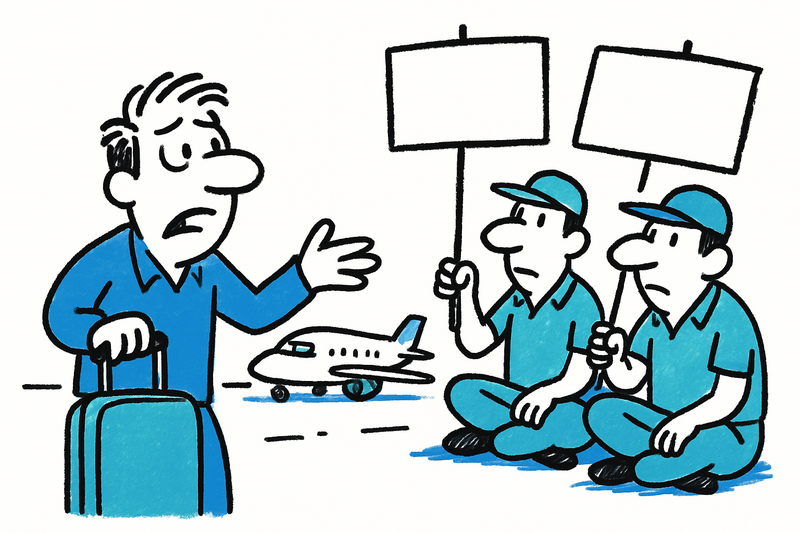
When announcements boom through Terminal 1 in the early morning, the air conditioning struggles against the August heat and the espresso in your hand has already gone cold, you notice: this is more than a normal travel morning. The announced work stoppages by Azul Handling (Aug. 15–17) and additional actions by Menzies on Saturday and Sunday are more than annoying delays – they expose a structural problem that could hit Palma de Mallorca repeatedly in the coming weeks, as outlined in Ryanair Ground Staff Strikes: What Mallorca Needs to Know.
The central question
The guiding question is: Are the airport, airlines and authorities prepared for recurring, targeted waves of strikes – or are we seeing how fragile the system's resilience really is? Short answer: preparedness appears patchy. Long queues at check-ins, delayed boarding calls, luggage jams on the belts – these are the symptoms. Behind them are staff shortages, heavy dependence on a few service providers and a season in which any delay quickly escalates.
More than just annoyed holidaymakers
The strike times – mornings 05:00–09:00, midday 12:00–15:00 and evenings 21:00–24:00 – hit peak hours exactly. That is no coincidence: industrial action aims to be visible. Mainly affected are connections served by Azul Handling and Menzies. For the island this means: low-cost routes like many Ryanair flights are at risk, but international aircraft can also accumulate delays, and the wider tourism effects are outlined in Palma before the departure chaos: Ground staff strike plans put the island to the test. What is first annoying for the individual traveler has local consequences: more waiting taxis at the exits, reception problems at hotels, crowded buses – the neighbours around the airport feel the effect immediately.
What often gets overlooked
Public debate often focuses on accusations: unions vs. companies. Less often mentioned are the real bottlenecks. First: the dependence on a few handlers; this vulnerability is discussed in Huelgas en el aeropuerto de Palma: por qué el caos de fin de semana podría durar más. Second: seasonal staff turnover. Many workers are temporary or fill in at short notice – making qualified replacement shifts difficult. Third: the lack of clear contingency plans that can be activated quickly – from additional service points to flexible gate usage.
Practical consequences on site
Anyone entering Terminal 2 these days hears the typical beeping of rolling suitcases, a babble of voices in several languages and the announcement "boarding delayed." The coffee in the café row goes cold because the gate calls later; taxi drivers queue at the entrance because passengers are waiting for alternative flights. Hotels on the beach often take care of phone contacts with airlines, but they too reach limits when entire groups are affected.
Constructive steps — what could help now
A strike is no longer an isolated case when rounds are planned. Solutions must therefore target both the short and medium term. Short term: clear prioritization of critical flights, temporary desk staffing by airlines, rapid rebooking centers at the terminal, more staff at information points. Medium term: airlines should reduce their dependence on single handlers or hold backup contracts; the airport operator and government should negotiate structured emergency plans with contingents for peak season days. Last but not least: better mediation mechanisms so that warning strikes do not turn into permanent grumbling.
What travelers can do — brief but important
Arrive early: Preferably two hours before short- and medium-haul flights. Prefer carry-on: Skipping the checked bag saves time. Subscribe to app updates: Airlines often inform digitally first. And a bit of calm helps: a kind word to the overworked ground staff sometimes works better than a loud complaint.
Conclusion: Not surprising, but a wake-up call
The current strike announcements are not a surprise; they are a wake-up call. Palma needs more robust procedures – for the summer weeks but also in the long term. That means investing in staff, clear backup structures and better communication between airlines, service providers and authorities. Until then, practical advice remains: allow more time, take your espresso to the gate and expect that views of the ramp will be interrupted more often this summer.
I will stay at the airport and report as soon as anything fundamental changes. The departures board is staging its own drama again today – and it sounds louder than any announcement tone.
Frequently asked questions
How are strikes at Palma Airport likely to affect flights in Mallorca?
What times of day are strikes at Palma Airport most likely to cause problems?
Should I arrive earlier than usual for a flight from Mallorca during a strike?
Is it better to travel with hand luggage only during Palma Airport strikes?
Which airlines are most affected by ground staff strikes at Palma Airport?
Why are strikes at Palma Airport a bigger problem in August?
What should holidaymakers in Mallorca do if their Palma Airport flight is delayed?
Are hotels and taxis in Mallorca affected when Palma Airport has strike disruption?
Similar News
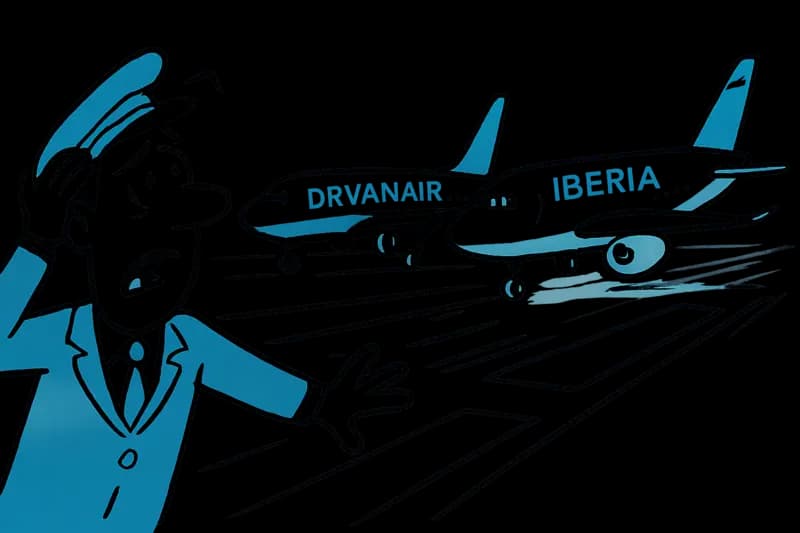
Near-miss on Lanzarote: Landing Ryanair Jet and Iberia Takeoff — what really went wrong
On Lanzarote there was a dangerous incident: A Ryanair flight (FR5910) from Dublin landed on runway 03 while an Iberia E...

Eurowings introduces new Premium Business seats on Mallorca routes
From December 1, selected Eurowings flights to Palma and other destinations will feature eight particularly generous sea...

Car on MA-13 near Inca in flames – a safety check for the island
A vehicle caught fire on the MA-13 towards Alcúdia on Tuesday afternoon. The driver was uninjured, the car was destroyed...

Real Estate in Mallorca: Fewer Buyers, Higher Prices — What's Behind It?
Sales on Mallorca are falling, yet prices continue to climb. Why fewer transactions do not equal relief — and what shoul...
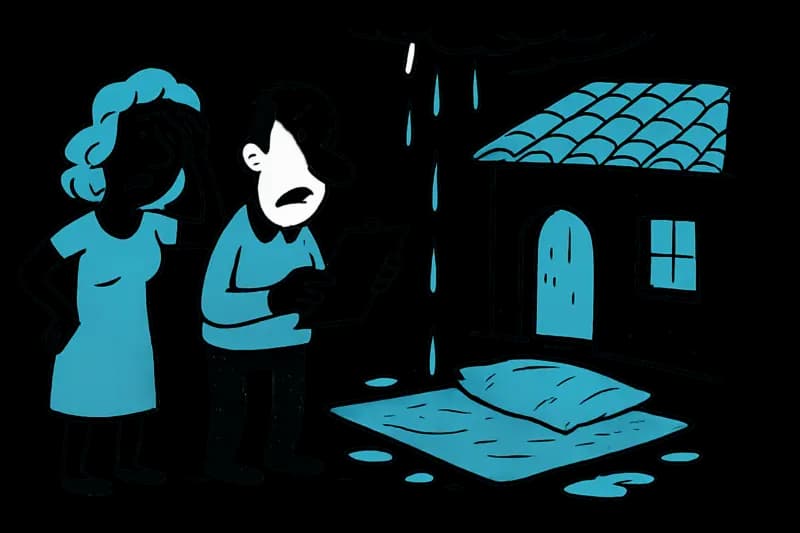
Just Bought — Already Trouble: Water Damage in the Heiters' Villa and What Owners in Mallorca Should Know Now
A newly purchased sea-view property — and within days a water damage. What risks lurk in new properties in Mallorca, and...
More to explore
Discover more interesting content

Can Cap de Bou

Townhouse Lleo 72
