
After the large demonstration: Human chain in Palma — can perseverance move politics?
After the large demonstration: Human chain in Palma — can perseverance move politics?
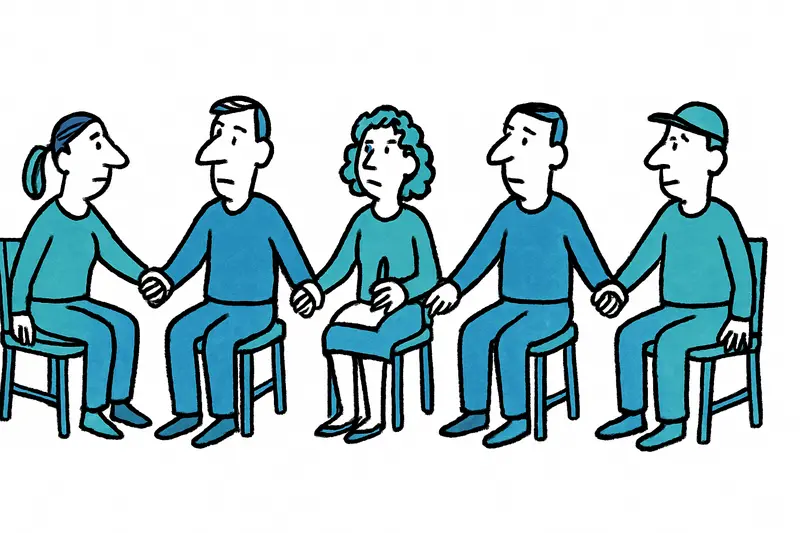
On Saturday activists in Palma plan to form a human chain from Plaça d'Espanya to La Lonja. Chairs, pens and conversation are at the center. The action is directed not only against mass tourism but against political stagnation. Is that enough?
After the large demonstration: Human chain in Palma — can perseverance move politics?
Activists demand visible alternatives to overtourism and bring chairs for that purpose
The question that has echoed through Palma's streets for weeks is simple: Are symbolic gestures still enough to break political stagnation? Next Saturday environmental groups are calling for a human chain that is to stretch from Plaça d'Espanya to La Lonja from 7 pm. Participants are asked to bring a chair and a pen to make the evening's conversations visible and documented.
At first glance the action appears friendly: it evokes the Mallorcan ritual of sitting outside on mild evenings, talking and exchanging views. In practice, however, it is more than a nostalgic sit‑in. The organizers want to collect the results of the conversations and bring them to the Consolat de Mar — without a final rally in front of the government building. This is a deliberate reaction to the escalations at the end of July, when a large demonstration turned violent and the public debate was focused mainly on police operations.
Anyone familiar with the demands knows that it cannot remain a cozy chat. The associations call for designating the Balearic Islands as a mercado tensionado, stopping new licences for tourist rentals, gradually reducing the number of hotel beds, protecting building land in rural areas and securing agricultural land. Also on the list: less car traffic, more public transport and water and climate management that is oriented to actual resources. They demand answers from politics and administration — answers that, according to them, have been absent for weeks.
Politically, the problem lies not only in the demands themselves but in the gap between desire and implementation. A look at the island explains why: narrow old town alleys, endless parking along the coast, holiday apartments that stand empty in low seasons and contribute to the housing market during highs, and a transport structure that in many places still relies on the car. In the evenings you hear the roar of motorcycles in Palma and the clatter of dishes from the restaurants; at the same time, the entrances of residential buildings are under pressure because prices and demand are soaring.
What is critically missing in the debate so far should be noted. First: concrete timetables and clear responsibilities. Calls for a building freeze or a reduction in hotel beds sound plausible but remain vague without a legal basis and clarification of responsibilities. Second: realistic financing. Expanding buses and trains, creating social housing or measures to save water cost money — and that must be planned transparently. Third: social compensation. Restrictions that suddenly reduce income and jobs hit people who depend on tourism. Without accompanying measures social hardening is threatened.
So what to do concretely? Some proposals that can be related to the demands: 1) Quickly examine the legal status of mercado tensionado and anchor it in regional laws so that cities can use temporary instruments for rent limits and bans on changing apartment use. 2) A provisional moratorium on new tourist rental licences, coupled with a register and stricter controls of existing offers. 3) A phased limit on hotel beds tied to municipalities and accompanied by retraining and support programs for workers. 4) Cartographic protection for suelo rústico with clear exceptions for urgently needed infrastructure, accompanied by sanctions for illegal land reclassification. 5) Expansion of public transport with bus lanes, electrification of fleets and targeted timetable densification at peak times. 6) A tiered water pricing system and investments in greywater recycling as well as awareness campaigns for households and businesses.
On the street it becomes clear how interwoven all topics are. I am often out in the evenings on the Passeig del Born, hear voices of tourists and residents, see hosts who urgently need contacts and craftsmen who juggle prices and orders. The chair action therefore strikes a nerve: it creates space to talk, precisely where the consequences of recent decades are most visible. But a circle of chairs will not replace the authorities.
It is also important to consider the form of protest. The decision not to hold a final rally in front of the Consolat is strategic. It minimizes the risk of conflict in front of the government seat and emphasizes dialogue instead of confrontation. At the same time there is the risk that the action will be perceived as too tame and will generate little pressure in the administration's files.
My conclusion: The human chain is a clever image for a deeper problem. It is necessary because it focuses attention and provides space for exchange. But it will only be more than an evening event if it is translated into concrete, legally sound demands — with timetables, financing ideas and social compensation. Otherwise, in the end there will be a pleasant scene with folding chairs and pens, and politics will continue precisely where it has been most comfortable so far: waiting.
In Palma, when the wind comes from the sea and the lanterns in the old town flicker, you see people carry chairs out of their homes and settle down on the sidewalks. It is an image that touches. Now it is up to those who make politics not just to accept it photographically but to take it as a mandate for work.
Key question: Can an organised, peaceful human chain trigger real political change when there is a lack of clear instruments, capacities and the will to implement?
Brief summary of core demands: Designation as mercado tensionado, stop new tourist rentals, gradual reduction of hotel capacity, building freeze on suelo rústico, protection of agricultural land, limitation of car traffic, expansion of buses and trains, water and climate policy oriented to resources.
Concrete steps Mallorca needs now: legal anchoring, registers and controls, financing for transport and housing, social compensation measures and transparent timetables.
Tone: critical, locally rooted
Frequently asked questions
What is Mallorca considering to curb overtourism and what would it involve?
How could Palma's transport, water, and land-use policies change?
Why are chairs and pens being used in a Palma demonstration?
What are the risks of peaceful protests not leading to concrete measures?
What is the aim of the Palma human chain from Plaça d'Espanya to La Lonja?
What concrete land and housing proposals are linked to the Palma action?
How could Mallorca expand public transport to reduce car traffic?
What should you pack for outdoor evenings in Palma if you join a local event?
Similar News
Dead Dolphin in Peguera — a Lesson for Beach Protection
A young dolphin was first seen alive at Palmira Beach in Peguera and was found dead at the boat dock the next day. The s...
Born conflict: Who owns Palma's most elegant promenade?
The city ordered bars on Passeig del Born to dismantle their terraces ahead of a planned sit-in. Residents, restaurateur...
Unidentified body near Tolleric: How can a person be overlooked in the middle of the island?
An older man was found dead in a patch of woodland near the cliffs of Tolleric. He had no identification, showed signs o...
Water shortage in Mallorca: Reserves shrinking, answers lacking
Despite rainfall, reservoir volumes remain low: Gorg Blau falls, Cúber rises slightly — together only 39.9 percent. Key ...
Arrest in Frankfurt after Mallorca Flight: What the Case Reveals About Gaps in the System
A 67-year-old Dutchman was arrested during a check in Frankfurt. Behind the scenes is an international warrant from Spai...
More to explore
Discover more interesting content

Boat Tour with BBQ along Es Trenc Beach

Private transfer from Mallorca Airport (PMI) to Pollensa
