
"I held his legs" — Window drama on a Ryanair jet: What is really missing on the radar
"I held his legs" — Window drama on a Ryanair jet: What is really missing on the radar
A woman recounts how she held her husband's legs for minutes while a Ryanair flight window shattered. The incident raises more questions than answers: technical causes, regulatory oversight, and psychological care for those affected.
"I held his legs" — Window drama on a Ryanair jet: What is really missing on the radar
Key question: Why are today's flight and maintenance safety standards not sufficient to prevent passengers from being partially pulled out of an aircraft?
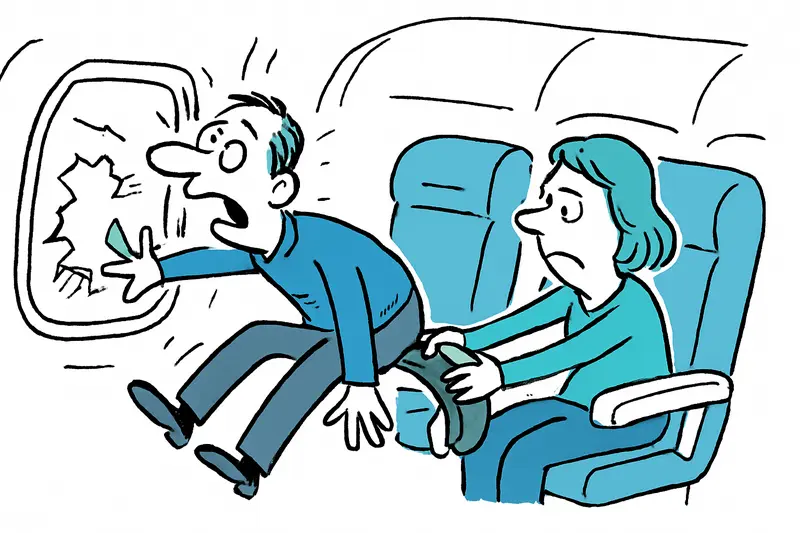
The scene sounds like a movie, but it happened in reality: During a scheduled flight from Thessaloniki to Memmingen, a window on board shattered — a terrifying event that recalls earlier reporting on similar cabin window problems such as Crack in the window — what an aircraft defect means for Mallorca travelers. A passenger seated at the affected window was partially pulled out of the cabin; his wife says she grabbed his legs and held them for several minutes until helpers could pull him back in. The man was lucky: he had not released his seatbelt, lost consciousness repeatedly, and is now in hospital with hand injuries and burns.
What we know for certain: the aircraft returned to Greece after the incident, a response that parallels other precautionary turnbacks documented previously such as Back after takeoff: What a 'toilet problem' reveals about flight safety. Footage shows damage to the engine; apparently a turbine blade is missing. Several eyewitnesses speak of an impact from the direction of the engine cowling that could have shattered the window. Exactly why parts from the engine struck the aircraft skin and what chain of failures led to this is the subject of ongoing investigations.
Critical analysis: The accounts suggest a serial defect cannot be ruled out — a fracture-prone engine component, inadequate foreign object control, or a manufacturing defect. That a fragment from an engine can penetrate so far as to destroy a cabin window is technically possible, but unusual. Equally striking is that survival depended not only on engineering but also on simple human factors: a belted passenger, the quick reaction of the wife, and help from fellow travelers. In other words: safety systems and chance worked together. That must not be the basis for trust.
What is missing from the public debate: So far discussions often center on the terrifying image itself. Much less attention is paid to questions about inspection intervals, transparency of maintenance data, the origin of spare parts, and how the airline and authorities handle such an event. Who checks the history of the affected engine series? Which inspections were carried out most recently? How quickly are records available to independent experts? And: how are psychological support and rehabilitation for those affected organized? Answers to these questions are essential but are rarely demanded systematically.
A view from everyday life in Mallorca: On a hot July evening on the Passeig Mallorca, when motorcycles hum and planes take off toward Son Sant Joan in the background, people do not only talk about missed flights or noise. Many now wonder if there is enough oversight when machines take off day after day; recent local incidents such as Frightening Seconds over Palma: Two Flight Attendants Injured have made those concerns more tangible. The concern is tangible: a neighbor from Eixample who has worked at the airport for years told me last week that there is more talk than before about maintenance and supply-chain problems. These conversations are not clichéd alarmism; they reflect a real need for clarity.
Concrete measures authorities, airlines and manufacturers should start immediately:
1) Disclosure of maintenance data: Airlines must provide inspection intervals, recent findings and part replacements in machine-readable form to authorities and independent auditors.
2) Special inspections for critical engine components: Ultrasonic or eddy-current checks at shorter intervals for engine series that have already shown anomalies.
3) Rapid access for investigators: Logbooks, flight-data recorder information and engine records must be released more quickly and under supervision so technical causes can be evaluated promptly.
4) Better passenger protection: Evaluate whether window construction or interior linings can be reinforced in exposed seat rows; provide training for crew and passengers on behavior during depressurization or fuselage breaches, and on managing onboard confrontations as highlighted in When a Female Martial Artist Strikes On Board: Security Gaps We Must Not Overlook.
5) Psychological emergency care: Immediate crisis intervention for those affected and standardized follow-up programs — physical wounds heal, trauma does not automatically.
Who is responsible? The chain is long: manufacturers of engines and components, airlines, aviation authorities and maintenance organizations. Experience on the island has shown that problems rarely stem from a single source — it is usually an interplay of material fatigue, human error and lack of transparency.
What must happen now: Investigations must not be allowed to wither in slow internal processes. European and national aviation authorities should cooperate closely, involve independent experts and inform the public regularly. For passengers this means: better information and faster evaluation, not only in headlines but with verifiable facts.
Punchy conclusion: That a person survived only because of a fastened belt, his wife's determination and the help of strangers is no consolation — it is an alarm. Safety must not depend on chance. If you sit on the Passeig in Palma watching planes take off, you should be able to trust that every bolt, every blade and every inspection behind the scenes is in place to prevent such scenes.
Frequently asked questions
What is the best time to visit Mallorca for warm weather and manageable crowds?
Is Mallorca safe for swimming year-round, and how do I stay informed about sea conditions?
What should I pack for a Mallorca packing list?
What outdoor activities are popular for visitors in Mallorca?
Is it easy to get around Mallorca without a car?
What should I know about Mallorca's weather through the year?
Are there family-friendly activities for kids in Mallorca?
What cultural tips should visitors know when traveling to Mallorca?
Similar News
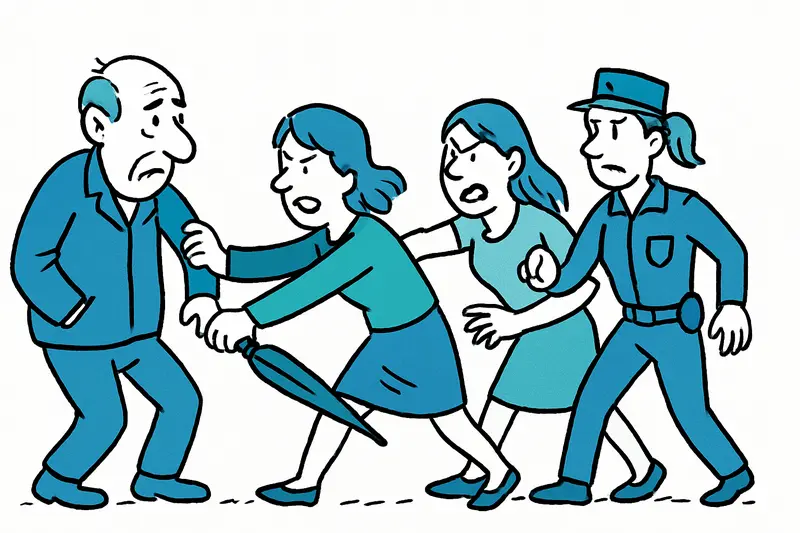
When the Wallet Becomes a Danger: Attack in Peguera and Lessons for Mallorca
In Peguera, two women are said to have stolen the wallet from a 75-year-old German couple. When the victim intervened, t...
Plata stays Plata: Young people take over, Llonguets remain
A small bar on Carrer de l'Argenteria will continue: Tolo Serra hands the place over to young Mallorcans at the end of t...
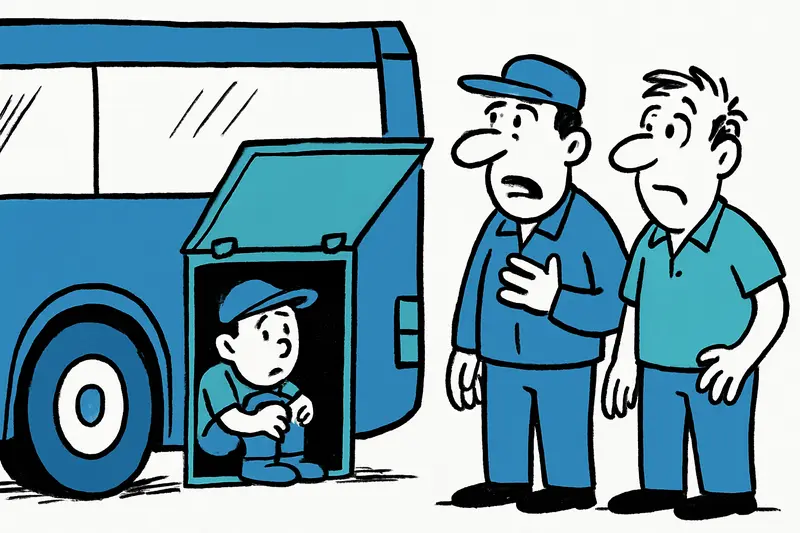
Unnoticed in the Luggage Compartment: How a Boy Traveled More Than 100 Kilometers in a Team Bus
A minor traveled in the undercarriage of a team bus for more than 100 kilometers until his cries for help were heard. A ...

Cap Vermell Grand: Second Michelin Key – a Gift for the East
The Cap Vermell Grand in Capdepera has been awarded its second Michelin key. For the region this elevates the luxury off...
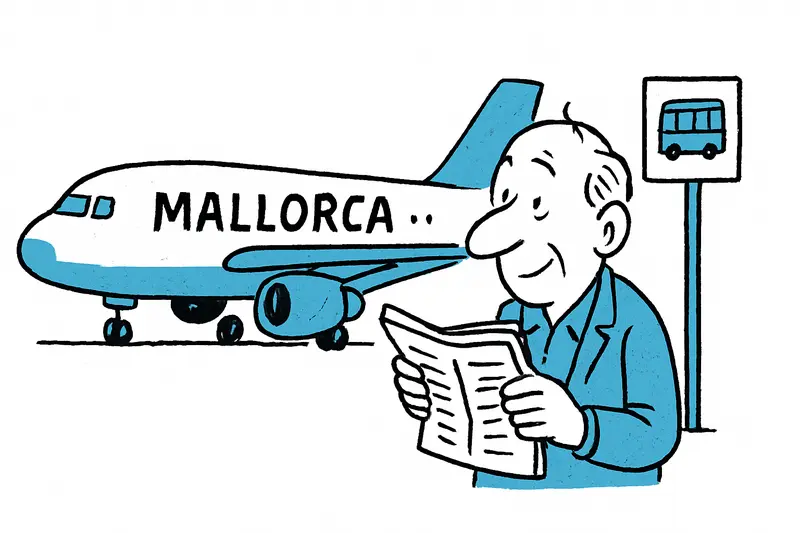
Eurowings lets four aircraft carry names – a friendly idea that also reaches Mallorca
Eurowings is launching a campaign: four Airbus A320s are to carry the first names of people who help others in everyday ...
More to explore
Discover more interesting content

Can Cap de Bou

Townhouse Lleo 72
