
Gazpacho, hat, frozen bottle: Mallorca keeps cool heads at 40 degrees
Gazpacho, hat, frozen bottle: Mallorca keeps cool heads at 40 degrees
When Palma shows 36 °C and the island reaches 40 °C in some places, simple habits help: drink, seek shade, wear light clothing — and neighborly help.
Gazpacho, hat, frozen bottle: Mallorca keeps cool heads at 40 degrees
On Passeig Mallorca the air shimmers, in Palma's old town the cobbles stick to sandals — during the day the thermometer climbs to around 40 °C in some parts of Mallorca. Those who live or holiday here quickly notice: heat is not a nuisance but a factor that changes daily routines and health. A few simple routines are enough to keep the body from suffering unnecessarily.
Drink instead of waiting: Thirst is not a reliable guide, especially for older people. A small water bottle in your bag, regular sips — that's the minimum. For variety, choose unsweetened herbal teas or a light broth; alcoholic drinks and cola-like refreshments often worsen dehydration.
Go out only during the quiet hours: Between noon and late afternoon the sun is at its strongest. Move walks and non-urgent errands to the early morning when the streets are still quiet and the air is more bearable, or to the evening when the noise from mopeds and delivery vans subsides. Those who must work outdoors should plan frequent breaks in the shade and start work when it's cooler.
What to wear? Loose-fitting clothing made from natural fibers like linen or cotton works wonders. Light colors reflect heat and make wearing clothes more comfortable. A head covering protects against direct sun, and good sunglasses protect the eyes. For children, reapply sunscreen regularly, especially after swimming.
Cool the apartment without continuous air conditioning: Close shutters or blinds when the sun is at its peak. Open windows in the evening and early morning and cross-ventilate when it is cooler outside. Fans help more if a damp cloth is hung in front of them or if cold bottles are placed nearby. If you use an air conditioner: 24–26 °C is a good compromise between comfort and a small temperature difference to the street.
Eat lighter, eat more often: Heavy roasts require energy and generate heat. Cold soups like gazpacho, salads, water-rich fruit (watermelon, cucumber) and small portions are easier on the stomach and support fluid balance.
Take warning signs seriously: Dizziness, severe headache, nausea, confusion or very hot, dry skin can be precursors to heatstroke. Move the affected person into the shade immediately, loosen clothing, cool with cool water or wet cloths (neck, armpits, groin). If the condition does not improve quickly or loss of consciousness is imminent, call the emergency number 112 at once.
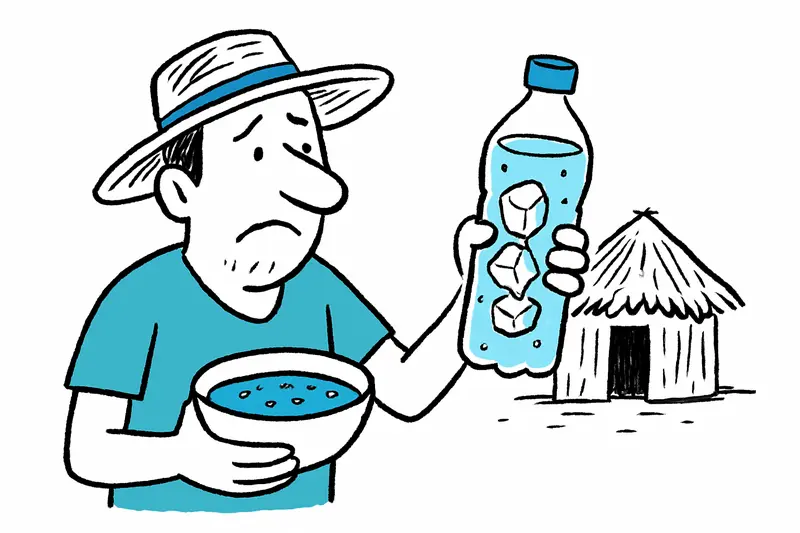
A very simple tip often still heard from older neighbors on Mallorca: Freeze a plastic bottle of water and place it on the lower legs when needed. Cooling the legs acts like a small temperature equalizer and is helpful when no large devices are available.
What these measures mean for Mallorca: they are pragmatic, inexpensive and strengthen community. A short call to an older neighbor, a shared purchase of water and melon for the street entrance — these are practical forms of neighborly help that really make a difference on hot days.
Those who take the heat seriously do not have to panic. With simple adjustments to daily routines, clothing and diet, life on the island can still be enjoyed — even when it's blisteringly hot outside. And if you need one more idea: try the cold tomato soup, put on a hat and enjoy a long siesta in the shade.
Frequently asked questions
When is Mallorca’s best time for outdoor activities?
Can you swim in Mallorca year-round?
What should I pack for a Mallorca trip?
Do I need a car to explore Mallorca or are public transport options enough?
What are the must-see sights in Palma?
Is a day trip to Sóller worth it from Palma?
What makes Alcúdia's old town and beaches worth a visit?
Is Cap de Formentor worth a visit for dramatic coastal views?
Similar News
From the Reality Studio to the Pitch: Aleks Petrovic Makes Mallorca His Base
The former participant in numerous TV shows moves from Dubai to the island and launches a project with FC Germania Mallo...
When the Phone Falls Silent: Concern for Sarah Joelle in Mallorca — and What It Reveals
After days without a response, the TV personality's unreachability in Mallorca sparked concern. Shortly afterwards an al...
Ultraluxury on the Ground: Four Seasons Jet in Palma — a Reality Check for Formentor and the Island
A high-priced flight crosses Mallorca and its guests stay for days at the Formentor resort. What does the island get bes...
Death of a Witness and the Justice Backlog: Why the Kegel Brothers Trial Matters in Mallorca
A witness in the Playa de Palma fire case has died, and the trial against eight German holidaymakers has been delayed un...

Champagne Reception, Red Carpet and Mini Originals: The Pre-Nit del Art at Gallery Mensing
Almost 400 guests, champagne, pop-art feats by Tom Boston and a raffle for the Parkinson's foundation: Gallery Mensing t...
More to explore
Discover more interesting content

Can Cap de Bou

Townhouse Lleo 72
