
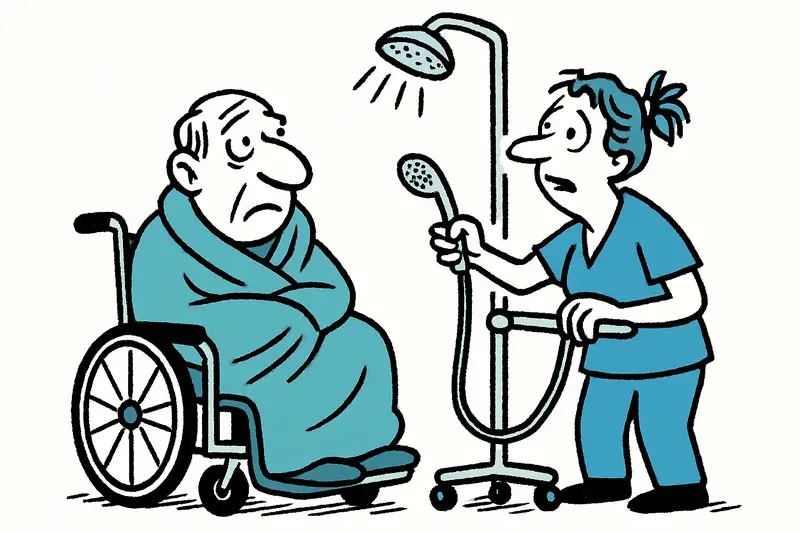
Joan March Hospital: Four Days Without Hot Water – What to Do Now
Joan March Hospital: Four Days Without Hot Water – What to Do Now
Patients at the Joan March Hospital in Bunyola report at least four days without hot water, as well as defective mattresses and toilets. A reality check with proposed solutions.
Joan March Hospital: Four Days Without Hot Water – What to Do Now
Reports from the Joan March Hospital in Bunyola paint a clear picture: several wards have had no hot water for at least four days. At the same time, deficiencies in toilet flushes, specialized mattresses and the availability of drinking water at dinner have been reported. The clinic is linked to Son Llàtzer Hospital and cares for departments such as geriatrics, radiology and palliative medicine. Such basic problems are far more than a loss of comfort – they affect patient safety and dignity.
Key question
How can medical care be reliably ensured when basic infrastructure such as hot water, functioning aids and fundamental hygiene measures fail?
Critical analysis
The situation appears to be a chain of failures at multiple levels. Hot water is not a luxury but part of infection prevention, personal hygiene and basic quality of care – especially in geriatric and palliative settings. Comparable multi-day outages have affected households in other parts of Mallorca, as reported in More than seven days without water: Inca families demand answers from Ibavi. If toilet flushes do not work, the risk of infection increases; if specialized mattresses for respiratory patients do not function properly, this directly endangers treatment success and raises the risk of pressure ulcers. That no bottled water was available at dinner points to logistical gaps in the catering chain or poor communication with the catering service, a problem noted elsewhere in Water alarm in Mallorca: Seven municipalities turn off the tap — is saving alone enough? Staff shortages may be offered as an explanation, but they are not an excuse: technical faults, supply logistics and maintenance are plannable and belong to core responsibilities of hospital management.
What is missing in public discourse
The public usually reports only the symptom – the acute failure. There is a lack of systematic debate about how such disruptions occur: Who monitors the condition of boilers and medical aids? Are there maintenance contracts and emergency plans? How does staffing compare to the number of high-risk patients cared for? Which reporting channels do staff and relatives use, and how are complaints handled — this is critical because the Hospital hotline crippled: Why appointment scheduling on the Balearic Islands is failing has shown central reporting lines can fail. There are also questions of transparency: those affected need information about causes, measures and timelines, not just reassuring phrases.
A day-to-day scene from Bunyola
You do not have to imagine it abstractly: it is a cold morning, the church bell on Plaça de Bunyola has just rung, the bus from Palma idles, and in front of the hospital a nurse pushes the medical trolley over the gravel. Inside, elderly people sit wrapped in blankets, the heating creaks, and staff trade rest breaks for extra rounds because someone needs to re-inflate a specialized mattress. Relatives wait in the corridor, conversations are quieter than usual. The care crisis is this close to the everyday life of the island's residents.
Concrete solutions
Short term (days): 1) Immediate supply of hot water via mobile water heaters or delivered containers with warm water for washing. 2) External emergency service for plumbing work and technical inspection of boilers as well as provisional repair of toilet flushes. 3) Provision of working replacement mattresses or beds (portable pressure-relief mattresses) for affected rooms. 4) Clearly communicated emergency instructions to staff, patients and relatives with contact persons and deadlines.
Medium to short term (weeks to months): 1) Complete inventory of technical equipment, maintenance schedules and existing contracts with service providers. 2) Prioritized repair and replacement investments for heating and hot water systems as well as medical aids. 3) Protocols for catering security so that drinks and basic supplies do not depend on a single employee. 4) Review staffing ratios and activate flexible support from surrounding facilities.
Long term (months to years): 1) Redundant hot water systems (e.g. multiple boilers, electric instantaneous heaters in critical areas) and reliable maintenance budgets. 2) A transparent complaints and escalation system that tracks reports from patients and staff and publishes results. 3) Targeted investment in the upkeep of medical devices and preferred maintenance contracts for safety-relevant aids.
Conclusion
A hospital where people have to endure without hot water shows that planning and maintenance have fundamentally failed. Technicians, nursing management and the health authority must now act quickly, openly and efficiently. It is not enough to explain shortages – visible measures and a plan for lasting resilience are needed immediately. And frankly: if the hospital's coffee stays cold and patients are forced to eat wrapped in blankets, this is not an operational hiccup but a wake-up call for all responsible parties on the island.
Frequently asked questions
Why is hot water so important in a hospital like Joan March in Mallorca?
What problems can a hospital face if toilets and basic equipment stop working?
What should patients and relatives do if basic conditions are poor at a Mallorca hospital?
Is it unusual for a hospital in Mallorca to run out of hot water for several days?
Where is Joan March Hospital in Mallorca, and what kind of care does it provide?
Why are geriatrics and palliative care especially affected by infrastructure failures in Mallorca hospitals?
What short-term fixes can help when a Mallorca hospital has no hot water?
What long-term changes would prevent repeated hospital failures in Mallorca?
Similar News
Near-miss on Lanzarote: Landing Ryanair Jet and Iberia Takeoff — what really went wrong
On Lanzarote there was a dangerous incident: A Ryanair flight (FR5910) from Dublin landed on runway 03 while an Iberia E...
Eurowings introduces new Premium Business seats on Mallorca routes
From December 1, selected Eurowings flights to Palma and other destinations will feature eight particularly generous sea...
Car on MA-13 near Inca in flames – a safety check for the island
A vehicle caught fire on the MA-13 towards Alcúdia on Tuesday afternoon. The driver was uninjured, the car was destroyed...

Real Estate in Mallorca: Fewer Buyers, Higher Prices — What's Behind It?
Sales on Mallorca are falling, yet prices continue to climb. Why fewer transactions do not equal relief — and what shoul...
Just Bought — Already Trouble: Water Damage in the Heiters' Villa and What Owners in Mallorca Should Know Now
A newly purchased sea-view property — and within days a water damage. What risks lurk in new properties in Mallorca, and...
More to explore
Discover more interesting content

Can Cap de Bou

Townhouse Lleo 72
