
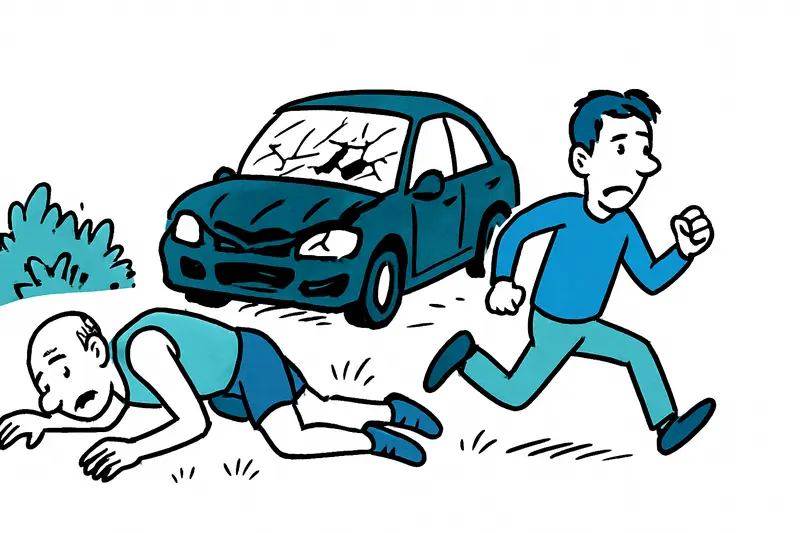
Jogger killed, driver fled: A reality check on safety on Mallorca's coastal roads
Jogger killed, driver fled: A reality check on safety on Mallorca's coastal roads
A 55-year-old tourist was struck and killed during a jog between Capdepera and Cala Mesquida. The suspected driver, a 21-year-old hotel employee, was later arrested with a positive alcohol test. Time for a hard look at road, workplace and enforcement problems on the island.
Jogger killed, driver fled: A reality check on safety on Mallorca's coastal roads
Between Capdepera and Cala Mesquida a holidaymaker dies – how fragile is our road safety?
On the early morning of a hot July day, before the beach bars in Cala Mesquida opened, a 55-year-old holidaymaker was hit and fatally injured by a car while jogging on the narrow road between Capdepera and Cala Mesquida. Emergency crews later found the body about one hundred meters from the roadside, hidden in dense scrub. Nearby, police discovered a badly damaged black VW Polo TDI with a shattered windshield and visible traces of blood. Firefighters from Artà had to remove brush to recover the deceased.
The Guardia Civil was able to detain a 21-year-old man the same day who works at a local hotel. He was found at his workplace; a breathalyzer produced a positive result. He is being investigated for negligent homicide and hit-and-run, a pattern seen in cases such as After head-on crash in Palma: Fleeing and many questions – 31-year-old dies.
Key question: How can a simple jog on a summer morning turn into a fatal incident, and who bears responsibility beyond the immediate accident?
Critical analysis: Several factors stand out. First: the route itself. The coastal stretches east of Capdepera are narrow, with little room for vehicles and pedestrians. Early morning visibility is generally good, but runners often stay very close to the roadside. Second: speed. When a small car strikes with considerable force, the evidence points to very high speeds. Third: alcohol at the wheel. A positive breath test is a serious finding, but not definitive proof for the night — the results must be examined within the legal process. As previous investigations demonstrate in Alcúdia: Who Was Really at the Wheel? A Reality Check on Alcohol, Responsibility and Investigations, establishing responsibility can be complex. Fourth: hit-and-run. Fleeing the scene does not change the accident itself; it makes it more tragic and complicates the victim's chances of rescue.
What has so far been missing from the public debate: the responsibility of employers in the tourism industry. Hotel staff often work shifts that end late; at the same time, hospitality and service workers regularly operate in environments where alcohol is present. Whether and how hotels enforce rules on fitness to drive among their employees is rarely discussed. Incidents like Nighttime Accident in Sóller: Alcohol, No Driver's License — How the Situation Escalated underline these concerns. Equally rarely asked is whether residents, guests and authorities provide sufficient consideration and infrastructure for pedestrians and joggers: sidewalks, speed controls or permanent parking bans are missing on many secondary roads.
Everyday scene on Mallorca: imagine the morning — the heat already heavy over the fields, cicadas buzzing, a few cars with open trunks parked along the roadside, a delivery van honking in the distance. A couple of joggers run with headphones, a taxi driver quickly rinses the roof before the workday. The roads between the coves are not racetracks, even if they are sometimes treated like them.
Concrete solutions, practical and locally implementable:
- Reduce speed: install more visible speed limit signs and deploy mobile speed cameras at particularly vulnerable sections. Enforcement brings short-term effect.
- Safer edges: where possible, create more space for pedestrians, small protective strips or guardrails. Simple measures like mirrors at tight spots also help.
- Employer duties: hotels and businesses in tourist zones should have workplace rules on fitness to drive, including information and internal checks after night shifts and late shifts.
- Promote visibility: free reflective bands for runners, warning signs on popular jogging routes and local information campaigns in multiple languages.
- Swift sanctioning of hit-and-run: authorities must secure crash sites and evidence quickly; witness appeals should be more widely publicized and legal consequences clearly communicated, as in the Fatal Accident on the Paseo Marítimo: Trial Raises Questions About Safety and Control.
- Prevention instead of mere reaction: mark local runner routes with lower traffic conflict, for example by rerouting early traffic on weekends or setting fixed times with 30 km/h limits.
These proposals are no miracle cures, but they target the right levers: technology, organization and culture. Those who live or work in Mallorca know the coexistence of tourism, traffic and everyday life. They are simple measures, but they require discipline — from drivers, employers and authorities.
Pointed conclusion: The case reveals a harsh truth: our roads are vulnerable and the consequences can be fatal. A young man is now in pre-trial detention; the victim is gone from a family. To prevent this from becoming a recurring headline, we must act immediately where people step onto the road every day — with clear rules, visible enforcement and a sense of responsibility that goes beyond a single shift.
Frequently asked questions
What safety tips should joggers follow on Mallorca’s coastal roads?
How does road design impact pedestrian safety on Mallorca's coast?
What responsibilities do hotels in Mallorca have regarding staff fitness to drive after late shifts?
What practical measures can Mallorca communities adopt to improve safety on coastal roads?
What should drivers know to reduce accidents on Mallorca's coastal roads?
Why is enforcement, like speed cameras, important on Mallorca’s coast roads?
Are there safer jogging or walking routes in Mallorca?
What should joggers and drivers know about safety on the Capdepera–Cala Mesquida coastal road?
Similar News
Injured captain, big plans: Germania Mallorca before the away match in Consell
The newly founded FC Germania Mallorca travels to Consell on Saturday. Captain Bastian Müller is out injured, but coach ...
Palma, Palma de Mallorca, Palma‑Mallorca: What is it really about?
The debate over the city's name is more than grammar: it concerns identity, law and branding policy. A sober reality che...
Warning to Bathers: Nipping Fish in Cala Major and Other Coves — a Reality Check
In Cala Major and several beaches around Mallorca, bathers report painful “nips”. Who are the animals, why are they gett...
Rental Car Theft in El Arenal: What This Incident Reveals About Our Gaps
A teenager steals a running rental car in El Arenal, flees on foot, climbs over walls and is caught by the Guardia Civil...

Red Rope in Palma's Library: What Helps Against Selfie Tourism — and What's Missing
Palma's city library cordoned off an area with a red rope to keep selfie tourism away from reading and working activitie...
More to explore
Discover more interesting content

Can Cap de Bou

Townhouse Lleo 72
