
Jury trial in Palma: questions of responsibility, protection of older people and public scrutiny
Jury trial in Palma: questions of responsibility, protection of older people and public scrutiny
A trial in Palma recalls a brutal act from Colònia de Sant Jordi. Charges, the victim's background and unanswered questions — a reality check from everyday life in Mallorca.
Jury trial in Palma: questions of responsibility, protection of older people and public scrutiny
Key question: Are court proceedings alone enough to prevent the suffering of particularly vulnerable people in Mallorca?
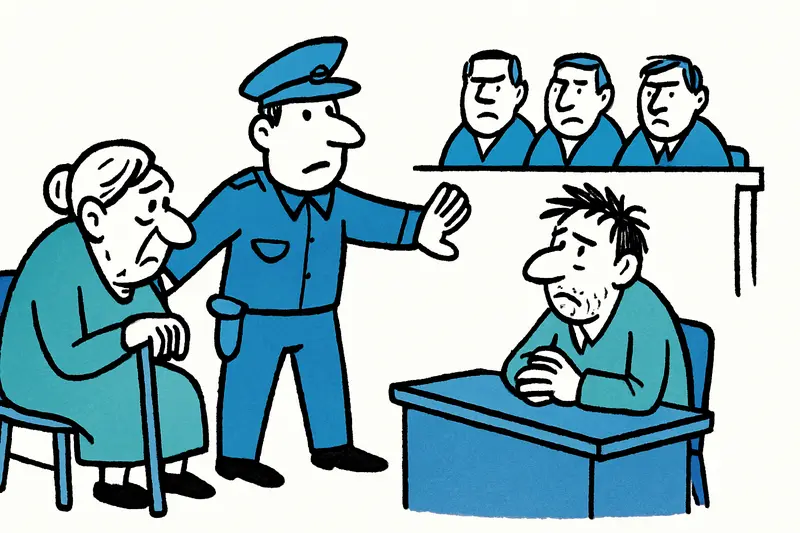
On Friday a trial began at the Regional Court in Palma that has many people in the villages in the south of the island taking notice again: according to the indictment, a 47-year-old Portuguese man allegedly fatally injured an elderly Swiss woman with limited mobility on the evening of 25 September 2024. According to investigators, the woman lived on an estate on the edge of Colònia de Sant Jordi together with her daughter and the accused, who is said to have previously been married to the daughter. Investigators believe the attack began on the veranda and continued in a garage; neighbours alerted the local police of Ses Salines but found the victim already dead.
The public prosecutor's office is seeking a 20-year prison sentence for murder; the civil party is demanding substantial compensation payments, while the defence is pleading for acquittal. Comparable discussions followed the Palmanova verdict.
Critical analysis: The case raises several levels we need to look at. First the legal: "according to the indictment" does not mean "proven" – a jury trial examines the facts, the perpetrator and guilt with witnesses, traces and expert reports. At the same time, the severe nature of the allegations is in the room: investigators say the victim suffered the most serious facial fractures and numerous bruises that proved fatal. For many neighbours and passers-by, the image of a helpless elderly woman who became the target of extreme violence on her own property is hard to grasp.
Missing points in the public discourse: Much remains underreported in everyday court coverage. Who asks about the victim's home care situation? Were there social services, medical supervision or external checks? Concerns about care homes and staff conduct were raised elsewhere, for example after a care home assault in Palma. The role of neighbours also deserves more attention: they reacted, their screams alerted the police – but how fast is the local alarm chain really when it comes not to a loud incident but to creeping neglect?
Everyday scene: Imagine the late September evening in Colònia de Sant Jordi. The air is still warm, cicadas chirp, the village street smells of grilled fish from a neighbour. On the veranda of this country house a commotion breaks out; a woman screams, footsteps echo in the garage, lights flicker. Neighbours wedge a phone under their arm and rush to the nearest doorway. Such scenes on Mallorca are not abstract — they happen in neighbourhoods where people know each other but do not know everything.
Concrete approaches: A court trial must clarify the facts completely. Beyond that, we need preventive answers. First: better networking of social services with general practitioners and pharmacies in rural areas — regular checks for older people with mobility limitations should be easier to request. Second: low-threshold reporting systems for neighbours and caretakers, combined with clear guidelines for interventions by the municipality and the Policía Local. Third: training for police officers and judicial staff in dealing with vulnerable victims so that medical and psychological aspects are considered equally in investigations. Fourth: local information campaigns about the rights of older people and available support services; support often fails because of ignorance or shame.
What the justice system must deliver: In the trial, traces, expert reports and witness statements will decide. It is important that the proceedings remain transparent without violating the dignity of the victim, and that relatives of the victim have access to psychosocial support. Civil claims for compensation are also part of the process — the announced demands by the public prosecutor and the civil party show that, in addition to criminal sanctions, financial issues must be resolved.
Concise conclusion: Courts are necessary but not sufficient. The case from Colònia de Sant Jordi is a clear signal: in Mallorca we must get better at protecting people in vulnerable situations — through closer care, better reporting channels and greater public awareness in our villages. This echoes broader systemic gaps highlighted by the major real estate fraud in Palma. Otherwise the result of the trial will be only a name on an indictment, with no systemic response to the risk some people silently carry.
Frequently asked questions
What is a jury trial in Palma actually deciding?
Why did the case from Colònia de Sant Jordi draw so much attention in Mallorca?
How do neighbours usually help in emergencies in Mallorca villages?
What support is available in Mallorca for older people with limited mobility?
Can a murder trial in Palma also lead to compensation claims?
How are vulnerable victims protected during criminal proceedings in Mallorca?
What can Mallorca do to prevent neglect of older people living in rural areas?
What should people in Mallorca know about reporting concerns for a vulnerable neighbour?
Similar News

Fewer Airlines, Fewer Destinations: What Palma's Winter Flight Schedule Means for Mallorca
Analysis shows: Winter at Son Sant Joan Airport will be quieter, with significantly fewer airlines and destinations. Who...
German tourist dies in Sa Calobra – a reality check for emergencies on Mallorca's beaches
A 40-year-old tourist died at the Torrent de Pareis. The emergency call, a doctor who happened to be present, a defibril...
Deadly Tractor Accident in Bunyola: What Needs to Be Done Now
In a work accident on an estate near Bunyola, a roughly 40-year-old man lost his life. His wife and a small child were o...
Head-first dive into the shallow part of Cala Fonoll: An accident and the unresolved question of responsibility
A young tourist dove into Cala Fonoll and was seriously injured. Key question: Why are clear warning signs missing at da...
Mistaken identity with fatal consequences: Brutal assault in S'Aranjassa — what's missing in the follow-up?
At S'Aranjassa a visitor to a finca was tied up, beaten and thrown out of a van. Three men have been arrested, including...
More to explore
Discover more interesting content

Can Cap de Bou

Townhouse Lleo 72
