
Krümel renames her venue: 'Schatzi' is now 'Chalet Max' — what it reveals about Mallorca
Only months after reopening, Marion "Krümel" Pfaff's Peguera venue has a new name. A small decision — with greater symbolic significance for the island. A critical look.
Krümel renames her venue: 'Schatzi' is now 'Chalet Max' — what it reveals about Mallorca
Guiding question: Does the name change of a small party venue show mere pragmatic marketing — or a deeper transformation of the island?
In the middle of the boulevard in Peguera, where in the evenings loudspeakers still play Schlager and waiters clear the last tables, a new neon sign has hung since early September. The recently opened Kruemel opens 'Schatzi' in Peguera has become "Chalet Max." The owner, whom many here simply call "Krümel," did not change the name on a whim: international guests, pronunciation problems and the desire for a slightly more "upmarket" appearance were cited in her explanation. That is the sober version. The more interesting question is: What remains of Mallorca's pub and party culture when such decisions accumulate?
Analysis: At first glance the renaming seems harmless. A German hostess's name, an X for the son, a pragmatic switch to a more easily pronounceable title — that happens every day in tourist towns. At second glance it's a symptom. Local businesses react to an audience that is changing: more languages, different expectations, higher spending. The owner had already "spruced up" her concept during the refurbishment; the name change is another small tessera in this upgrading.
What's missing in the public debate? Frankly: the connection between individual decisions like this and structural developments often remains invisible. Conversations focus on traffic, construction projects or bed numbers — rarely on how a simple sign on a façade can help shape the feeling of life in a place. Data on rents, staffing structures in the hospitality industry or customer composition are missing from the debate — as Krümel's Schatzi in Peguera: Between boulevard summer and night-time quiet illustrates.
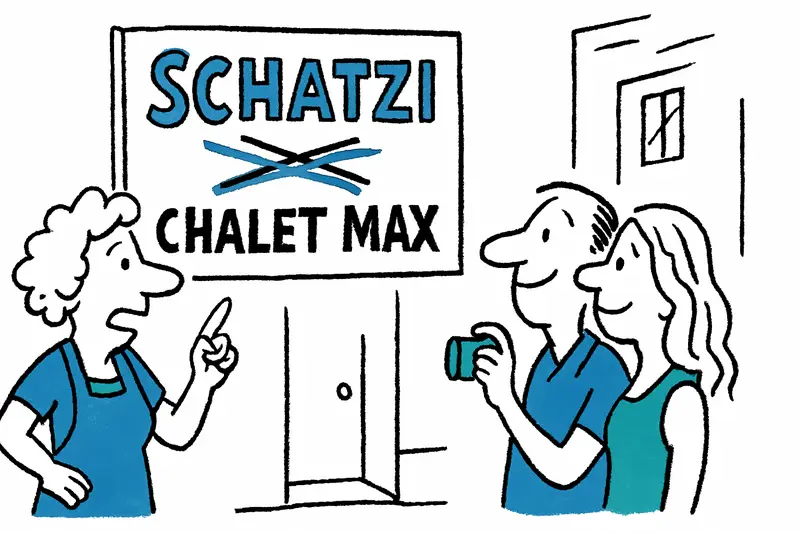
A scene from everyday life: In the mornings, when the cleaning crews roll along the boulevard, pensioners sit on the benches, tourists with maps ask for the next cove, delivery drivers manoeuvre with crates of drinks. The new lettering looks a bit calmer there, less playful than the old "Schatz i." A British couple stops, photographs the sign, laughs — they find "Chalet Max" easier. On the other hand, regulars who have known Krümel's Stadl for years mutter about lost casualness.
Concrete proposals: First: promote transparency. Municipalities could start small surveys — who comes when, how much does the average party group spend, how are rents for hospitality properties developing? Second: create linguistic access. Instead of seeing names per se as a threat, place signs, flyers and menus could be consistently bilingual or multilingual, without replacing typical local names. Third: support for traditional businesses. Grants or subsidised retail spaces for family-run establishments would help ensure that not only pricier concepts survive. Fourth: a local name register that protects historical names and shields small owners from abrupt pressure by investors.
There are also concrete, simple steps for restaurateurs: clear exterior sign designs that integrate both German-sounding and international names in a friendly way; times for mixed offerings where local classics and new, more upscale menus are combined; partnerships with schools and clubs so venues remain anchored as meeting places and not just consumption spots.
A little irony is allowed: sometimes one letter is enough. According to the owner, the X in "Chalet X" stood for her son Max — in the end it became a pronounceable family name. Still, the decision is not only familial. It is a business decision that reflects the island: more international visitors, rising prices, changed expectations about ambience and service.
Conclusion: The renaming from "Schatzi" to "Chalet Max" is more than a change of sign. It is a local example of how Mallorca is changing — quietly, in steps, often without much debate. Those who want to can see only marketing in it. Those who look more closely recognise a piece of the island's development. The question remains how much room there will be for the old when the new is easier to pronounce and market. And more importantly: who decides that — market forces or the local community?
Frequently asked questions
Why did the venue Schatzi in Mallorca rename to Chalet Max?
Can a simple sign change really alter Mallorca's pub culture?
What steps could Mallorca towns take to preserve local character amid renaming trends?
What practical steps can venues in Mallorca take when updating signage?
How do language and branding shape Mallorca's tourism experience?
Do changes like naming reflect higher rents and staffing in Mallorca’s hospitality sector?
Where did the Schatzi to Chalet Max change take place?
What is the broader takeaway from the renaming of Schatzi to Chalet Max?
Similar News

When a Taxi Fare Dispute in Magaluf Turned Bloody: How Safe Are Passengers and Drivers?
In Magaluf a dispute over the fare escalated: a tourist, now 18, is accused of having seriously injured a taxi driver in...
Why Mallorca Has Become So Terribly Expensive — A Reality Check
Rents are exploding, staple food prices are rising, wages are lagging behind. A look at the causes, what is missing from...
When Paradise Becomes Unaffordable
Hotel rooms, paella and the weekly grocery shop: Mallorca is becoming more expensive for many. Who pays the bill — guest...
End at Ballermann: What Is Lost with the Dino Mini Golf at Playa de Palma
On October 25 the dinosaur mini-golf course at Playa de Palma will close after more than 30 years. Why the city is recla...

Expensive Address Calvià: What Does First Place Mean for Mallorca?
The National Institute of Statistics (INE) ranks Calvià as Spain’s most expensive municipality for property purchases. W...
More to explore
Discover more interesting content

Can Cap de Bou

Townhouse Lleo 72
