
Kubicki on the Island: A Reality Check from Camp de Mar
The FDP leader uses Mallorca as a retreat — and at the same time inserts himself into debates about Merz, state elections and tourism. A critical look at what is missing and what could help.
Kubicki on the Island: A Reality Check from Camp de Mar
Key question: How serious are political statements made during a summer holiday — and what do they say about the state of politics and the island's economy?
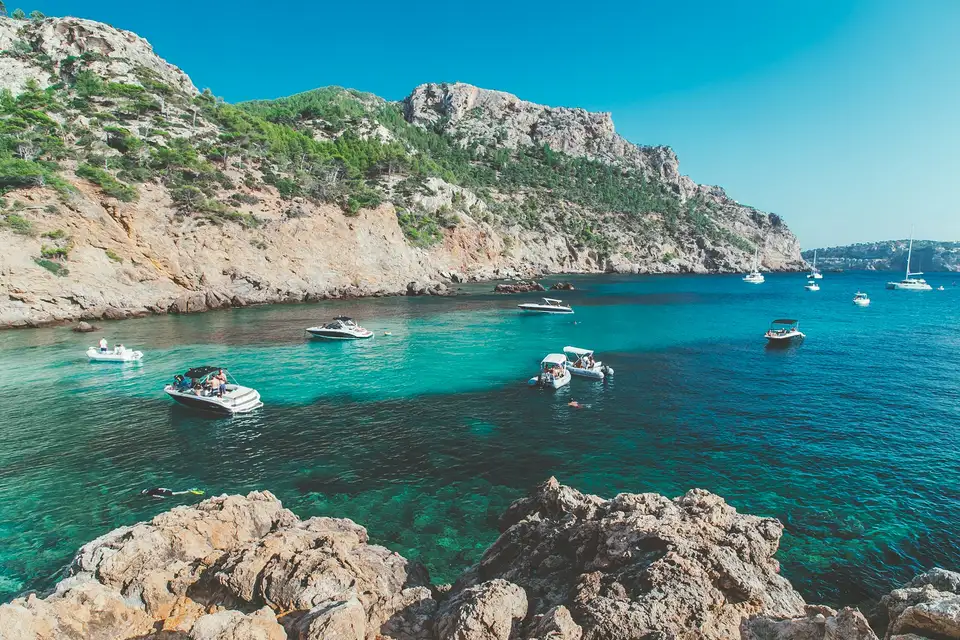
Anyone who walks down the steps to the small bay of Camp de Mar on a mild late-summer morning encounters the same scenes as for decades: pensioners with newspaper bags, fishermen mending their nets, and breakfast tables sending the scent of espresso into the street. Right here sits a federal politician who comments on the situation in Berlin between beach walks and dinner. That is legitimate. But the question arises: How binding are political diagnoses when they are made between sun umbrellas and the sea?
Brief summary of the facts: The FDP leader is a long-term guest of Mallorca, was elected party chairman in May and has since tried to stabilize the polling figures. He criticizes leadership weakness in the federal government, calls for parliamentary tests of strength and warns against a rise of the AfD in the upcoming state elections. These are not new issues. New is the way holiday location and political images merge.
Critical analysis: Statements made in a holiday environment tend to sound sharper. They meet an island that itself struggles with burning questions — housing shortages, traffic loads, increasing pressure on infrastructure, as outlined in Reality Check: Why Mallorca Can Hardly Escape Massification. When a politician demands that one must "prioritize quality over quantity" in tourism, it sounds good. But what exactly is meant often remains vague. Should there be restrictions on short-term rentals, higher local taxes on second homes, or targeted subsidy programs for research and education? Such details are usually missing.
What is missing from the public discourse: the voices of Mallorcans themselves. When residents in front of a café on the Platja de Palma say they can hardly find affordable housing, that is not an isolated case; local coverage such as When Old Feuds Become Mallorca Fodder: What 'The Reckoning' Does to the Island reflects these everyday perspectives. Likewise, concrete models of how to reshape tourism without destroying the island's economic base are often absent. At the federal level, there is often a lack of clear answers to how political leadership can rebuild trust — not just rhetoric, but rules that create stability.
A small slice of everyday life: On the Passeig in front of Palma's town hall it is, at the latest by half past eight, delivery vans, street sweepers, some older women carrying their shopping. A tradesman calls a quick hello, a waiter wipes tables. These scenes show: Mallorca lives not only from flight schedules and summer feelings, but from the daily small things. Political solutions that overlook this are doomed to fail.
This concretely shows up in the following problem areas: housing policy, traffic, water and energy supply, season extension. That more than half of the drinking water now comes from desalination plants is a structural fact that must be included in political considerations. The island also needs approaches to attract founders and young professionals if the idea is to develop Mallorca as a location for education and research, as discussed in After Eleven Years at the Top: What Mallorca's Tourism Radar Really Needs to See.
Concrete solutions proposed: 1) Regulate short-term rentals more strictly and earmark revenues for social housing. 2) Tax or administrative incentives for companies that invest outside the high season. 3) Offer cooperations with universities — targeted Erasmus programmes, summer schools, research scholarships that also attract local start-ups. 4) Traffic management: more park-and-ride on the access roads (Ma-1), better bus scheduling and expansion of night services so that midday rest does not become lost working time. 5) Plan and communicate a binding water and energy strategy, instead of reacting piecemeal.
At the federal political level, pragmatic steps would also be conceivable: transparent decision-making paths within coalitions, graduated votes of confidence that do not automatically trigger new elections, and local dialogue forums in which lines of conflict are negotiated openly and without tabooed labels. That would counterbalance the current climate of mutual exclusion.
A note for the election campaign: rhetorical sharpness brings short-term attention. In the long run, however, comprehensible concepts count. Anyone who as a party is fighting to enter the state parliament in Saxony-Anhalt — and internally speaks of polls that have changed within a few weeks — must explain how these polls are to be translated into real policy. Otherwise the message remains a summer anecdote.
Conclusion: Politics with a sea view can be inspiring. But it must not become a substitute world. Mallorca's everyday life demands precise political answers — and these have to be tangible, not just well-intentioned. If the island is really to be seen as a place for education and a more sustainable tourism, concrete instruments are needed, not just well-sounding commitments.
To the point: Anyone who seriously wants to change something here must do more than serve catchy phrases between espresso cups. Votes count, but the steps afterwards are even more important — on Mallorca as in Berlin.
Frequently asked questions
What is the best time of year to visit Mallorca for outdoor activities?
What should I pack for a Mallorca trip?
Is it safe to swim in Mallorca's sea?
How can I get around Mallorca without a car?
What are the must-see beaches near Palma?
Is the Serra de Tramuntana area good for hiking?
What’s the best way to experience the Palma to Soller scenic train?
Which Mallorca towns are good for a quiet stay?
Similar News
When a Taxi Fare Dispute in Magaluf Turned Bloody: How Safe Are Passengers and Drivers?
In Magaluf a dispute over the fare escalated: a tourist, now 18, is accused of having seriously injured a taxi driver in...
Why Mallorca Has Become So Terribly Expensive — A Reality Check
Rents are exploding, staple food prices are rising, wages are lagging behind. A look at the causes, what is missing from...
When Paradise Becomes Unaffordable
Hotel rooms, paella and the weekly grocery shop: Mallorca is becoming more expensive for many. Who pays the bill — guest...
End at Ballermann: What Is Lost with the Dino Mini Golf at Playa de Palma
On October 25 the dinosaur mini-golf course at Playa de Palma will close after more than 30 years. Why the city is recla...
Expensive Address Calvià: What Does First Place Mean for Mallorca?
The National Institute of Statistics (INE) ranks Calvià as Spain’s most expensive municipality for property purchases. W...
More to explore
Discover more interesting content

Can Cap de Bou

Townhouse Lleo 72
