
Uncertain Future: Why the Luxury Venue Lío in Palma Stalled
Uncertain Future: Why the Luxury Venue Lío in Palma Stalled
After only two and a half years, the luxury venue Lío on the Paseo Marítimo faces reassessment. A redundancy procedure, lengthy promenade renovations and strong seasonality raise questions about the concept.
Uncertain Future: Why the Luxury Venue Lío in Palma Stalled
Key question
Can a high-priced nightlife format operate sustainably in Palma if the season is short, parking is scarce and large construction sites drive away visitors for months?
Critical analysis
Two and a half years ago a business opened on the harbor promenade that wanted to be more than a restaurant or a disco: Lío combined dinner, show and club under one roof – in the historic building of the former Tito’s. Now management has initiated a collective redundancy procedure (ERE) and informed the property owners. Three stress factors are cited from the project's environment: the nearly three-year renovation of the Paseo Marítimo, the problematic accessibility and parking situation, and the economic requirement of a long season. All these points sound banal, but in practice are existential: a location that depends on international guests and long, fully booked months loses attractiveness rapidly when supply chains falter, construction sites complicate access and the audience is absent in the low season.
What's missing in the public debate
Debate often revolves around Celebrity Movie Night at Lío Palma, glamour and headlines. Less often does it address operational economics: how many months must such a venue be open to cover fixed costs? What role does the local clientele play, which can be affluent in Palma but not in the necessary number and regularity? Or urban planning: why does a harbour promenade refurbishment take almost three years and what compensation mechanisms exist for affected operators? These questions are hardly discussed publicly so far, although they decide success or failure.
Typical scene from Palma
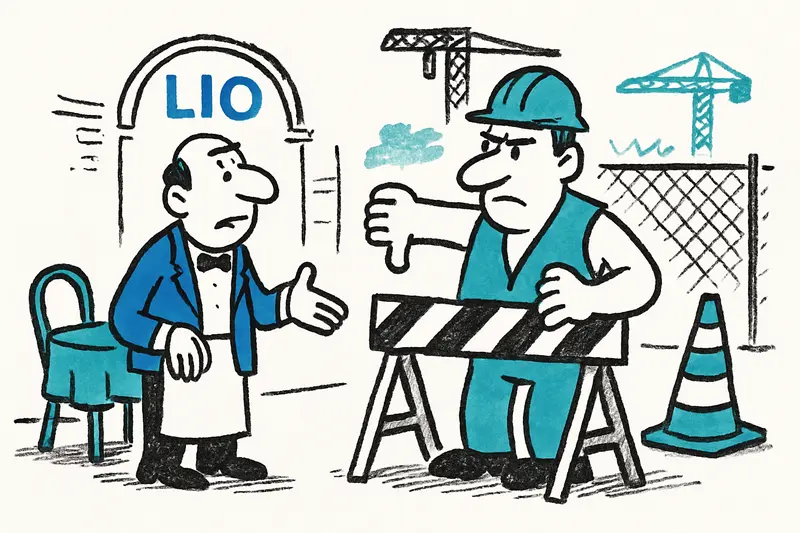
A Saturday evening on the Paseo Marítimo: cars circle searching for the few parking garages, taxi queues stretch, and visitors arriving by plane wait for rental car service delays. On Lío's terrace the view of the bay is normally a selling point, but this evening construction fences and site lights stand between the sea and the venue. Waiters run between tables with reservation cards and empty seats while a DJ set spills from the club area. The soundscape of waves, construction engines and screaming seagulls makes clear: glamour alone is not enough when logistics are lacking.
Concrete solutions
1) City coordination: the city and port authority should agree on binding schedules and compensation arrangements for businesses in construction zones. Short-term closures and cuts must be cushioned financially and organizationally. 2) Mobility concept: a coordinated parking and shuttle offering for events on the promenade could improve accessibility. Possible measures include event parking on the city outskirts with shuttles to the promenade or partnerships with parking garages and ride-sharing services. 3) Seasonal adjustment of the offering: operators must flexibilize parts of their concept — smaller, lower-cost shows in the off-season, pop-up events, culinary weeks with local partners so fixed costs can be better covered. 4) Collaboration with local actors: hotels, marinas and promoters could assemble package offers to attract international guests for longer stays. 5) Transparency and site selection: brands like Lío require stricter location assessment: accessibility, seasonal demand, infrastructure and an urban development plan should be clear before an investment.
What Lío and Palma can learn from each other
The situation is not a unique problem of one company, but a lesson for Palma as a stage for premium tourism. International brands bring radiance but also demand stable framework conditions. A city positioning itself as a top destination for nightlife and premium experiences must offer more than attractiveness: reliable infrastructure, short-term help during construction phases and a clear mobility concept.
Pithy conclusion
The early risk of failure for Lío is a wake-up call: glamour sells tickets, but sustainability sells a business model. If politicians, property owners and operators do not cooperate better, tables will remain empty in the low season and a silent curtain will fall over the Paseo. For Palma, this means: either adapt to reality—or keep watching great projects fail over logistical small things.
Frequently asked questions
Why did Lío in Palma run into problems so soon after opening?
Can a luxury nightlife venue in Mallorca survive the low season?
Is parking on the Paseo Marítimo in Palma a real problem for nightlife venues?
How long can major construction works affect businesses in Palma?
Why do premium venues in Mallorca need a longer season than ordinary restaurants?
What can Palma do to support venues affected by roadworks and construction?
What is special about Lío in Palma compared with a normal restaurant or club?
What lessons does the Lío case offer for nightlife in Mallorca?
Similar News

Warning to Bathers: Nipping Fish in Cala Major and Other Coves — a Reality Check
In Cala Major and several beaches around Mallorca, bathers report painful “nips”. Who are the animals, why are they gett...

Rental Car Theft in El Arenal: What This Incident Reveals About Our Gaps
A teenager steals a running rental car in El Arenal, flees on foot, climbs over walls and is caught by the Guardia Civil...

Red Rope in Palma's Library: What Helps Against Selfie Tourism — and What's Missing
Palma's city library cordoned off an area with a red rope to keep selfie tourism away from reading and working activitie...

Fort San Carlos: Museum, Harbor Dispute — and a Conflict That Demands Answers
The military museum at Fort San Carlos sits right on Palma's harbor, with unexpectedly quiet rooms filled with cannons a...
Old Town Under Pressure: When a Doorway Becomes a Sleeping and Shower Place
For months a woman has been living with a parasol, a clothes rack and personal belongings next to the social welfare off...
More to explore
Discover more interesting content

Can Cap de Bou

Townhouse Lleo 72
