

Mallorca Between Megayachts and Caravans: Why the Gap Keeps Widening
Mallorca Between Megayachts and Caravans: Why the Gap Keeps Widening
The Balearic Islands report record numbers of top earners alongside a growing number of people with very low incomes. A sober assessment looking at everyday life, causes and concrete steps.
Mallorca Between Megayachts and Caravans: Why the Gap Keeps Widening
Key question: How can an island that attracts ever more super-rich people simultaneously accommodate growing poverty?
In the early morning on the Passeig Mallorca, when delivery vans roar past the café and the market traders at the Mercat de l'Olivar sort the last boxes, you can see two Mallorcas at once: expensively parked SUVs and people at the bus stop asking for work. The tax return data for 2024 paint an equally clear picture: 698 taxpayers in the Balearic Islands reported an annual income of at least €600,000 in 2024 – 26 percent more than a year earlier and twice as many as five years ago. At the same time, 185,924 people declared less than €12,000 per year, which is around 28.23 percent of all taxpayers, as discussed in Balearic Islands in the Price Squeeze: Who Can Still Afford Mallorca?.
Critical analysis: The statistics do not reflect a law of nature, but political outcomes. High incomes are concentrated in very few hands; their wealth affects rents, land prices and services. At the same time, hundreds of thousands remain employed in sectors with seasonal work, low wages and precarious contracts. The middle class, which sits between these poles, is hardly growing; real wages are being eroded by rising housing, energy and transport costs, documented in Rising Cost of Living in Mallorca: Who Pays the Price?. In short: the island boom creates winners and losers – and public infrastructure hardly serves both equally.
What is missing from public debate: Most discussions focus on yachts, luxury properties and sensational tax figures, and less often on the mechanisms that perpetuate this development, as reported in Sky-high prices, tents, empty promises: Why Mallorca's housing crisis is no longer a marginal issue. There is a lack of debate about local tax models, vacancy registries, long-term rent regulation and how much revenue wealthy second homes actually contribute to municipal budgets. The issue of precarious employment in hospitality – waitresses, cleaners, seasonal farm workers – also often falls out of the headlines, even though the daily reality of many people is decided here.
Everyday scene: In the Mercado del Olivar in July you hear the hum of air conditioners, the clatter of boxes and conversations in Spanish, Catalan and German. A vendor who has worked there for years says among oranges and fish, 'My sister's rent has gone up, she had to move out of the neighborhood.' Statements like this are not isolated; they are heard in the gardens of Santa Catalina just as much as in Portixol and along Palma's promenades.
Concrete solutions that could work in Mallorca: First, use local tax instruments. Higher property taxes on vacant luxury apartments and stricter rules for short-term tourist rentals would relieve pressure on housing. Second, targeted social housing and cooperative housing construction – municipal programs that buy or rezone land combined with long-term tenancy agreements. Third, wage and skills programs for seasonal workers, including transparency about contract types and stronger enforcement against illegal employment, an issue explored in Why so many people on the Balearic Islands have two or three jobs. Fourth, mandatory quotas for affordable housing in new developments and simpler approval procedures for non-profit building projects. Fifth, a publicly accessible platform to record vacancy and ownership structures that would enable municipalities to act.
Financing proposals: Revenue from a more progressive property tax and a special levy on extremely high-priced properties could be earmarked for social housing and strengthening collective services (childcare, health centers). Regional funding instruments and EU structural funds could be used to complement these measures precisely if projects have clearly measurable social goals.
Obstacles and side effects: There are legitimate concerns – investor flight, legal hurdles and lobbying pressure. But cities that remain inactive risk public spaces becoming impoverished, supply chains for workers breaking down and neighborhoods tearing apart. Without accompanying social measures and dialogue with residents, interventions remain ineffective or counterproductive.
My appeal: The numbers are not a shock, they are a wake-up call. Political action is needed that thinks income, housing and employment together. Decisions that will shape the next decade are being made in bars on Avenida Jaime III, on construction sites in Palma and in suburbs like Llucmajor. If Mallorca is to remain a place to live – not just a backdrop for luxury lifestyles – now is the time for bold, pragmatic policies that respect property rights while restoring social balance.
Conclusion: More super-rich people and more people with mini-incomes at the same time are not a coincidence. This is the result of market logics, incomplete regulation and hesitant politics. Without clear tax policy, affordable housing options and stronger rights for workers, the island risks drifting apart. And you don't hear that only in the numbers – you hear it at the market hall when a mother compares prices and says, 'We used to be able to breathe here.'
Frequently asked questions
Why is Mallorca seeing a widening gap between luxury living and low-wage workers?
What local tax tools could help ease Mallorca's housing pressure?
Could social or cooperative housing work in Mallorca?
What policies are proposed to protect seasonal workers in Mallorca's hospitality sector?
How might Mallorca regulate short-term tourist rentals to balance housing supply?
What are the main obstacles to implementing housing and labor reforms on Mallorca?
How could funding support housing and social services on Mallorca?
What everyday signs show the housing and wage gap in Mallorca?
Similar News

From Deposit to Arson: How a Dispute over Jet Skis in El Molinar Escalated
After a nighttime fire in El Molinar a detainee is in pretrial detention. How could a conflict between a rental company ...

Lying Instead of Standing: How Prone Paddling Is Conquering Mallorca's Waters
On your belly across the sea — prone paddling is bringing fresh energy to Mallorca's watersports. Where to start, which ...
Housing Shortage in Mallorca: Assessment, Questions, Proposals
Over 2,000 new housing units through repurposing and special rules – sounds like a success. But do they really help peop...
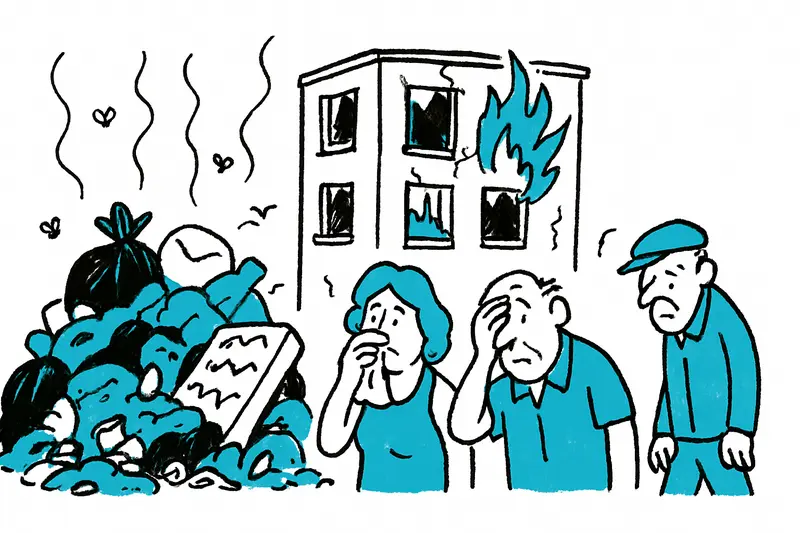
Garbage, Stench, Fire Risk: What Is Really Going Wrong in Son Bauló
An apartment ensemble illegally built for years near Son Bauló is falling into disrepair, largely occupied and creating ...

Legat on Mallorca: Between Football Dreams and Political Alarm
The former pro is intervening in German politics from Mallorca – loud, emotional, without much detail. What does that br...
More to explore
Discover more interesting content

Boat Tour with BBQ along Es Trenc Beach

Private transfer from Mallorca Airport (PMI) to Pollensa
