
Alarm at Playa de Palma: How the New Pickpocket Tricks Work — and What We Should Do About It
Alarm at Playa de Palma: How the New Pickpocket Tricks Work — and What We Should Do About It
A recently posted social media video shows groups at Playa de Palma deliberately targeting older and intoxicated holidaymakers. A critical analysis: what's missing in the public discourse and which measures would actually help.
Alarm at Playa de Palma: How the New Pickpocket Tricks Work — and What We Should Do About It
Key question: How can holidaymakers and those responsible at Playa de Palma react so that videos of thefts do not become normalised?
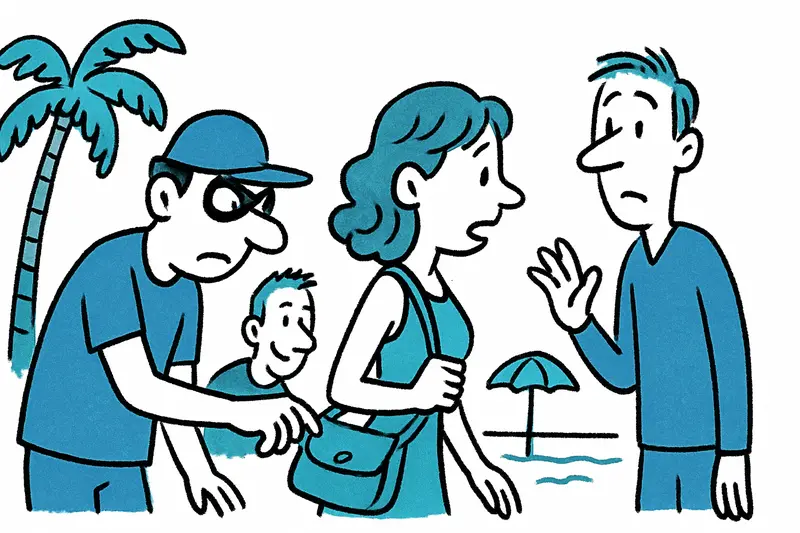
A video recently circulating from the area, shown in New Tricks at Ballermann: How Pickpockets Exploit Playa de Palma — and What Actually Helps, shows something many here already know as everyday reality: a group of young people approaches from behind, one member reaches in, and the victim keeps walking without noticing. Not spectacular, but effective — and dangerous, because the perpetrators rarely act alone and specifically target people who have been drinking or older tourists.
Critical analysis: The problem has several layers. On the street the thieves operate according to simple rules: create proximity, cause a distraction, make a quick grab. Viewers only see the moment of the theft; the full picture with preparation, escape routes and accomplices often remains invisible, as cases such as Pickpockets Stopped in Port d’Andratx – What the Case Reveals About Crime Tourism show. Authorities and hoteliers talk about prevention, but in practice there is a lack of consistent, visible police presence along the promenade, of clear signage about the danger, and of low-threshold contact points for victims who do not speak the local language; this is discussed in Night raid at Playa de Palma: assessment, questions and what's missing.
What is too often missing in the public debate: the role of everyday conditions — loud music, crowded beach bars and rolling suitcases create a surface where small offences go unnoticed. The discussion often focuses on reports and arrests, as summarised in Palma takes stock: Arrests made — is that enough to make beaches safer?; there is little talk about immediate help at the scene, simple prevention rules available in several languages, or the responsibility of local businesses.
A typical everyday scene from Playa de Palma: It is early evening, 33 °C, the sun still hangs low and the palms cast long shadows over the promenade. Schlager music drifts from a bar, e-scooters ring, vendors shout their offers. At the corner where the sunbed rows are denser you see older couples studying maps, next to them a group of young people laughing. It is exactly in this jumble that gaps appear which pickpockets exploit — brief touches, a quick tug at a bag, and a wallet is gone.
Concrete solutions that help more than headlines: First, targeted presences at key points during peak times — visible, on foot and on bicycles. Second, multilingual information stands or mobile info cards in German and English at hotel receptions and beach access points. Third, simple technical aids: additional, clearly visible CCTV cameras with quick access for response teams and better functional lighting in the evening hours. Fourth, local campaigns: short, pragmatic and repetitive — like reminders to carry bags in front, keep money in inner pockets or use RFID protection for cards. Fifth, cooperation with bars and beach stalls: staff trained to spot subtle signals when groups behave suspiciously; employees should know how to raise the alarm discreetly.
One recurring point: language barriers. If reports are only completed after hours of translation, time is lost — and traces. A practical step would be a rotating pool of translators during weeks with high visitor numbers or a phone hotline with immediate language mediation into German.
What victims themselves can do: Conscious behavior protects more than technology. Small routines help — keep money separated, wear zipped handbags at the front, do not leave documents lying open. If you see warnings on social media, share them but do not panic: notify the police, inform the hotel and, if necessary, block cards immediately — these are effective first steps.
Conclusion: The footage from the video is unpleasant but useful — it shows patterns, not isolated incidents. More than outrage is needed: visible presence, practical advice in several languages, simple technical support and cooperation from businesses along the promenade. For now: stay alert when people are laughing, keep bags closed, watch out for your neighbour. Playa de Palma should not become a training ground for pickpockets.
Frequently asked questions
What is the best time to visit Mallorca for good beach weather?
Can I get around Mallorca without renting a car?
What activities are suitable for families visiting Mallorca?
What should I pack for a trip to Mallorca?
Is the water safe for swimming on Mallorca's beaches?
How does Mallorca's weather change across the year?
Which areas are best for a relaxed city break in Mallorca?
Are there sustainable travel tips for Mallorca?
Similar News
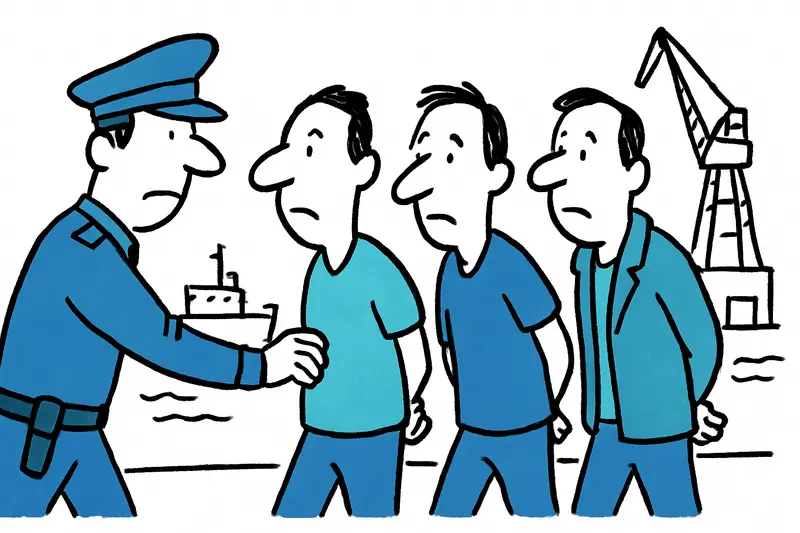
Arrest at the Port: Three Suspected Pickpockets Left Mallorca After Series of Thefts
The National Police stopped three men at Palma harbour who are accused of several thefts at the airport. How could the g...
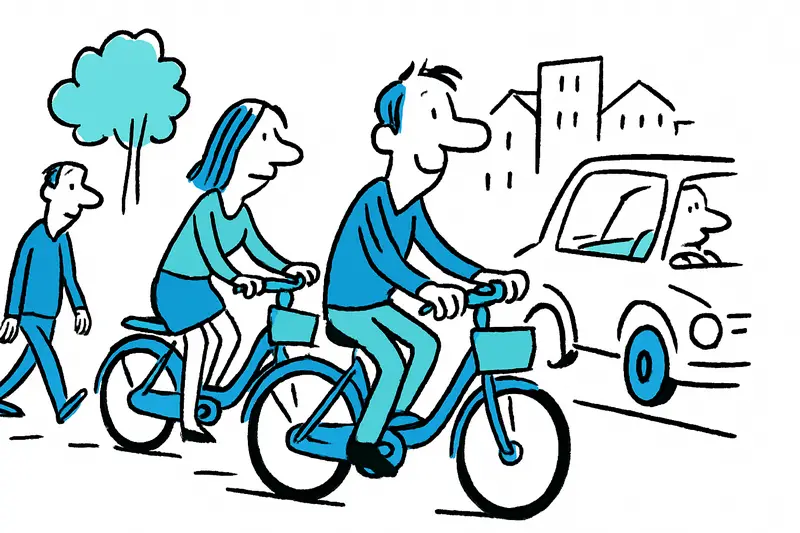
Palma's Rental Bike Boom: More Bikes, More People, More City Life
Since Bicipalma was opened to non-residents, the system has noticeably grown. Students, residents and tourists bring lif...
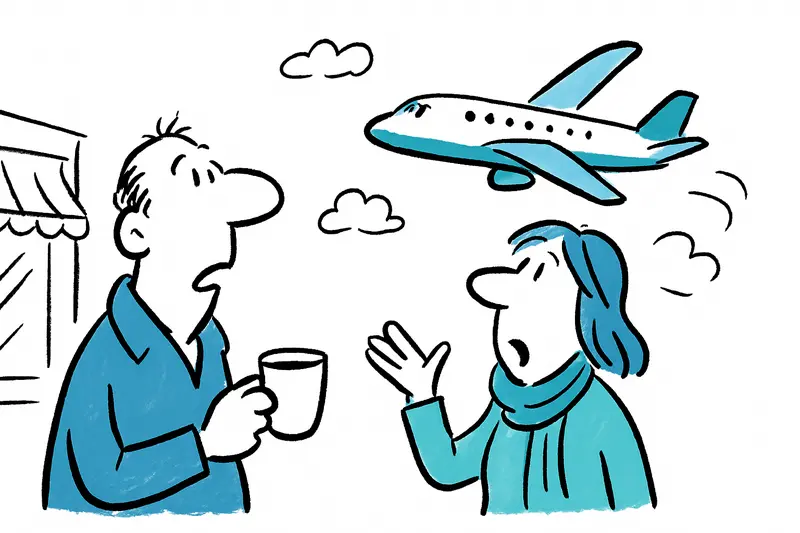
Palma–Lyon in Winter: Two Weekly Flights Bring Fresh Momentum
From October Transavia France will connect Palma and Lyon in winter as well: Wednesdays and Saturdays, around 17,000 sea...
Budget holidays in Mallorca: What thriftier tourists really mean
Visitors are spending less: shorter stays, fewer restaurant visits, fewer excursions. A reality check for Mallorca's eco...
Mallorca gets winter link to Lyon: Transavia France flies from October
Transavia France will launch a winter direct connection Palma–Lyon from late October: twice weekly, around 17,000 seats ...
More to explore
Discover more interesting content

Boat Tour with BBQ along Es Trenc Beach
Private transfer from Mallorca Airport (PMI) to Pollensa
