
A Moment — and Nothing Is the Same: A Reality Check After the Broken Neck at Playa de Palma
A Moment — and Nothing Is the Same: A Reality Check After the Broken Neck at Playa de Palma
A 19-year-old dived headfirst into a 60 cm pool and suffered a severe cervical spine injury, later medevaced by ADAC. What can we learn from this?
“A Moment — and Nothing Is the Same”: A Reality Check After the Broken Neck at Playa de Palma
Guiding question: Why does the risk of serious bathing accidents at tourist pools in Mallorca so often remain a “that only happens to others” scenario, and what concrete changes would be necessary?
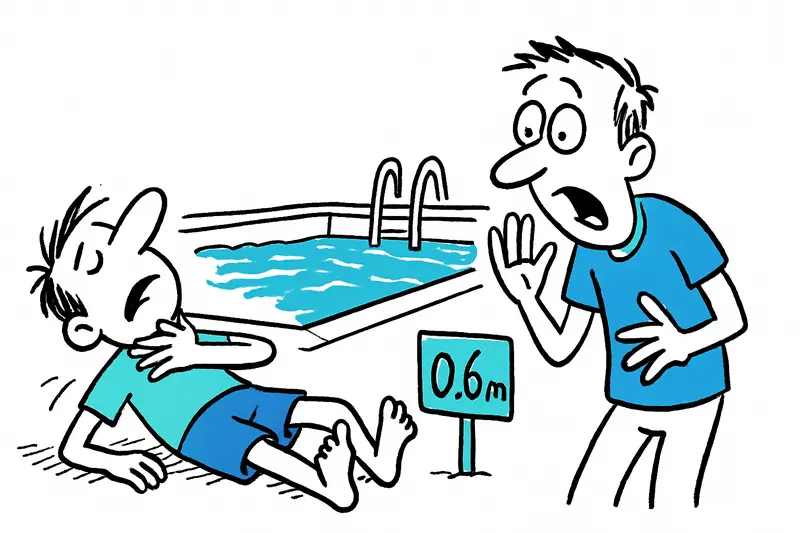
The case is as simple as it is dramatic: A 19-year-old on holiday at Playa de Palma with friends dives headfirst into a hotel pool that was only around 60 centimetres deep at that spot. The result: two fractured cervical vertebrae, a laceration to the head, days in the intensive care unit of a private clinic in Palma, and finally a medical repatriation by ADAC to the area near Lübeck. On his channel the young man reports how quickly and unexpectedly a spontaneous idea became a life-changing event.
Walking along Playa de Palma in high season you hear the typical mix of music buses, chatter, the squeak of sunbeds and the distant hum of party venues. In that soundscape spontaneous decisions happen: a friend suggests “let’s jump in quickly,” a photo must be taken — and no one asks about the depth. This everyday scene is worth remembering because it explains the risk: distracted groups, sometimes alcohol, and a lack of attention to infrastructure notices. Similar risky impulses can also be fatal elsewhere on the island, as noted in When Dares Turn Deadly: Examining Cliff Jumps on Mallorca's East Coast.
Critical analysis: Responsibility is spread across several levels. Guests bear personal responsibility — but hotels, operators and municipalities must create conditions in which such lapses of attention do not end in catastrophe. In this case the water depth at the decisive spot was clearly unsuitable for diving. Missing or inadequate signage, unclear pool rules, no monitoring by staff and the usual holiday hustle all contribute to risky actions becoming normalised. Other incidents such as Early-Morning Fall at Playa de Palma: German Tourist in Critical Condition underline the point.
What is missing from the public debate? We talk a lot about noise control at Ballermann, about litter and order, but hardly about preventive safety at hotel pools: mandatory rules for marking depth information, obligatory notices in several languages, regular supervision especially in heavily frequented establishments. Also rarely discussed: clarity about insurance coverage for foreign guests, emergency procedures for severe incidents and transparency about local medical costs. Recent reporting such as Dead Tourist at Playa de Palma: An Accident Raises Many Questions highlights these complexities.
A concrete everyday scene from Palma: An ambulance stops on the Passeig Marítim, blue lights reflecting on wet tiles. Paramedics carry in what they can; relatives stand under the spotlight of uncertainty. Such minutes drain strength and show how much every delay matters — whether in first aid at the pool, swift transport to hospital or communication with families abroad. Similar scenes played out in Careless Moment in Llucmajor: Family Rescues Two-Year-Old from Pool – Medical Teams Fight for His Life.
Concrete measures that could be implemented on site:
- Clear, mandatory depth markings: Required signs at every pool edge, visible from sunbeds and walkways, in Spanish, English and German.
- Standardised pool-edge design: Coloured edges or textured strips that warn at danger spots, similar to pools in Germany.
- Staff and supervision: At least in busy hotels scheduled checks by trained staff, especially mornings and evenings, to watch for risky behaviour.
- Information before booking: Hotel websites should provide detailed information on pool sizes and depths; operators and travel insurers could include this in terms and conditions or notices.
- Awareness campaigns: Short videos at pool bars or on hotel TVs showing typical dangers — not in a scolding tone, but with clear examples and brief rules.
Legally there are open questions: If a guest dives despite warning signs, responsibility differs from when signs are absent. But hotels must act proactively to minimise liability risks and protect people. Services like ADAC medical repatriations show how expensive and complex medical evacuations can be — an aspect young travellers often underestimate.
What can each person do? Eyes open instead of the photo: when approaching an unfamiliar pool, stop first, check the depth, observe other guests. Call out to friends if someone seems to be about to do something risky. And when in doubt, call the staff — in many cases a single word is enough to stop a dangerous idea.
Conclusion: This accident is not an isolated piece of bad luck, but a warning signal. Mallorca lives off its visitors, and infrastructure must be adapted accordingly. One more sign, a regular patrol, a short warning video — these are not large investments, but measures that can save a life. For the young man from Schleswig-Holstein a single moment changed everything. For the island it would be a shame not to learn from it.
Frequently asked questions
When is the best time to visit Mallorca for pleasant weather?
Are Mallorca beaches suitable for swimming year-round?
What should I pack for a trip to Mallorca?
Is Mallorca good for road trips and day trips?
What outdoor activities are popular in Mallorca for nature lovers?
How does the weather vary across Mallorca during the year?
Are there family-friendly beaches to choose from in Mallorca?
What should I know about rainfall and sea conditions during Mallorca's shoulder seasons?
Similar News
So Many Tonnes: What Mallorca's Garbage Boats Accomplish — and What's Missing
23 boats patrol in summer, and 36.8 tonnes were recently pulled from the water. The fleet is shrinking — is that still e...
No Identification Documents on the Steep Slope: Body near Tolleric Raises Questions
The body of an elderly man was found over the weekend in a wooded area near the cliffs of Tolleric. He had no identifica...
Arrest at the Port: Three Suspected Pickpockets Left Mallorca After Series of Thefts
The National Police stopped three men at Palma harbour who are accused of several thefts at the airport. How could the g...
Palma's Rental Bike Boom: More Bikes, More People, More City Life
Since Bicipalma was opened to non-residents, the system has noticeably grown. Students, residents and tourists bring lif...

Palma–Lyon in Winter: Two Weekly Flights Bring Fresh Momentum
From October Transavia France will connect Palma and Lyon in winter as well: Wednesdays and Saturdays, around 17,000 sea...
More to explore
Discover more interesting content

Boat Tour with BBQ along Es Trenc Beach

Private transfer from Mallorca Airport (PMI) to Pollensa
