
Solitary Rocky Coves in the Northeast: Peace Instead of Tourist Crowds
Solitary Rocky Coves in the Northeast: Peace Instead of Tourist Crowds
If you're tired of sandcastles, you'll find quiet, rocky coves around Cap Ferrutx in Mallorca's northeast. A footpath from Colònia de Sant Pere to Betlem passes small beaches with no services — ideal for anyone seeking silence and an unspoiled coastline.
Solitary Rocky Coves in the Northeast: Peace Instead of Tourist Crowds
Why the path from Colònia de Sant Pere to Betlem is a good idea, especially in high summer
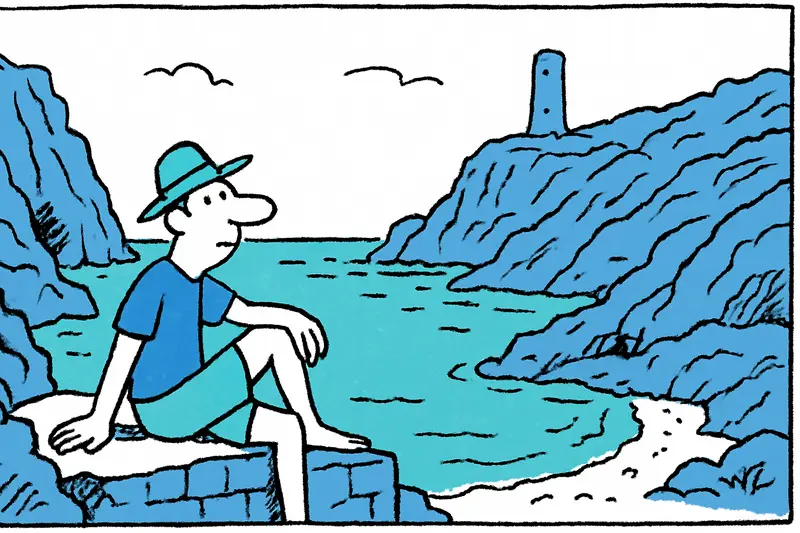
There are corners of Mallorca that sound as if time has forgotten them: rugged rock sections, narrow coves and paths that scrape close to the surf. In the northeast, on the eastern edge of the Bay of Alcúdia, you'll find exactly these places — far from the large beach crowds. When the heat presses down in Palma and the main beaches are overcrowded in July, I like to walk toward Colònia de Sant Pere, sit on a wall, breathe in the pine and sea air and listen to the cicadas chirp.
The footpath from the settlement to the small village of Betlem is practically an invitation to slow down. Along the way tiny coves open again and again: natural rock channels, smooth rock plates and small pebble areas from which you can jump into the clear water. Names like Sa Macada, des Camp Vells, Cala Fonda or Cala Mata don't appear on any big brochure as highlights — which is precisely why they are quieter. For people who don't need beach bars and entertainment but rather silence and a place to dive in, these are perfect destinations; for more on small rocky calas away from the beaches see Calm, Rocks, Sea – Mallorca's Quiet Coves Away from the Sand Crowds.
In the landscape the peculiar, column-like structures stand out: about twelve metres high, narrower at the top, roughly three metres at the base. These are so-called torres d’enfilació, ranging towers used between 1940 and 1945. They were once used for cross-bearing during naval exercises; until the 1970s they played a role in torpedo manoeuvres. Today fewer than two dozen of these towers remain, most between Can Picafort and Port d’Alcúdia. They are witnesses of another time and give the coast something surreal — like striking signposts for walkers with an eye for the past.
Further north lie the small coves Playa Na Clara and Es Vells Marins. The latter has a sad history: in 1958 the last known monk seal died there at the hands of the Guardia Civil — a chapter that shows how harsh the relationship between coastal communities and the sea once was; for information on the species' status see IUCN Red List entry for the Mediterranean monk seal. Even further out you reach Es Caló, the northernmost tip of Cap Ferrutx. When a strong Tramuntana or northerly wind blows, the sea crashes loudly against the old pier; on such days the water roars like a curtain that drowns out the rest of the world.
Practical notes: these beaches are untouched. There are no lifeguards, no toilets and usually no shade. A few bars and individual restaurants can be found in Colònia de Sant Pere or Betlem — there coffee is still made by hand and a chat with the owner costs nothing. If you seek a rougher coast, pack enough water, sun protection, shoes with good grip and respect nature: leave no litter, don't trample plants, and do not make fires.
For Mallorca this type of coast is important: it offers visitors a different experience than the wide sandy beaches and spreads the pressure on the island. Quieter coves attract nature-minded guests who use local businesses away from the hotspots — a small but valuable support for the coastal villages; for further ideas on peaceful short trips around the island see Exceptional Quiet Spots on Mallorca – Tips for a Relaxing Short Trip.
My tip: early morning light is soft and the air cooler; in the late afternoon the cliffs glitter in golden light. Those who come here should bring mindfulness and curiosity. Then you'll find your own little paradise — without a sunbed reservation, but with the real sound of the sea. For other favorite sunset locations on the island see Where to Find Mallorca's Most Beautiful Sunsets — My Favorite Spots.
In short: Cap Ferrutx and the coastal path from Colònia de Sant Pere to Betlem are ideal for walkers and swimmers who prefer peace and nature. No services, lots of nature — and stories in the stones.
Frequently asked questions
When is the best time to visit Mallorca for outdoor activities and beaches?
Are Mallorca’s beaches suitable for swimming all year, or are there seasonal limits?
What should I pack for a Mallorca trip to stay comfortable?
How easy is it to get around Mallorca without a car?
What family-friendly activities does Mallorca offer?
Which Mallorcan dishes should I try during a visit?
What are the must-see natural sights in Mallorca?
Are there etiquette tips or safety considerations for visitors to Mallorca?
Similar News

From Deposit to Arson: How a Dispute over Jet Skis in El Molinar Escalated
After a nighttime fire in El Molinar a detainee is in pretrial detention. How could a conflict between a rental company ...
Lying Instead of Standing: How Prone Paddling Is Conquering Mallorca's Waters
On your belly across the sea — prone paddling is bringing fresh energy to Mallorca's watersports. Where to start, which ...
Housing Shortage in Mallorca: Assessment, Questions, Proposals
Over 2,000 new housing units through repurposing and special rules – sounds like a success. But do they really help peop...
Garbage, Stench, Fire Risk: What Is Really Going Wrong in Son Bauló
An apartment ensemble illegally built for years near Son Bauló is falling into disrepair, largely occupied and creating ...

Legat on Mallorca: Between Football Dreams and Political Alarm
The former pro is intervening in German politics from Mallorca – loud, emotional, without much detail. What does that br...
More to explore
Discover more interesting content

Boat Tour with BBQ along Es Trenc Beach
Private transfer from Mallorca Airport (PMI) to Pollensa
