
Blood in the Sand of Palmanova: Who Protects Partygoers from Themselves?
Blood in the Sand of Palmanova: Who Protects Partygoers from Themselves?
During the St. John's celebrations in Palmanova a dispute escalated: a 25-year-old Italian was arrested and a Spanish man lost a tooth. What does this say about nightlife, alcohol and safety in Mallorca?
Blood in the Sand of Palmanova: Who Protects Partygoers from Themselves?
An incident during St. John's Night raises questions about alcohol, prevention and responsibility
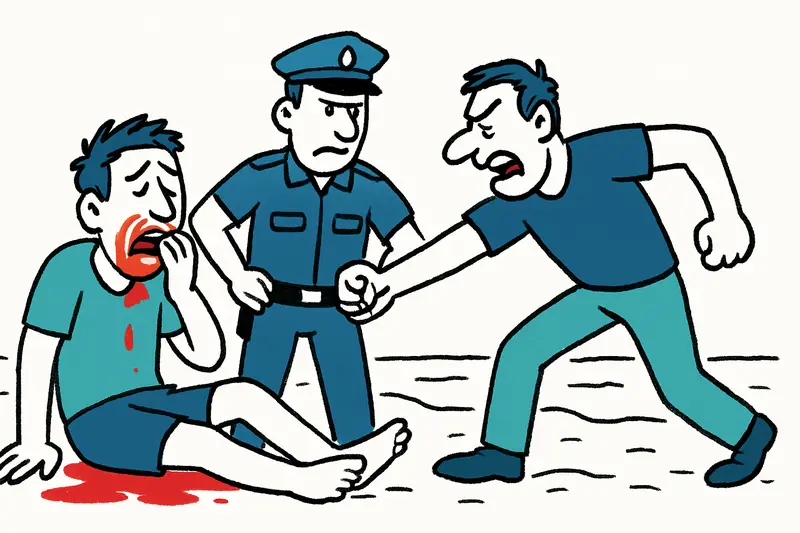
In the early hours of St. John's Night a celebration in Palmanova got out of control. According to available information, a 25-year-old Italian attacked another man; the Spaniard suffered serious injuries to his mouth area and lost a tooth. The Guardia Civil, which was monitoring the festival area, arrested the suspect and the case and investigation files were handed over to the judiciary. Emergency medical personnel treated the bleeding injured person on site. Observers described visible signs of heavy alcohol consumption in both parties; jealousy was mentioned as the alleged motive.
Key question: Why do nighttime celebrations repeatedly end in violence — and who will change the conditions that make this possible?
Critical analysis
The facts are clear, the causes less so. That two intoxicated men attack each other at night on the beach is not an isolated incident; similar episodes have included the Brawl at Playa de Palma: Why a verbal exchange could have ended fatally and broader coverage questioning Ballermann in Focus: How safe is Playa de Palma really?. Problem areas converge here: open celebrations on beaches during popular nights like Nit de Sant Joan, easy access to alcoholic beverages, physical crowding in festival zones and an atmosphere that fuels conflicts. The presence of the Guardia Civil is important, but the fact that officers only intervened after being alerted by citizens shows the limits of surveillance: police presence alone does not prevent every escalation. Medical first aid also worked — the victim was treated — but that is not enough to prevent the causes.
What is missing from the public discourse
Individual cases are often reported, rarely systemic issues: How many similar altercations occur during major celebrations? What role do vendors and bars that serve alcohol late at night play? How well are first aid points and medics set up on overcrowded beaches? And last but not least: what services exist for conflict mediation in heated situations when words no longer work? Without reliable figures and transparent reports, the discussion remains on symptoms.
A commonplace scene from Palmanova
Anyone who walks along the Paseo at Midsummer night knows the image: music from beach bars, footprints in the warm sand, small bonfires, the salty smell of the bay and the occasional shouting of young people celebrating summer. On such nights police patrols weave between parked cars, ambulances flash at emergencies, and officers with sand on their boots try to mediate; similar concerns were raised after the Nighttime Attack on the Paseo Marítimo: How Safe Is Palma’s Party Mile Really?. It was in this environment that the attack occurred; reason loses itself between music, alcohol and dark corners.
Concrete solutions
Punishing individual perpetrators is not enough. Suggestions that could help: clear alcohol sales rules during large events, better lighting and defined festival zones, visible but accessible first aid stations on the beach, dedicated conflict teams made up of local law enforcement and social workers, regular inspections of vendors and an information campaign in several languages about risky behavior on holidays. Organizers, municipalities and police must develop binding checklists: how many officers? Where are the medical tents? Who is the contact on site? Such measures are practical and verifiable.
Pointed conclusion
A lost tooth is a small yet painful symbol of a gap in night logistics: we have eyes and ears on site, but not always the capacity to act preventively. The detained suspect and the referral of the file to the judiciary are necessary; similar legal follow-up can be seen in Palmanova verdict: Two years in prison — and what Mallorca must learn now. But they do not solve the pattern that makes such violence possible. Palmanova is a place where the island celebrates — responsibility therefore lies not only with individuals but also with those who organize and secure the festivities. Those who take it seriously must now cooperate and create rules that protect nights rather than merely monitoring them.
Frequently asked questions
When is the best time to visit Mallorca for beach days?
What should I pack for a Mallorca trip in summer?
How does Mallorca's weather vary across the year?
Is it okay to swim in Mallorca outside peak summer?
What family-friendly activities can I enjoy in Mallorca?
What are easy ways to get around Mallorca without a car?
Are there affordable places to stay in Mallorca?
What should I know about Mallorca's rain and weather surprises?
Similar News

When Palma's Evening Meets Charity: Ritzi, Gold Busts and a Quiet Art Studio
An evening at the Ritzi, a raffle win, and quiet art confessions in Palma's galleries: how celebrity dinners and small o...
Drunk Driving in La Vileta: One Accident, Many Questions
A 51-year-old woman crashed into four parked cars in La Vileta. The breathalyzer showed 1.14 mg/l of alcohol — the city ...

Hug as a Distraction: When Tenderness Becomes a Theft Tactic
In Coll d'en Rabassa and Es Molinar, several older men have in recent weeks fallen victim to an unusual distraction thie...
Mallorca's hotel world bids farewell to José Luis Carrillo
José Luis Carrillo, founder and president of Hoteles Globales, has died. The industry remembers his long commitment to t...
Who will remove the derelict coaches? Four coaches block Es Cruce parking lot
Four decommissioned coaches stood for months on Via Palma in Manacor and have now appeared without permission on the par...
More to explore
Discover more interesting content

Can Cap de Bou

Townhouse Lleo 72
