
Chaos Above the Clouds: Drunk Passenger Escalates on Ryanair Flight to Palma
Chaos Above the Clouds: Drunk Passenger Escalates on Ryanair Flight to Palma
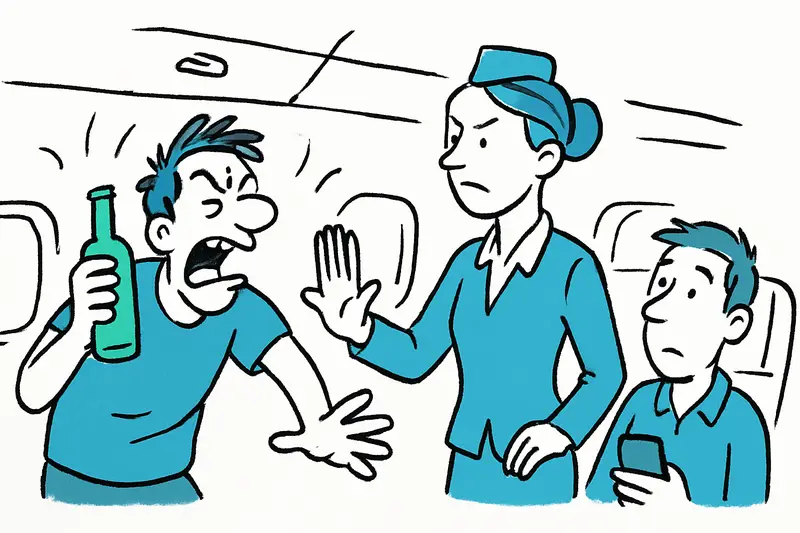
A passenger who appeared intoxicated caused violence and unrest on the flight from Edinburgh to Palma. After an argument with his partner he attacked flight staff and later a Guardia Civil officer. Why is the current safety net not sufficient?
Chaos Above the Clouds: Drunk Passenger Escalates on Ryanair Flight to Palma
Leading question: How well are fellow travelers and crew protected when alcohol and tempers collide in a confined space?
A routine summer flight ended in the metal shed at Palma airport with handcuffs and an agitated cabin. A man, apparently heavily intoxicated, got into an argument with his companion aboard a Ryanair flight from Edinburgh to Palma. The confrontation escalated, the cabin crew had to intervene, a fellow passenger filmed the incident, and after landing officers from the Guardia Civil subdued the troublemaker.
The known facts are sparse: dispute, signs of alcohol, loud behavior, an attack on law enforcement and an on-the-spot arrest. Less visible are the mechanics of such incidents: How does loud quarrelling turn into a physical assault? And how well prepared are crew, police and airport staff to resolve such situations quickly, safely and lawfully? Cases such as When a Female Martial Artist Strikes On Board: Security Gaps We Must Not Overlook illustrate these challenges.
The immediate scene at the airport is easy to imagine: rolling suitcases clatter over the floor of Terminal B, announcements in Spanish and English echo through the hall, it is 28 °C outside and the smell of sunscreen mixes with cigarette smoke by the exits. Travelers, some tired from the journey, others tense, stand in line — and it is exactly in this crush that such escalations often end up, because no one has enough space, time or information to de-escalate.
Critical analysis: there is a triangle in which most incidents of this kind arise: availability of alcohol before and on board, limits of preventive control during boarding, and the capacity for de-escalation by crew and security forces. Airports have become shopping malls; alcoholic drinks are available at any time. Airlines, for their part, have sometimes strict rules, as in No boarding to Palma: Ryanair stops intoxicated passenger at Memmingen Airport, but enforcing them is a logistical and legal balancing act. And on board there are people; crew members are trained, but often not equipped to manage physical assaults over extended periods without endangering the safety of everyone.
What is missing from public debate? Two things: first, transparency about follow-up processes after such arrests (Which charges are filed? What penalties are possible? Is there a ban on future flights?), and second, a sober debate about preventive measures at the airport without loud moralizing. Too often discussions get bogged down in blaming the passenger or the airline, instead of demanding solutions that protect travelers, crew and authorities alike.
Concrete approaches that would make sense in practice on Mallorca: better interfaces between airport security, airlines and the Guardia Civil already before boarding. If couples appear clearly intoxicated when boarding, there should be clearly regulated procedures: observation, targeted approach, and if necessary, refusal to board with a documented explanation. That requires staff who master both legal grounds and de-escalating communication.
On board the crew needs little bureaucracy, but clear instructions and support from the airline, as incidents like Frightening Seconds over Palma: Two Flight Attendants Injured remind us of crew vulnerability. This includes standardized incident documentation forms that secure legal footholds, and fixed reporting contacts to the local police that are ready to act upon landing. The Guardia Civil in Mallorca is fast, but only effective if informed and prepared in advance.
On airport premises, shops and bars should be sensibly regulated: limits on sales to visibly heavily intoxicated persons and information boards that point out consequences. This can reduce spontaneous alcohol consumption before boarding. Important: measures must be transparent and controllable, otherwise we end up again with accusations of arbitrary decisions.
A small practical step I often see in Palma: visible service staff presence that, in a friendly tone, immediately passes observed concerns on to the airline. Not as "snooping", but as a protective mechanism for the majority of travelers.
Conclusion: A scuffle on board is more than a spectacular anecdote. It reveals gaps in the structure of prevention, intervention and follow-up. Palma is a transport hub in high season; every incident in the air has local consequences on the ground: delayed baggage delivery, nervous families, officers working overtime. We need clear, practicable rules for alcohol at and in the aircraft, reliable boarding procedures and more transparency afterwards. Otherwise such scenes will repeat — and with each incident the sense of security for everyone traveling across the island decreases. An example of timely intervention is reported in Smoke in airplane toilet: Guardia Civil intervened after landing in Palma.
Frequently asked questions
What happens when a passenger becomes intoxicated on a flight to Palma?
How are pre-boarding checks handled when a traveler appears intoxicated heading to Mallorca?
What is the role of the Guardia Civil in alcohol-related flight incidents to Palma?
What practical steps could Mallorca airports take to reduce alcohol-related incidents?
What should travelers know about on-board behavior and alcohol rules for flights to Mallorca?
How does Palma Airport handle the aftermath of disturbances in terms of baggage and schedules?
What practical tips help travelers stay safe at Palma Airport during busy season?
What should I pack for a summer visit to Mallorca?
Similar News
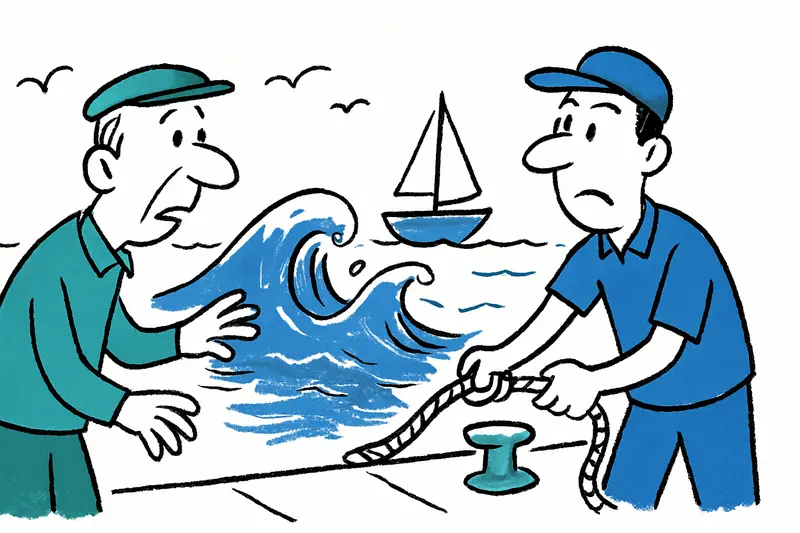
Mini-tsunamis in Mallorca: Harmless natural phenomenon — or an underestimated danger?
Two harbor towns in Mallorca recorded unusual water level fluctuations. An analysis: How rissagas form, who is at risk —...
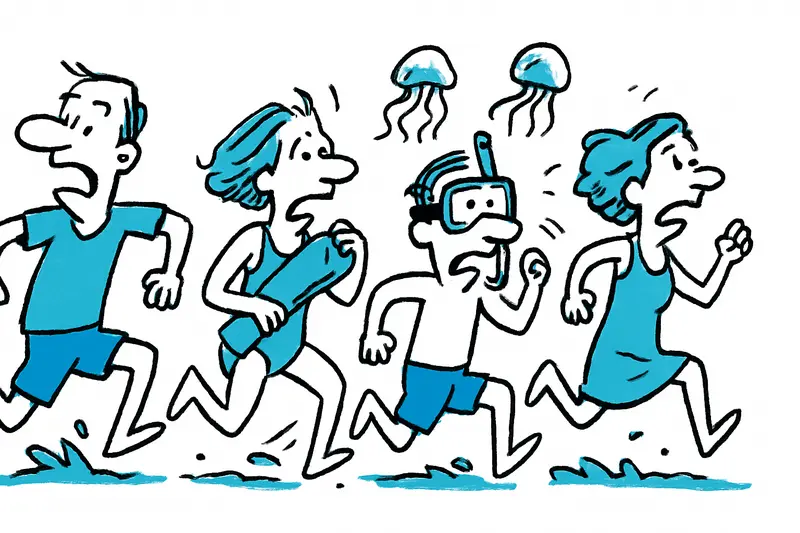
Stinging jellyfish in Cala Banyalbufar: Why everyone suddenly fled the water
In Cala Banyalbufar, Pelagia noctiluca washed up in droves. A personal account of why this is no coincidence, what is of...
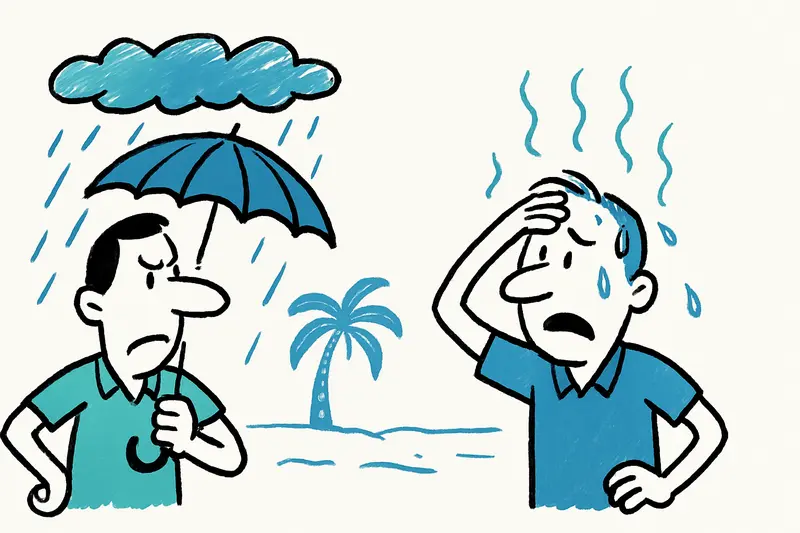
New low-pressure trough brings rain — and the heat remains: What's missing in Mallorca?
A short, intense window of showers hit Mallorca, yet the air remained muggy and warm. Key question: Why does rain hardly...

Klaus-Michael Kühne has died: The entrepreneur who gave Mallorca a second home
He first arrived on the island at 60; later the holiday house became Castell Son Claret – a hotel, a music venue and an ...

Buying Instead of Moving Away? Why Every Fourth Property Owned by Balearic Residents Isn't Located Here
Almost a quarter of the apartments purchased by Balearic residents are located on the Spanish mainland. A concise analys...
More to explore
Discover more interesting content

Boat Tour with BBQ along Es Trenc Beach

Private transfer from Mallorca Airport (PMI) to Pollensa
