
When Summer Becomes a Burden: Mallorca Between Tourism and Overheating
When Summer Becomes a Burden: Mallorca Between Tourism and Overheating
Higher temperatures, more expensive travel and growing complaints — summer on Mallorca is changing. An assessment of what is missing and what should happen now.
When Summer Becomes a Burden: Mallorca Between Tourism and Overheating
Why the Island Needs to Rethink Its High Season
Guiding question: How long can hotels, tour operators and municipalities maintain a high season that is uncomfortable for guests and taxing for employees?
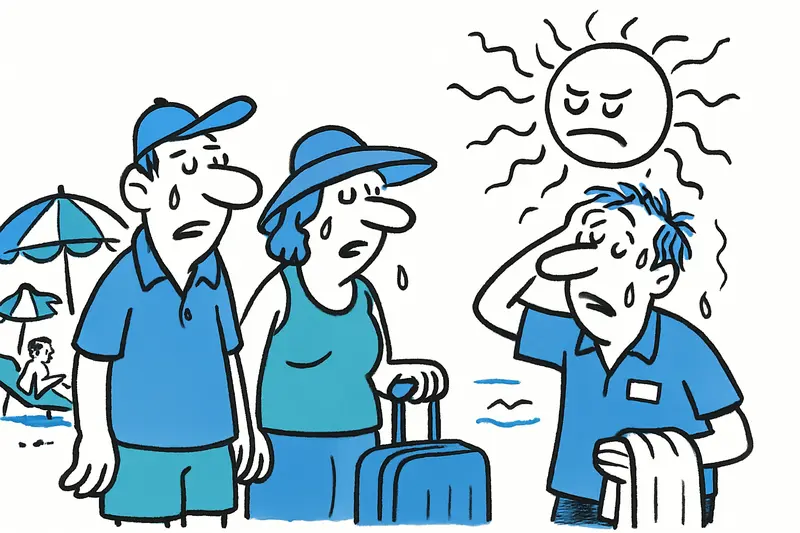
On a July morning in Palma: the sun beats down on the Paseo del Borne, coffee steams on the terraces, and older residents push their shopping bags into the shady bustle of the Rambla. At Playa de Palma families with small children try to find gaps of shade under a parasol — often in vain. Air conditioners are running at full power, yet nights remain hot in many guesthouses and holiday apartments. The sounds of trams, cars pulling out and the distant honk of a delivery van mingle with quiet complaints about sleepless nights, as described in Nearly 40 °C: Mallorca's Daily Life Under Heat Stress — How the Island Can Respond.
The figures reported by tour operators are no coincidence: bookings for July and August have fallen by about five to seven percent, while prices have risen noticeably. At the same time, providers report a higher rate of complaints — guests complain more often about inadequate climate comfort. Bookings are also noticeably shifting to cooler destinations such as Scandinavia or the Baltic coast. For the island this is not only a short-term booking issue but an economic warning sign.
Critical analysis: What we see is more than a market whim. Heat changes the holiday experience. High outdoor temperatures reduce the quality of stay: excursions take place early in the morning or in the evening, beach days lose their appeal, and midday dining slows down. Hotels without powerful air conditioning must expect losses — not only in occupancy but also in reputation. If these structural problems are not addressed, a two-tier tourism system will harden: modern resorts with expensive systems versus simple accommodations that are avoided by families and price-conscious guests.
What is missing in the public debate: The discussion often revolves around guest preferences and operator strategies. Too seldom do we talk about the energy and water demand created by widespread cooling. If hotels upgrade their air conditioning every year, pressure on the power grid grows; at the same time, freshwater use for pools and green areas increases in already dry summers, an issue highlighted in When Mallorca Cooks: How Prepared Is the Island for the Next Heatwave?. The situation of employees is also underexposed: cleaners, service staff and bus drivers work in extreme heat, often without adequate breaks or protection measures. And last but not least, an honest discussion about social consequences in the communities is lacking: if prices continue to rise, the guest profile shifts — this affects local businesses and the housing supply, as stressed by reports calling recent peaks a stress test for people and infrastructure like Heatwave reaches 42 °C: How Mallorca should cope with the new temperature peak.
Concrete solutions that could take effect immediately:
1) Minimum standards for sleeping comfort: A clear requirement specifying what cooling capacity an accommodation must demonstrate during certain temperature periods. Combined with a subsidy program for smaller businesses so that not only large chains can upgrade.
2) Shading systems and vegetation programs in tourist hotspots: More trees along promenades, shaded walkways in towns and parking planning that reduces heat storage. Such measures lower local temperatures and make midday hours more bearable.
3) Seasonal redistribution of marketing: Instead of relying solely on July/August, municipalities and associations should strengthen the shoulders of the season. Market spring and autumn more deliberately and create incentives for weekend trips in the off-peak months.
4) Workplace heat and health protection: Binding regulations for breaks, access to water and temperature limits in work areas. Subsidized mobile rest areas for outdoor workers would be a pragmatic first step.
5) Energy planning and sustainability: Promotion of solar power for hotels, intelligent control of air conditioning systems, and energy storage for peak loads. A local levy on particularly water-intensive facilities could provide earmarked funds for regenerative green space projects.
6) Cooperation with tour operators: Tour operators can make booking windows more flexible to make package deals in cooler months more attractive. They should also require clear quality standards in their catalogs and support smaller businesses in retrofitting.
A concrete example: A small family guesthouse in Cala Millor invests in fans, better ventilation and a green facade instead of an expensive central air conditioning system. This achieves incrementally better nights for guests with significantly lower energy demand. Such intermediate solutions should be promoted.
Concise conclusion: Mallorca is not facing a choice between continuing to rely on full beds in high summer and ignoring climate change. The island must now create conditions under which holidays in summer warmth remain pleasant — for guests and for the people who live and work here. That means technology, urban planning and social rules must work together. If they do not, the island will cede market share to cooler destinations — and lose diversity and quality of life in the long term.
Frequently asked questions
Is Mallorca still comfortable to visit in peak summer?
Why are more travellers choosing cooler destinations instead of Mallorca in July and August?
What should I pack for a hot summer holiday in Mallorca?
Are beaches in Mallorca still pleasant during the hottest part of summer?
Is Palma harder to get around during very hot weather?
Why are hot summers a problem for hotels in Mallorca?
Is Cala Millor a place where smaller hotels can adapt better to heat?
What can Mallorca do to make summer tourism more sustainable?
Similar News
Palma, Palma de Mallorca, Palma‑Mallorca: What is it really about?
The debate over the city's name is more than grammar: it concerns identity, law and branding policy. A sober reality che...
Warning to Bathers: Nipping Fish in Cala Major and Other Coves — a Reality Check
In Cala Major and several beaches around Mallorca, bathers report painful “nips”. Who are the animals, why are they gett...

Rental Car Theft in El Arenal: What This Incident Reveals About Our Gaps
A teenager steals a running rental car in El Arenal, flees on foot, climbs over walls and is caught by the Guardia Civil...

Red Rope in Palma's Library: What Helps Against Selfie Tourism — and What's Missing
Palma's city library cordoned off an area with a red rope to keep selfie tourism away from reading and working activitie...

Fort San Carlos: Museum, Harbor Dispute — and a Conflict That Demands Answers
The military museum at Fort San Carlos sits right on Palma's harbor, with unexpectedly quiet rooms filled with cannons a...
More to explore
Discover more interesting content

Can Cap de Bou

Townhouse Lleo 72
