
Former frontrunner falls behind: Why Mallorca is missing the fight against single-use plastic
Former frontrunner falls behind: Why Mallorca is missing the fight against single-use plastic
Years ago the Balearic Islands had one of the strictest laws against single-use plastic. Today enforcement is lacking, numbers are rising – and at the beach bar in Sa Coma there is still a small dish with ketchup packets. What happened, and what next?
Former frontrunner falls behind: Why Mallorca is missing the fight against single-use plastic
Key question
Can the Balearic Islands regain their earlier leading role in banning single-use plastics — or has the political shift extinguished the momentum for good?
Critical assessment
A few years ago the Balearics introduced a multi-stage ban targeting many single-use plastic items: straws, condiment sachets, disposable cutlery, even certain cosmetics containing microplastics. As a result, plastic shopping bags nearly disappeared from everyday life. But the record is mixed: single-use items are still visible on streets, in coves and in some restaurants; plastic pellets on Mallorca's beaches keep appearing. Official waste management figures show a clear increase — only the COVID year offered a brief respite.
Critical analysis: Why implementation is stalled
The causes are multifaceted. One key point is political: since the change of government in 2023, prioritisation apparently has declined. Without consistent controls and sanctions, a ban quickly loses its effectiveness. Another factor is economic: the hospitality and hotel sectors argue their share of total waste is small and that alternatives can be more expensive or create logistical burdens. Then there is the data situation: many associations stress progress but provide hardly any reliable figures on reductions. Without robust measurements, success cannot be verified; for instance, cleanup reports noted that almost 6.5 tons of debris were fished out of the water off the Balearic Islands in July, illustrating the scale of the problem.
What is missing in the public debate
Two things are lacking: transparency and locality. Transparency means regular, detailed figures on the production, consumption and management of plastic waste — broken down by households, businesses and tourism. Locality means not just island- or regional-level data, but municipality- and business-level information, especially in coastal towns shaped by summer tourism. Also, the entire supply chain is discussed too rarely: where do the alternative products come from? Are they truly more environmentally friendly once transport, production and disposal are taken into account?
Everyday scene in Mallorca
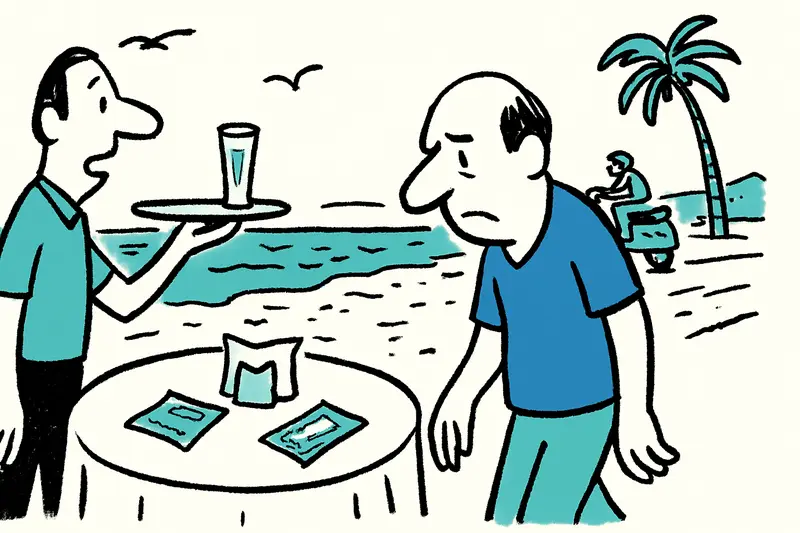
Saturday noon, Sa Coma. The sun blazes, the sea sparkles, seagulls circle. In a beach bar dishes clink, waiters shout orders, scooters roar past on the coastal road. On the table a small dish: inside ketchup and mayonnaise portion sachets. Tourists barely react, locals smile resignedly. This small scene is symptomatic of the gap between the letter of the ban and everyday practice.
Concrete approaches
1) Strengthen controls and fines: sanctions must be predictable and enforceable. Without consequences, bans remain ineffective. 2) Transparent data collection: bin-like collection points should publish annual reports by municipality. Hotel and foodservice consumption must become measurable. 3) Support local alternatives: investment grants for reusable and durable systems, for example glass and bamboo containers in hotels and beach bars. Pilot projects at heavily frequented beaches would be a good start. 4) Education and communication campaigns: not only communicate bans, but offer practical everyday help — such as reusable systems in beach bars or take-back points for hard-to-recycle products. 5) Regional procurement rules: public tenders should favour low-plastic products and strengthen local suppliers to reduce transport emissions.
Why this matters
The island depends on the sea and on tourism. Increasing plastic pollution damages beaches, raises disposal costs and undermines the quality of life for residents. More than that: those who face the plastic problem daily in the high season — cleaning crews, local fisheries, lifeguards — experience the consequences directly; for example, more than 6.7 tonnes of waste were removed from the sea in August. Visible measures would build trust, not only with environmental groups but with the people who live and work here.
Pointed conclusion
Mallorca had the laws and long showed the will. What is lacking today is determination, reliable figures and practical support for businesses. A ban alone is not enough; it needs implementation chains, controls and incentives. Anyone who wants to keep the island clean must be willing to be inconvenient: prevention, transparency and regional cooperation are not concessions to bureaucracy but the only way to regain the former frontrunner role.
Frequently asked questions
Why has Mallorca's plastic ban momentum slowed after an initial lead?
How effective has the single-use plastic ban been in Mallorca, and what gaps remain?
What data should Mallorca publish to show real progress on plastic waste?
What practical steps can Mallorca's hotels and beach bars take to cut plastic use?
Why is locality important when tracking Mallorca's plastic-reduction progress?
How does plastic pollution affect Mallorca's beaches and tourism, and why does it matter to residents?
What regulatory steps could Mallorca take to regain leadership against single-use plastics?
What can visitors do to reduce their plastic footprint during a Mallorca trip?
Similar News
Stolen Motorcycle in Palma: Fatal Crash in Coll d'en Rabassa Shortly After Theft
A motorcycle parked on Plaza Miquel Dolç in Son Gotleu was reportedly stolen in the early hours. Hours later two men cra...
When More Guests Mean Less: Mallorca's Restaurants at the Limit
Despite record visitor numbers, the revenues of many restaurants are shrinking. Why more visitors don't automatically me...
Ballermann 2026: Heat, crowded promenade and rising prices – how much longer?
Bright sunshine, over 35 degrees in the shade and busy venues at Playa de Palma: Tourists enjoy the parties, restaurateu...
Stolen motorcycle, high-speed escape, deadly crash: An accident in Palma that raises questions
A motorcycle stolen in Son Gotleu ended up hours later on the Cardenal-Rossell in Coll d'en Rabassa in a deadly collisio...
Found dead in Son Gotleu: Dog walk ends fatally — what is missing in the investigation?
A 68-year-old man was found dead on Sunday morning on Tomás Rullàn street in Son Gotleu. According to his partner, he ha...
More to explore
Discover more interesting content

Boat Tour with BBQ along Es Trenc Beach
Private transfer from Mallorca Airport (PMI) to Pollensa
