
Clothing Thefts at Mallorca Fashion Outlet: Arrest in Manacor – Time to Rethink
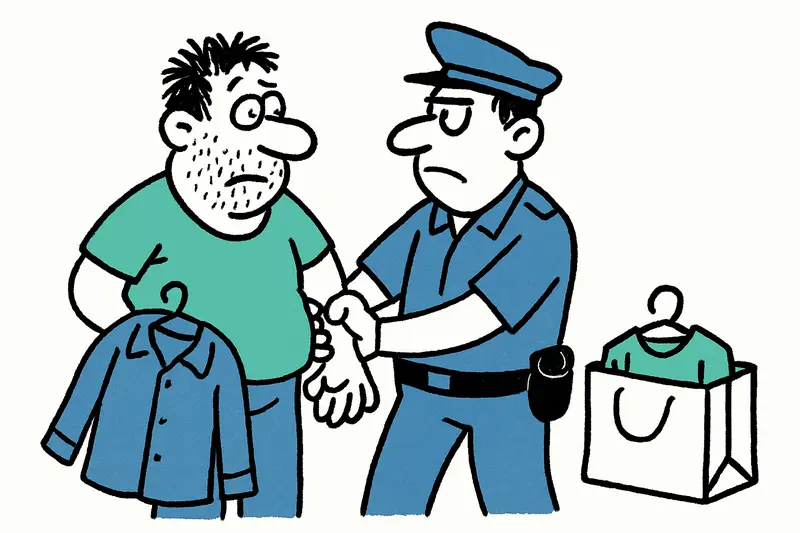
After the arrest of a 36-year-old man from Manacor suspected of a series of clothing thefts at the Mallorca Fashion Outlet, it becomes clear: these are not just isolated perpetrators, but security gaps between shops and the online world.
Arrest in Manacor – and suddenly Sunday afternoon at the outlet feels different
It was a breezy Sunday afternoon, the Tramontana wind brushed over the rows of parked cars at the Mallorca Fashion Outlet, somewhere children laughed, and the smell of coffee drifted from the square. Yet one piece of news caused unease: the Detención en Manacor tras presunta serie de robos de ropa en el Outlet – the Guardia Civil arrested a 36-year-old man from Manacor who is suspected of having stolen clothing from several boutiques in the outlet for months and then reselling the goods online. During a search of his home, investigators found more than 150 items, many still with tags attached – an estimated value of around 6,000 euros.
More than a shoplifting case: why this matters for the whole outlet
At first glance, 6,000 euros may not seem like a figure that makes headlines like a jewel heist. But the cumulative effect of many small thefts is real: disrupted inventories, rising security costs, and unsettled sales staff. Instead of the familiar bustle of a shopping Sunday, some employees now feel more mistrust than indifference. That has consequences for daily life – fewer smiles at the checkout, more manual checks on the shelves.
And then there is the internet: when someone finds a branded shirt well below market price, they are pleased. What rarely appears on product pages is the origin. If online offers are not verified, buyers can unwittingly become part of a chain that begins with theft. The investigation in this case did not, by the way, start because an attentive shop employee alerted authorities, but because online traces led investigators to the suspect: photos of listings, tags, price information, as was also key in other incidents such as Pickpocketing in Porto Cristo: Arrests, Deportation — and What This Means for Mallorca.
Key question: how well connected are local retailers, security forces and platforms really?
Public debate often narrows to the single perpetrator. Our view should be broader: where are the structural gaps that allow such series to happen, as recent arrests show in Organized watch robbers in the Balearics: Why Mallorca must also stay vigilant? Three points are particularly significant:
Poor interaction between shops and the online world: Marketplaces usually react only to reports. A systematic cross-check of serial numbers, tag photos or suspicious prices against local watchlists is largely missing.
Prevention in the outlet is patchy: Small boutiques rely on traditional measures – mirrors, cameras, staff. Modern tools such as RFID security tags, invisible watermarks or automated inventory monitoring are rare.
Uncertainties among buyers: Many people do not know how to verify a suspicious offer or who to contact. A blurry photo of a tag is sometimes the only trace.
Concrete opportunities: what helps now in practical terms
These problems cannot be solved with a snap of the fingers. But a few pragmatic steps would help a lot:
Local watchlist: Boutiques in the outlet could maintain a shared, data-protection-compliant database in which stolen items are briefly registered. Not permanent tracking, but a quick cross-check for suspicious online offers.
Cooperation with online platforms: Sales platforms should require proof for unusually cheap offers (receipt, serial number, detailed photos) and vet sellers before listing items. Regional reporting channels to the Guardia Civil could consolidate online leads.
Technology instead of just suspicion: More RFID tags, invisible watermarks on labels or standardized barcodes would make it easier to recognize stolen goods. These measures are practical – they just require a willingness to invest.
On-site education: A simple information sheet “Bargains — but safe?” for customers, training for staff to recognize suspicious behavior and clearly visible instructions on how to report dubious online offers can make a big difference.
A local appeal
Theft is not just a number in a statistic. It affects the sales assistant who notices a missing shirt, the cashier who checks, and the buyer who later wonders why an offer was so cheap. In Mallorca we know our neighborhood – seeing and being seen can be more than gossip: it can be protection. This trace has solved other cases, including Disguised as a Tourist: How an Alleged Thief Stole Suitcases and Watches in Palma.
If you recently bought a supposed outlet bargain from Mallorca online and have doubts: keep receipts, photograph the label and, if in doubt, contact the Guardia Civil. It may seem cumbersome, but it is often the trace that solves a case.
Quick facts: Arrest: 36-year-old man from Manacor. Seized: over 150 garments, many with tags. Estimated value: around 6,000 euros. Investigation ongoing.
An outlet is not a lawless zone. In Mallorca, being attentive stands out – and that can sometimes end a case before it grows.
Frequently asked questions
How do I know if a cheap Mallorca outlet item online could be stolen?
What should I do if I bought a clothing bargain from Mallorca and now suspect it was stolen?
Why do small clothing thefts matter so much for Mallorca shops?
How do police in Mallorca track stolen clothes sold online?
Is Mallorca Fashion Outlet a safe place to shop?
What can shops in Mallorca do to prevent clothing theft?
Should I report a suspicious bargain from Mallorca to the Guardia Civil?
What should I check before buying outlet clothes from Mallorca online?
Similar News
The End of the Cheap Ride? Why Mallorca Is Hit Harder by the Fuel-Price Shock
Gasoline and diesel average close to two euros per liter. What this means for commuters, supply chains and renters in Ma...
Relaxed liquid rules in Munich: What Mallorca travelers will notice
At Munich Airport the 100-milliliter rule will be lifted at all checkpoint lanes — thanks to new CT scanners passengers ...
For 45 Years on Mallorca — and Then This: How a Market Visit in Santa Ponsa Became a Lesson
A woman who has lived on the island for decades lost money and important documents at the Mercat Setmanal in Santa Ponsa...
10 percent surcharge on the beach: How legal and transparent is the extra charge at Playa de Muro?
A German part-time resident noticed days after a restaurant visit in Playa de Muro that the bill included a flat ten per...

Body near the Llevant Market: What this death says about our city
A man was found dead on Sunday afternoon near the Llevant Market. Police say the death appears natural. The scene raises...
More to explore
Discover more interesting content

Can Cap de Bou

Townhouse Lleo 72
