
The Mediterranean on the Brink: Why Mallorca Can No Longer Just Watch
The Mediterranean on the Brink: Why Mallorca Can No Longer Just Watch
Geographer and TV presenter Jacob Petrus speaks at the eForum in Palma about the vulnerability of the Mediterranean. A reality check for Mallorca: What is missing in the discourse, which measures are urgently needed, and what does everyday life on the coast already look like?
The Mediterranean on the Brink: Why Mallorca Can No Longer Just Watch
Key question: Are information events and appeals enough, or does Mallorca need concrete, binding steps so the island does not lose the Mediterranean that feeds and protects us?
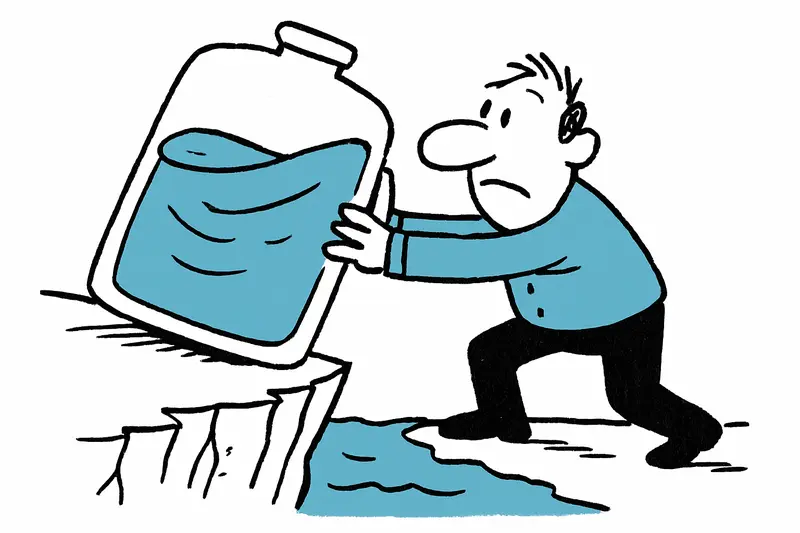
On June 10 in Palma, at the eForum in the Aljub Hall of the Es Baluard Museum, geographer and TV presenter Jacob Petrus will speak. His topic: the Mediterranean as an especially fragile zone in the face of the climate crisis. This is not an abstract expert conversation — it concerns the beach bars, the fishing boats and the seafront of El Molinar just as much as insurance premiums and the island's water reserves, as discussed in 44% and Still Uneasy: Why Mallorca's Water Situation Remains Regionally Critical.
Anyone walking along Passeig Mallorca these days hears the seagulls, sees fishermen mending their nets and feels the heat on their skin. Nights are noticeably warmer; people stay longer on terraces because the air no longer cools properly. These small observations correspond with a central point often made: the Mediterranean is warming faster than the global average. For Mallorca this means: more frequent tropical nights, changed fish populations, more storm damage and stronger coastal erosion — see Sea off Mallorca: When the Underwater Meadow Disappears.
Critical analysis: Information alone is not enough. The eForum is important because it bundles knowledge and creates visibility. But the step from the stage to implementation is still too large. On Mallorca there are initiatives for coastal protection, water management and marine conservation, but they too often appear fragmented — between municipalities, the island government and private actors. There is also often a lack of clear prioritization: Which measures cost little, provide short-term protection and can be scaled? Which require larger investments and long lead times?
What is often missing in public discourse: concrete timelines, binding responsibilities and an honest cost-benefit analysis. There is a lot of talk about research and technology — rightly so — but less about how to finance measures at the municipal level or how to involve local fishermen and beach operators in plans. The discussion about fair distribution of burdens is also too short: Who pays for coastal protection, who benefits, and how is social inequality avoided?
A Mallorca everyday scenario: A fisherman from Portixol complains about smaller catches, a hotelier at Playa de Palma notices more frequent loss of beach sections after autumn storms, and a farmer in the Pla de Sant Jordi sees yields decline. Such reports are not protests against progress but early warning signs. Locally audible, personal and urgent.
Concrete solutions that can be implemented immediately: 1) A unified coastal map with hazard levels and a binding protection corridor for critical sectors; 2) municipal funds for immediate measures (beach cleaning, dune restoration), financed by a small tourism levy ring-fenced for coastal protection; 3) targeted support for sustainable fisheries: promote low-impact fishing methods, scientifically monitor invasive species and strengthen local markets for sustainable products; 4) expand local water storage and treatment capacity combined with clear water-saving targets for agriculture and tourism during droughts; 5) local education initiatives: practical workshops for fishermen, hoteliers and schools instead of abstract lectures.
On the technical level: photovoltaics on municipal buildings, decentralized battery storage for critical infrastructure (water pumps, sewage plants) and pilot projects for salt-tolerant agricultural systems. These measures cost money, but prevention is cheaper than repair: coastal protection after a storm, lost harvests or destroyed roads incur far higher bills.
Another point that is rarely debated enough is the communication strategy. Facts are not enough if they are not conveyed with local roots. People on the island need to experience the why and how of measures directly: visible pilot projects on the beach, information stands at weekly markets, audible neighborhood meetings. Otherwise climate communication becomes a distant topic that only takes place in conference rooms.
On climate skepticism: those discussions still exist — partly out of exhaustion, partly out of economic fear, as explored in Reality Check: Why Mallorca Can Hardly Escape Massification. People who see their livelihoods at stake react sensitively to change. Therefore climate policy must consider social security: retraining programs for those affected, subsidies for climate-friendly transitions and transparent participation formats.
Conclusion (in brief): Mallorca can no longer afford paradigm speeches. Research and information are the foundation, but now binding, local and affordable measures are needed. If anyone wants clean beaches, functioning fishing ports and productive fields tomorrow, priorities must be set today: clear responsibilities, ring-fenced financing and visible pilot projects. Otherwise walks along the promenade will soon be about something else — not the next summer festival, but the damage that could have been prevented.
The eForum is an opportunity because it brings experts and decision-makers to the table. The next task is: package results so that a simple municipality in Llucmajor, a fisherman in Portixol or a hotel manager in Can Pastilla can say: This is concrete, this is financed, this concerns me — and I know what to do.
Frequently asked questions
Why is the Mediterranean warming so quickly around Mallorca?
What climate change effects are already visible in Mallorca?
Is it still safe to swim on Mallorca if the coast is under climate pressure?
What should I pack for Mallorca if I’m visiting during hotter nights and stronger heat?
What is happening to fishing in Mallorca as the sea gets warmer?
Why is coastal erosion becoming a bigger problem in Mallorca?
What is the eForum in Palma about and why does it matter for Mallorca?
What practical climate measures could help Mallorca right now?
Similar News
Chairs gone, debate remains: Who can really use Palma's Born in the evening?
The city had terraces on Passeig del Born dismantled shortly before a planned public action. A conflict between restaura...
The 'Fifth Season' in Port d'Andratx: A Pool That Looks Down
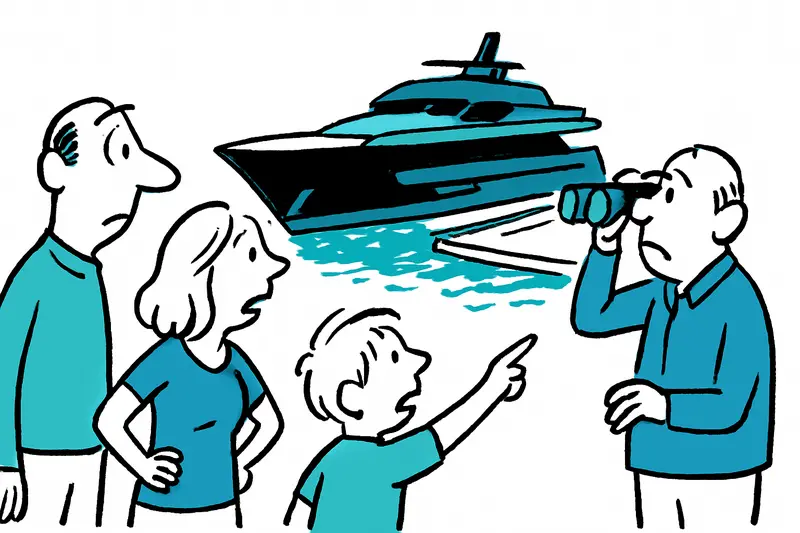
An unusual 39.2-meter yacht is currently moored at the Port d'Andratx Yacht Club: black-grey, with plenty of glass and a...

Missing 24-year-old from Bavaria found on Mallorca
The 24-year-old woman from the Augsburg area who had been missing since August 3 was found on Mallorca. Family members, ...
Heat and Power: Why the Balearic Islands Are Sweating Now — a Reality Check
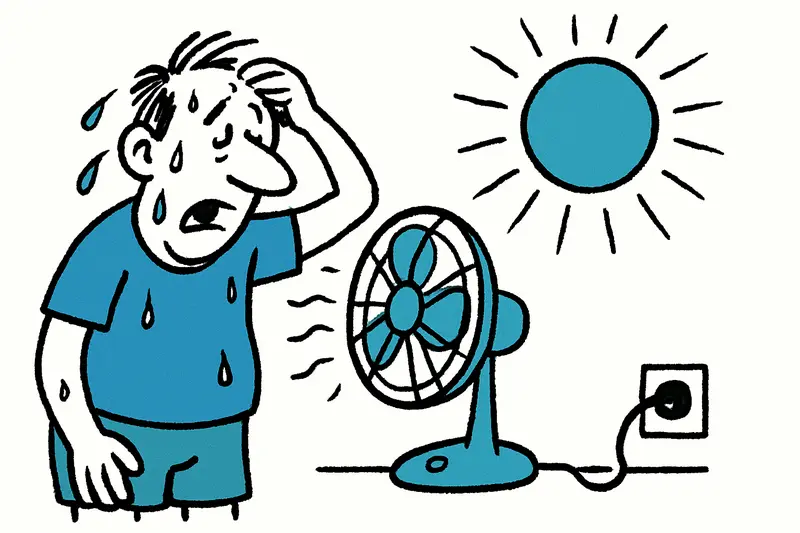
Weeks of heat waves, rising cooling demand and suddenly flickering lights: Mallorca, Ibiza and Formentera have seen an i...
When the Water Taps Run Dry: Why Tankers Are Not the Solution
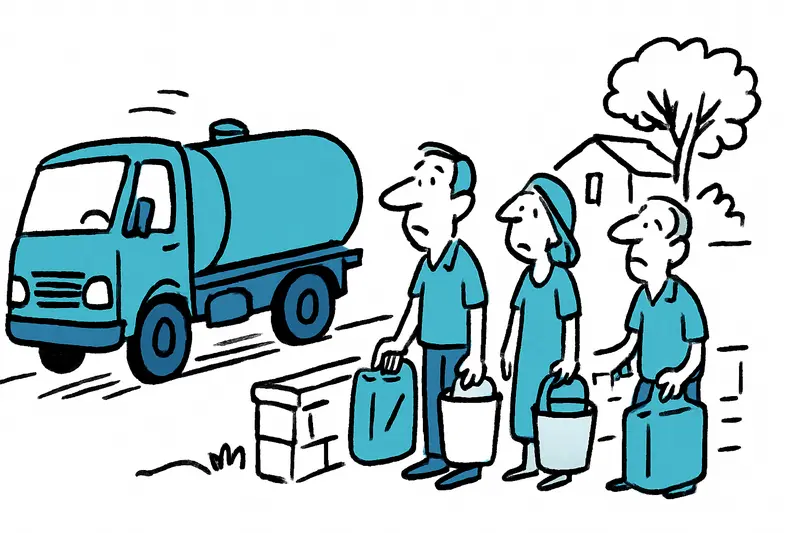
In villages like Deià, Valldemossa or on Menorca, municipalities are limiting water use because of drought. Who decides,...
More to explore
Discover more interesting content

Boat Tour with BBQ along Es Trenc Beach

Private transfer from Mallorca Airport (PMI) to Pollensa
