
Missing in Santa Eularia: What happened to 26-year-old Justin F.?
Missing in Santa Eularia: What happened to 26-year-old Justin F.?
Since Saturday, January 24, 26-year-old German national Justin F. has been missing on Ibiza. Relatives report a fight, injuries and a missing phone. A reality check: what's missing in the search and how can people help?
Missing in Santa Eularia: What happened to 26-year-old Justin F.?
A reality check on a case that leaves questions unanswered
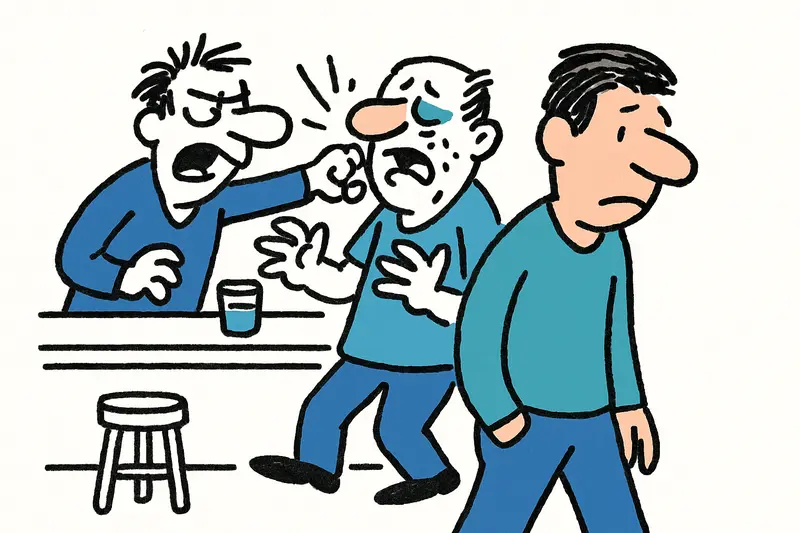
Since the evening of January 24 there has been no trace of 26-year-old German national Justin F. Relatives and friends say he was seen in the town of Santa Eulària des Riu, last around 11 p.m.; after that his trail was lost. According to consistent accounts from people close to him, he and an acquaintance were involved in a fight in a bar near their accommodation. Both men were injured; Justin was reportedly without a phone and wallet, and the companion described a broken nose and bruises.
A missing person report has been filed, relatives say; an official confirmation from the Guardia Civil was not available at the time of publication. Searches in local hospitals have so far turned up nothing, the family says. Friends from Germany are already on their way to Ibiza, and search posters and tips are being shared on social networks.
Key question: Where is Justin — and why can an apparently injured tourist become so invisible in such a short time?
Critical analysis: On the one hand, injured people in tourist centers are usually taken to medical facilities and should be registered there. On the other hand, cases like this show that lines of information can break down: when someone is without ID, a phone or Spanish language skills, contact persons and identification often depend on chance helpers, medical staff or attentive passers-by. The lack of a quick confirmation from investigative authorities increases uncertainty and forces relatives to act themselves — often with limited local knowledge.
There is also the question of surveillance and witnesses at night: how well are areas around bars and parking lots monitored, how long are recordings stored, and how quickly can inquiries be made with restaurants, taxi companies or hospitals? In holiday resorts like Santa Eulària, where the rhythm of beaches, nightlife and fast-moving guests often collide, an hour can be enough for events to become difficult to reconstruct.
What is missing from the public debate: The discussion usually revolves around headlines — fights, robberies, missing persons — but rarely about practical interfaces: How do health centers, the Guardia Civil, tourist services and the German embassy or consulates cooperate when information is sparse? Who provides language mediation at night if an injured person does not speak Spanish? What obligations do hospitals have to operate notification systems for unidentified patients? These questions are often absent from public debate but become immediately relevant for those affected. Similar reports, such as Missing at Playa de Palma: A Dementia Case and the Lessons for the Island and 18 People Missing off Mallorca — A Call to Politics and Society, have raised comparable concerns.
Everyday scene from Mallorca (as a mirror): Imagine the Passeig Mallorca on a mild January morning: delivery vans rumble, cafés fill up, taxi drivers at the harbor swap short stories about the night. Here as on Ibiza it is often exactly these people — the bar owners, taxi drivers, night-shift nurses — who in doubt decide over the life or visibility of a missing person. A driver who picked someone up, a concierge who finds an ID, or a night nurse who registers an injured person: everyday encounters that make the difference in a crisis. Past unresolved cases such as January Morning in the Serra: The Mystery of the Musician Who Never Returned illustrate how quickly records and memories can fade.
Concrete solutions: 1) Consolidate immediate contacts: relatives should inform the police, regional emergency departments, the German diplomatic mission (consulate/embassy) and local support services in parallel. 2) Checklist for families: personal description, photos, time and place of last sighting, description of clothing, independent phone numbers, credit card activity (to check payments). 3) Strengthen local networking: hotels and bars should display clear instructions on how to report injured, non-speaking guests; taxi companies could be given simplified reporting channels. 4) Improve official procedures: rapid queries at hospitals, digital matching with emergency departments and short-term prioritization for people without ID should become more binding. 5) Prevention: night-time hotspots need visible law-enforcement presence during peak hours and multilingual information points.
For the acute situation on site, practical steps are important: anyone in Santa Eulària or on Ibiza with information should contact the nearest police station or the family. Every small detail — a photo, a route taken, an observation about clothing — can help. Friends and travelers should also keep emergency numbers handy and make photos of passports/IDs accessible digitally in case documents are lost.
Conclusion: The missing-person case of Justin highlights a lack of short, reliable information chains during tourist nights. It is not only about individual incidents but about structural issues: language barriers, missing identification, and fragmented communication between clinics and police. Concrete organizational steps — from better reporting chains to increased presence in nightlife districts — would increase the chances of finding injured travelers more quickly. Until then, a urgent request to witnesses and residents remains: look twice, call if you notice something — every minute counts for those affected.
Frequently asked questions
What should I do if a tourist goes missing in Mallorca?
How can someone disappear so quickly in a holiday resort like Santa Eulària?
What should I pack to stay safe when going out at night in Mallorca?
Will hospitals in Mallorca register unidentified injured tourists?
Where should I report a missing person in Santa Eulària des Riu?
Why do families sometimes have to search for missing relatives themselves in Mallorca?
How important are witnesses after a night-time incident in Mallorca?
What can hotels and bars in Mallorca do if a guest is injured and cannot speak Spanish?
Similar News
Warning to Bathers: Nipping Fish in Cala Major and Other Coves — a Reality Check
In Cala Major and several beaches around Mallorca, bathers report painful “nips”. Who are the animals, why are they gett...

Rental Car Theft in El Arenal: What This Incident Reveals About Our Gaps
A teenager steals a running rental car in El Arenal, flees on foot, climbs over walls and is caught by the Guardia Civil...
Red Rope in Palma's Library: What Helps Against Selfie Tourism — and What's Missing
Palma's city library cordoned off an area with a red rope to keep selfie tourism away from reading and working activitie...

Fort San Carlos: Museum, Harbor Dispute — and a Conflict That Demands Answers
The military museum at Fort San Carlos sits right on Palma's harbor, with unexpectedly quiet rooms filled with cannons a...
Old Town Under Pressure: When a Doorway Becomes a Sleeping and Shower Place
For months a woman has been living with a parasol, a clothes rack and personal belongings next to the social welfare off...
More to explore
Discover more interesting content

Can Cap de Bou

Townhouse Lleo 72
