
Missing in Palma: What happened to Sebastià — and what does it say about us?
Missing in Palma: What happened to Sebastià — and what does it say about us?
No sign of life from Sebastià of Calle Arxiduc Lluís Salvador for weeks. Police found the apartment in chaos — but no resident. The case raises questions about care, identification and neighborhood responsibilities.
Missing in Palma: What happened to Sebastià — and what does it say about us?
Guiding question: How can a city prevent people like 70-year-old Sebastià from disappearing without a trace?
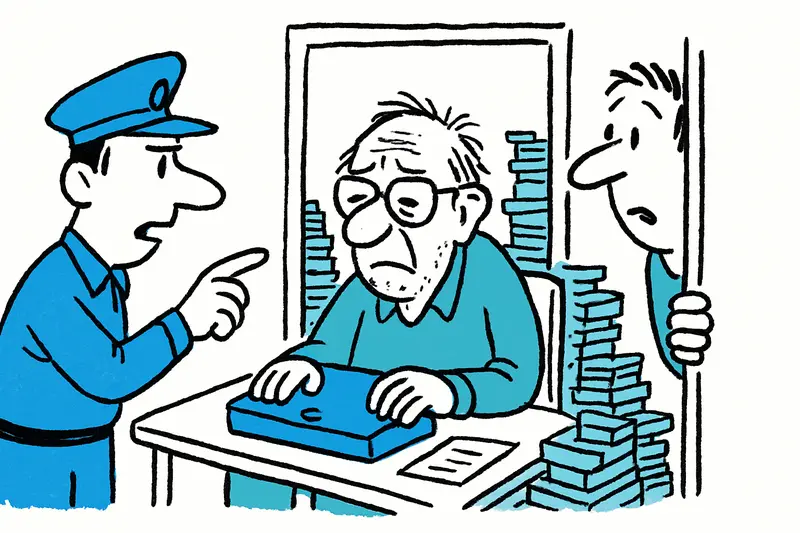
On Calle Arxiduc Lluís Salvador, an old neighborhood that smells of coffee and shaving foam in the mornings, there was suddenly more activity than usual this week: police motorcycles, a fire engine with flashing lights, curious residents peeking out of their doors. They all wanted to know: Where is Sebastià? The roughly 70-year-old neighbor, known for hardly leaving his flat and hoarding piles of packaging there, had not been seen for more than two weeks.
On January 21 the local police opened the seventh-floor apartment after neighbors complained that his delivered meals had not been collected. Inside: a disheveled hallway, a trail of black dirt through the rooms, stacks of ready-meal containers by the entrance. Documents and a pair of glasses lay on the table. The officers did not find a body. Instead they were left with the unresolved question of whether the man had left, sought help — or whether something worse had happened.
Cases like this are not only individual tragedies; they reveal a systemic problem. People with Diogenes syndrome often live isolated, insecure lives without reliable connections to public services. When neighborhood help is only occasional and official procedures are slow, it is left to chance whether someone is found. This has been highlighted before in Valencia find: When a person remains unnoticed for 15 years — Lessons for Mallorca.
In Sebastià’s case, neighbors say hospitals and funeral homes were already contacted — without success, echoing other Palma cases such as Missing in Palma: Instagram Update Raises Questions — Community Calls for Rally at the Train Station. That means neither identification nor next of kin provided certainty.
What is missing from the public debate is clear responsibility between the different actors: social services, healthcare, police and the neighborhood. Who assumes long-term case management? When does an occasional meal delivery become active care? And how do we ensure that people without identity papers or close relatives do not disappear into a bureaucratic no‑man’s‑land?
A realistic picture of everyday life: in many apartment corridors in Mallorca people exchange a quick word by the mailbox, make a polite remark about the weather, nod to the café owner. For people like Sebastià these fleeting contacts are not enough. His short walks to the corner bar, the brief chats at the door, the tentative smile — all of this can easily go unnoticed until the last delivery is left and questions multiply.
Concrete solutions that could take effect immediately are pragmatic and local: 1) A municipal register for particularly vulnerable people that respects data protection but offers quick access in emergencies. 2) Interdisciplinary teams (social work, health professionals, police) with clearly defined responsibilities for regular checks. 3) Volunteer networks in apartment blocks trained to report problems early without stigmatizing. 4) Standardized protocols for identification in hospitals and funeral homes so that people without papers do not disappear into statistics. 5) Mobile consultation hours in neighborhoods with high loneliness rates, combined with low‑threshold services such as warming centers and meal stations.
Some of these proposals build on existing structures — they need less new money than better coordination. It is not enough for neighbors to “check in now and then.” What is needed are binding arrangements, fixed contact persons and the ability to activate psychosocial support at short notice. At street level it would help if local bars, parcel carriers and delivery services had trained guidance on how to report suspicious situations.
Visibility of the issue is also important: loneliness and mental health problems often remain behind the apartment door. If city authorities and neighborhoods address the topic openly, it becomes easier to reduce shame and accept offers of help. Not every intervention has to be police-led; often a call from social services or a visit from a mobile team is more effective in the long run.
Pointed conclusion: Sebastià’s disappearance is a wake-up call for Palma. It is not just about one missing person but about how a community cares for its most vulnerable. The stakes are comparable to those raised by recent cases at sea 18 People Missing off Mallorca — A Call to Politics and Society. If authorities and neighbors do not respond in a structured way now, the next similar case will again be noticed only by chance — or too late. Who is responsible is a political and moral question. Who acts will determine whether we remain civilized as a city or increasingly stand by helplessly.
Frequently asked questions
What happened to Sebastià in Palma?
How long can someone go unnoticed in Palma before anyone notices?
What are the warning signs that an elderly neighbor in Mallorca may need help?
What should neighbors in Palma do if they are worried about someone living alone?
Can Mallorca hospitals or funeral homes identify someone without documents?
What is Diogenes syndrome and why does it matter in Mallorca?
Which parts of Palma are most affected by loneliness among older residents?
What practical steps could help prevent similar missing-person cases in Mallorca?
Similar News
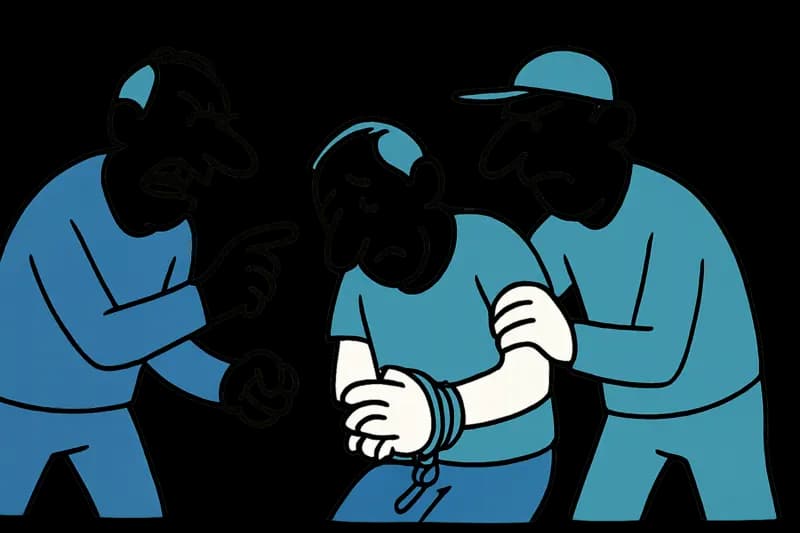
Mistaken identity with fatal consequences: Brutal assault in S'Aranjassa — what's missing in the follow-up?
At S'Aranjassa a visitor to a finca was tied up, beaten and thrown out of a van. Three men have been arrested, including...
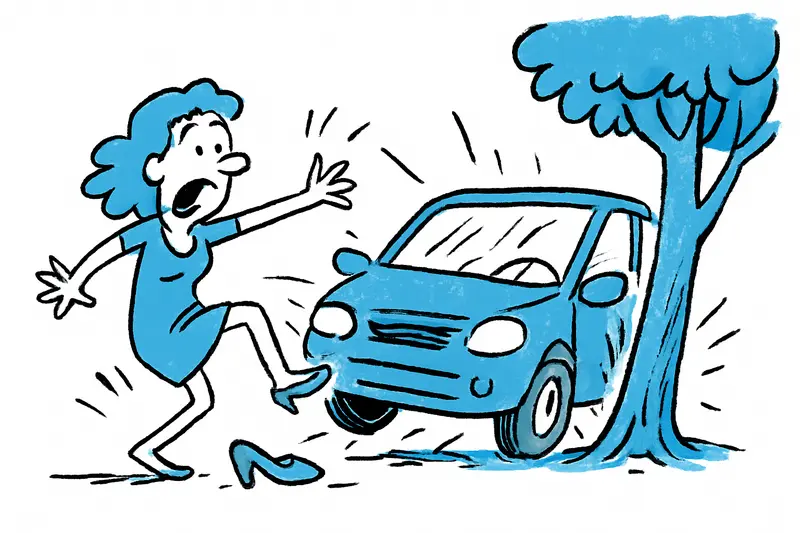
High heel slips, car accelerates: accident on Camí de Son Hugo
A woman lost a high-heeled shoe on the forecourt of the sports facility at Camí de Son Hugo. The car accelerated, mounte...
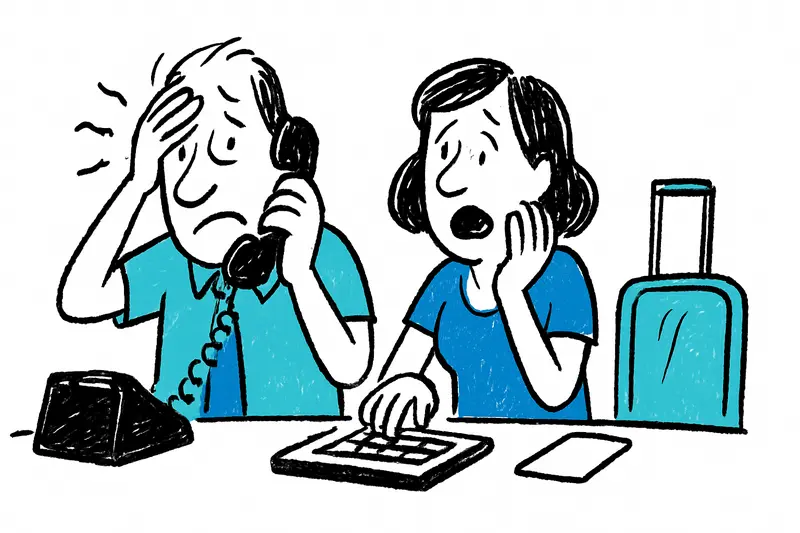
Phone Scam: How Two Hotel Employees at Playa de Palma Lost Thousands of Euros
One morning in September, two reception employees at Playa de Palma were pressured by alleged alarm-company staff — in t...
When the Wallet Becomes a Danger: Attack in Peguera and Lessons for Mallorca
In Peguera, two women are said to have stolen the wallet from a 75-year-old German couple. When the victim intervened, t...
Plata stays Plata: Young people take over, Llonguets remain
A small bar on Carrer de l'Argenteria will continue: Tolo Serra hands the place over to young Mallorcans at the end of t...
More to explore
Discover more interesting content

Can Cap de Bou

Townhouse Lleo 72
