
More Controls Against Illegal Vacation Rentals – What the Numbers Really Say
More Controls Against Illegal Vacation Rentals – What the Numbers Really Say
The Consell reports significantly more inspections: around 3,000 operations, 4,400 removed listings. A success message — but what gaps remain for residents and tenants?
More Controls Against Illegal Vacation Rentals – What the Numbers Really Say
Record inspections, many listings deleted – and yet the problem persists
On December 11, 2025 the island council published a Consell report on inspections and removed listings that read well: around 3,000 inspections, 19 percent more than the previous year and three times as many as in 2023. More than half of these operations were directed against illegal offers. In cooperation with platforms like Airbnb, more than 4,400 listings without registration were removed – which, according to the tourism department, corresponds to over 20,000 illegally advertised beds. Numbers that signal impact. Coverage of the council's inspection efforts does not answer the pressing questions on the island.
Key question: Are intensified controls alone enough to mitigate the side effects of short-term rentals for residents? On a Thursday morning, walking past the Plaça Major or the market in front of Mercat de l'Olivar, you hear the usual mix of Spanish, German and engine noise. Still, it is noticeable that neighborhoods are changing: old buildings that once had permanent tenants are turning into short-term income sources for owners – with consequences for rents and neighborhood structure.
The raw numbers say: more inspections, many deleted listings. Viewed critically, however, two things are missing from the public debate. First: transparent follow-up. When a listing is removed, we do not always know whether it disappears permanently, reappears under a new name, or the housing is repurposed. Second: the perspective of those affected. Tenants, landlords with legal licenses, neighbors – their experiences rarely appear in statistics.
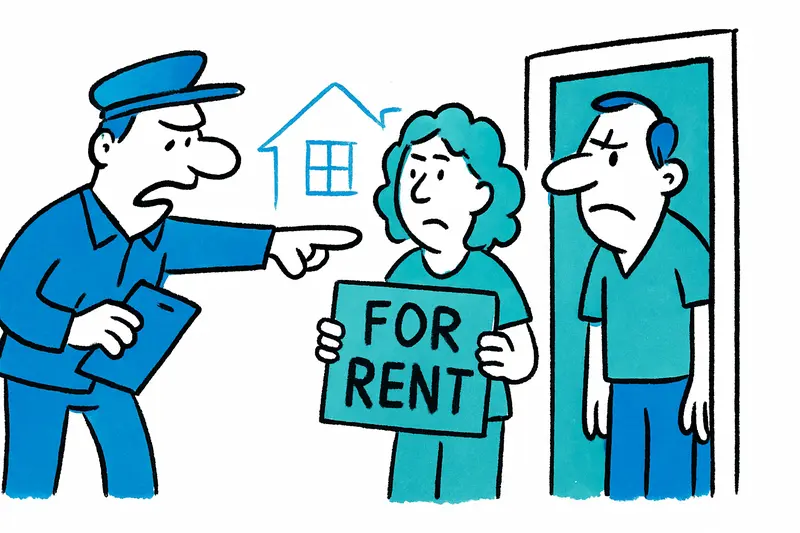
The inspections take place in tight quarters. Imagine an inspector walking up the cobbled Carrer de Sant Miquel on a warm morning to check an apartment. Ring the bell, a young tourist opens, surprised by the inspection. Scenes like this are repeated in many places. Authorities are present, but the number of complaints remains high. Why? Because economic incentives and digital visibility are stronger than the hurdle of a possible fine.
Critical analysis: controls shift the problem if they are not accompanied by systematic measures. Removed listings do not necessarily clog the market; they change it. Platforms respond quickly to deletion requests, but users can rephrase listings, open new accounts or use alternative channels. At the same time, administrations often lag behind in the tracking needed: a deletion today, a new listing tomorrow.
What is missing from the public debate is discussion about infrastructure and social policy. It's not only about sanctions. In the long term, rental pressure, housing shortages and the displacement of permanent residents are reduced if effective measures are implemented in parallel: better data integration between registers, registration offices and online platforms; targeted subsidy programs for affordable housing; transparent sanctions that have an economic impact.
Everyday observation: in Portixol early in the morning you often see cleaners preparing holiday apartments for the next check-in. In inner courtyards of old town houses you hear rolling suitcases instead of children's laughter. These small scenes make clear that controls are visible, but the structural dynamics continue.
Concrete proposals that go beyond mere police checks:
1. Digital monitoring network: An automated interface between the official registration data of the island administration and the platforms. This would detect repeat offenders faster and make permanent deletions more likely.
2. Transparent sanctions: Not only fines, but also publication obligations and a repeat-offender register. If landlords know that violations will be publicly recorded, the incentive to take risks decreases.
3. Incentives for legality: Simplified registration, reduced special tax rates for users who rent long-term, and advisory services for property owners who fear legal uncertainty.
4. Locally limited usage rules: Neighborhood-specific solutions – for example maximum numbers of short-term rentals per street or block – could curb the worst displacement effects without paralysing the entire market.
5. Stronger involvement of the neighborhood: Complaint portals, neighborhood forums and clear reporting channels for repeated disturbances. This helps authorities set priorities and deploy resources more effectively.
A practical example: if the administration repeatedly finds illegal offers in a district like Santa Catalina, measures could shift from punctual inspections to an integrated package of tracking, information campaigns for owners and a time-limited tenant protection. Equally important is that fines are not merely symbolic but have a real economic effect.
Conclusion: The figures from December 11 show determination. More inspections and thousands of removed listings are a step forward. But without technical upgrades, transparent follow-up and accompanying housing policy measures, the approach risks having only short-term effects. For residents, craftsmen and small businesses on the island it's about more than deleted ads: it's about the right to live in a vibrant neighborhood, not on a perpetual tourist stage. Those who take this perspective seriously must act now – not just enforce controls.
Frequently asked questions
Are illegal vacation rentals in Mallorca getting harder to run?
What happens when an illegal holiday rental listing is removed in Mallorca?
Why do illegal vacation rentals still affect housing in Mallorca?
Is it safe to book a holiday rental in Mallorca if it looks normal online?
Which areas of Mallorca are most affected by short-term rental pressure?
Can Mallorca stop illegal rentals with inspections alone?
What should Mallorca residents do if they suspect an illegal vacation rental next door?
Will tighter controls make Mallorca quieter for residents?
Similar News
The End of the Cheap Ride? Why Mallorca Is Hit Harder by the Fuel-Price Shock
Gasoline and diesel average close to two euros per liter. What this means for commuters, supply chains and renters in Ma...
Relaxed liquid rules in Munich: What Mallorca travelers will notice
At Munich Airport the 100-milliliter rule will be lifted at all checkpoint lanes — thanks to new CT scanners passengers ...

For 45 Years on Mallorca — and Then This: How a Market Visit in Santa Ponsa Became a Lesson
A woman who has lived on the island for decades lost money and important documents at the Mercat Setmanal in Santa Ponsa...
10 percent surcharge on the beach: How legal and transparent is the extra charge at Playa de Muro?
A German part-time resident noticed days after a restaurant visit in Playa de Muro that the bill included a flat ten per...

Body near the Llevant Market: What this death says about our city
A man was found dead on Sunday afternoon near the Llevant Market. Police say the death appears natural. The scene raises...
More to explore
Discover more interesting content

Can Cap de Bou

Townhouse Lleo 72
