
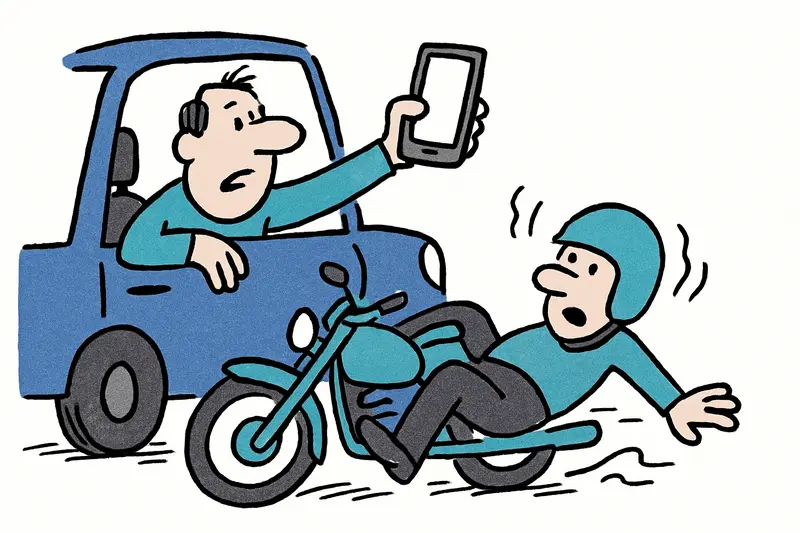
Why Mallorca Remains Dangerous for Bikers — and What Could Really Help
The sun-drenched island magnetically attracts motorcyclists — but the number of fatal accidents is rising. We ask: Is it the roads, the riders or the system behind it? A look at causes, underestimated risks and concrete solutions.
Why do so many motorcyclists die in Mallorca?
Sunday midday on the MA-10: the chirping of cicadas, the sound of the sea in the distance, the smell of hot brakes and chain oil. For many this is the perfect scene — until a mistake changes everything. Since the beginning of the year 34 people have died in accidents in the Balearics, around 41 percent of them on motorcycles; More traffic fatalities in the Balearic Islands: Why are so many motorcyclists affected?
More than just curves and sun
Of course the routes play a role. The Tramuntana with its tight hairpins, the steep ups and downs around Sóller or the coastal stretch near Port de Sóller are technically demanding. Poor surface, sand from juniper bushes after the Tramuntana wind, suddenly parked cars in front of cafés — these are hard tests if you don't know the road; Cruising Safely on Mallorca: What Tourists and Authorities Should Finally Do Differently offers practical tips for riders facing these exact hazards.
The patterns behind the numbers
Traffic police name three main causes: alcohol and drugs, excessive speed and distraction by phones. But there are factors that are often underrepresented in public debate: poor maintenance of rental bikes, unclear liability rules of rental companies and the dynamics of tourist groups that often lead to overconfidence. I speak with mechanics in Inca and they sigh: "Many rental bikes on the islands get only the minimum level of care."
Who is affected — and why?
Above all, young men between 25 and 35 pay the highest price. Alcohol at night in beach bars combined with early, twisty rides in the morning is a common pattern. Also the mix of locals and leisure riders who only ride the island for a few days creates dangerous situations: locals know where to brake; tourists underestimate potholes or the reduced braking effect of hot asphalt.
Aspects that are rarely mentioned
A few concrete observations: Many accident sites are in tourist hotspots, but not necessarily where most cars drive. They are viewpoints, narrow passages and parking bays. Then the role of rental companies: are there mandatory briefings? Are renters' power and experience checked? And finally the polarization in politics: road maintenance is expensive, traffic enforcement costs personnel — both compete with mass tourism interests to welcome as many visitors as possible without noticeable restrictions.
Concrete measures that work in the short term
There are measures that could take effect immediately: more targeted speed controls at hotspots like Coll des Reis, Coll de Sóller or the coastal road near Banyalbufar; mobile alcohol and drug checks before weekend nights; temporary driving bans for particularly narrow sections on peak days; and much more visible, multilingual warning signs at danger spots. Also simple things like regular sweeping of road edges to remove sand and gravel would improve grip, as suggested in Too Many Deaths on Motorcycles: How Mallorca Can Stop the Summer Trend.
Medium-term and structural solutions
But truly sustainable are changes at the system level: a requirement for a short safety briefing at all motorcycle rentals, mandatory technical checks before every handover, maximum power limits for rental machines and a digital hotspot map for accident clusters that rental companies and navigation devices can use. Traffic education in schools and targeted courses for leisure riders, offered in cooperation with local motorcycle clubs, could increase risk competence.
From the road into the community
Communities can achieve a lot with simple measures: official photo and parking spots at popular viewpoints, additional protected pull-outs, fixed Guardia Civil checkpoints on weekends and information stands during the high season. Above all, though, a culture of caution is needed — among locals as well as visitors. A single candle at the roadside should not be the measure for change.
Why it is worth acting now
The island lives from tourism, and many come because of the spectacular routes. Therefore it is in everyone's interest to make these roads safer. Affordable, targeted measures protect lives, preserve the island's image and, in the long run, are cheaper than the costs that deaths and injuries mean for families and communities.
I myself like to ride twisty roads, hear the tyres on rough asphalt and appreciate the silence after a summit. But the numbers must not allow us to downplay how serious the situation is. Freedom on two wheels must not become a deadly gamble. The question is not only who is to blame — but what we do together so that more people can sit safely in harbour cafés in the evening and enjoy the sea.
Frequently asked questions
Why are motorcycle accidents in Mallorca such a concern?
Is it safe to ride a motorcycle in Mallorca as a tourist?
What are the main causes of motorcycle crashes in Mallorca?
What should I watch out for on Mallorca’s mountain roads?
Why is the MA-10 in Mallorca considered dangerous for bikers?
What makes rental motorcycles in Mallorca a safety issue?
What safety measures could reduce motorcycle deaths in Mallorca?
When is riding a motorcycle in Mallorca most risky?
Similar News
When the Wallet Becomes a Danger: Attack in Peguera and Lessons for Mallorca
In Peguera, two women are said to have stolen the wallet from a 75-year-old German couple. When the victim intervened, t...
Plata stays Plata: Young people take over, Llonguets remain
A small bar on Carrer de l'Argenteria will continue: Tolo Serra hands the place over to young Mallorcans at the end of t...
Unnoticed in the Luggage Compartment: How a Boy Traveled More Than 100 Kilometers in a Team Bus
A minor traveled in the undercarriage of a team bus for more than 100 kilometers until his cries for help were heard. A ...

Cap Vermell Grand: Second Michelin Key – a Gift for the East
The Cap Vermell Grand in Capdepera has been awarded its second Michelin key. For the region this elevates the luxury off...
Eurowings lets four aircraft carry names – a friendly idea that also reaches Mallorca
Eurowings is launching a campaign: four Airbus A320s are to carry the first names of people who help others in everyday ...
More to explore
Discover more interesting content

Can Cap de Bou

Townhouse Lleo 72
