
Nearly Fatal Bathing Accident in Santa Ponsa: Why the Incident Raises Questions About Beach Rescue
Nearly Fatal Bathing Accident in Santa Ponsa: Why the Incident Raises Questions About Beach Rescue
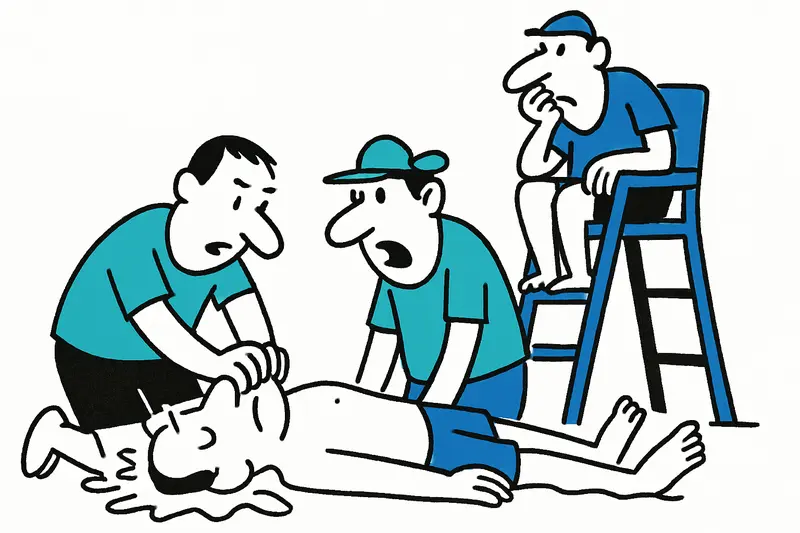
A 47-year-old man was pulled from the water at Playa Grande in Santa Ponsa without a pulse. Twenty minutes of chest compressions saved his life. Time for a reality check of beach preparedness.
Nearly Fatal Bathing Accident in Santa Ponsa: Why the Incident Raises Questions About Beach Rescue
On Thursday, a few minutes before 12:40 p.m., the usually calm promenade of Santa Ponsa turned into a hectic rescue zone. A 47-year-old man, of Pakistani origin and resident in the United Kingdom, was recovered from the water at Playa Grande by lifeguards, unconscious and without a pulse. First aid and around 20 minutes of cardiopulmonary resuscitation by the lifeguards and willing bystanders ultimately meant the man could be taken to Son Espases hospital with a pulse.
Key question: Is the current beach rescue system in Mallorca sufficient?
It is not the dramatic rescue alone that prompts reflection, but the questions it reveals. Similar incidents, such as Critical Bathing Incident at Arenal: Call for Better Protective Measures, raise the same concerns. Are observation towers, staffing levels, equipment and procedures — in high season as well as off-season — sufficiently prepared to reliably handle similar cases along Mallorca’s coasts? The incident in Santa Ponsa shows that committed personnel can save lives. It also shows how much the outcome depends on the interplay of many chance factors: the vigilance of a tower watcher, quick help from beachgoers, off-duty firefighters who happened to be present and a rescue team that arrived in time.
The scene at Playa Grande is typical: in the morning, walkers stroll, chiringuitos serve freshly brewed coffee, seagulls scream, children build sandcastles. A lifeguard tower watches over the activity, but many details play out invisibly in the water. That is precisely where the critical zone begins.
Critical analysis
Positive takeaways: the chain of rescue worked that day. A watchman discovered the motionless person, several helpers assisted with the recovery, and the resuscitation was successful enough for transport. This speaks to the training and skill of the people involved.
Problems that become visible: first, it remains unclear how widely and quickly defibrillators (AEDs) are accessible on the beaches and whether every observation tower provides a functioning device. Second, multilingual signage and information raise questions: many bathers are tourists; language barriers can hinder prevention and first response, as in other cases such as Near-drowning in Cala Vinyes: Rescue raises questions about beach safety. Third, public discussion often lacks debate about staffing standards outside the peak season, lifeguard working hours and the gap between tourist demand and actual protection capacity; pieces like Cardiac Arrest While Swimming in Colònia de Sant Pere: A Death and the Question of Prevention highlight how prevention is often overlooked.
What is missing from the discourse
Reports on individual rescues rightly praise the helpers, but they rarely address systemic precautions: site analysis for AED placement, mandatory first-aid training for beach businesses, clear minimum staffing on critical stretches and transparent figures on response times. Fatal cases reported, for example Dead Tourist at Playa de Palma: An Accident Raises Many Questions, underline the need for these preventive steps. Also seldom discussed: preventive measures such as visible warnings about currents, information leaflets in multiple languages or an easily accessible alert system for swimmers.
Practical suggestions
- Every monitored beach section should have at least one checked AED in a storm-proof, clearly labeled cabinet.
- Promenades and beach accesses need multilingual, graphically clear notices for recognizing emergencies and for direct alerting.
- Municipalities, emergency services and the fire brigade should run regular simulations that also rehearse scenarios with reduced staffing.
- A local volunteer program offering regularly advertised, free CPR courses (also for hotel and chiringuito staff) would increase survival chances until professionals arrive.
- Transparent statistics: municipalities should publish how many rescuers are deployed when and how often AED support has been required.
Everyday scene and responsibility
Anyone walking the Santa Ponsa promenade on a Saturday morning sees it: neon-clad joggers, seniors with newspapers, parents with prams. This mix defines the island — and at the same time creates situations in which anyone can become a first responder. The good news from this case: people stepped in. The lesson is not only praise but also improvement in protecting everyone who uses our beaches.
Concise conclusion
The man in Santa Ponsa is still alive — thanks to quick hands and decisive minds. That is luck and skill. But individual acts of heroism must not obscure structural gaps. Those who want safety on Mallorca’s beaches must build systems that depend less on chance: better equipment, more training, clear rules and publicly accessible data. Then the worst outcome will remain a dramatic anecdote rather than an everyday lottery of life and death.
Frequently asked questions
When is the best time to visit Mallorca for good weather?
Can you swim in Mallorca outside the main summer months?
What should I pack for a trip to Mallorca?
Is Mallorca a good place for walking and exploring beyond the beaches?
What is the weather like in Mallorca in spring?
Is Palma de Mallorca worth visiting if you are staying on the island?
What is Sóller like for a day trip in Mallorca?
Is Alcúdia a good base for a family holiday in Mallorca?
Similar News
German tourist dies in Sa Calobra – a reality check for emergencies on Mallorca's beaches
A 40-year-old tourist died at the Torrent de Pareis. The emergency call, a doctor who happened to be present, a defibril...
Deadly Tractor Accident in Bunyola: What Needs to Be Done Now
In a work accident on an estate near Bunyola, a roughly 40-year-old man lost his life. His wife and a small child were o...
Head-first dive into the shallow part of Cala Fonoll: An accident and the unresolved question of responsibility
A young tourist dove into Cala Fonoll and was seriously injured. Key question: Why are clear warning signs missing at da...
Mistaken identity with fatal consequences: Brutal assault in S'Aranjassa — what's missing in the follow-up?
At S'Aranjassa a visitor to a finca was tied up, beaten and thrown out of a van. Three men have been arrested, including...
High heel slips, car accelerates: accident on Camí de Son Hugo
A woman lost a high-heeled shoe on the forecourt of the sports facility at Camí de Son Hugo. The car accelerated, mounte...
More to explore
Discover more interesting content

Can Cap de Bou

Townhouse Lleo 72
