
Never Again Mallorca — How the Price Shock Drives Away Regular Visitors
After 20 years they returned to Mallorca — and left disappointed. A price shock at hotels, the beach and everyday services is making regular visitors wonder whether the island is still their second home.
After two decades: a farewell that says more than just one family
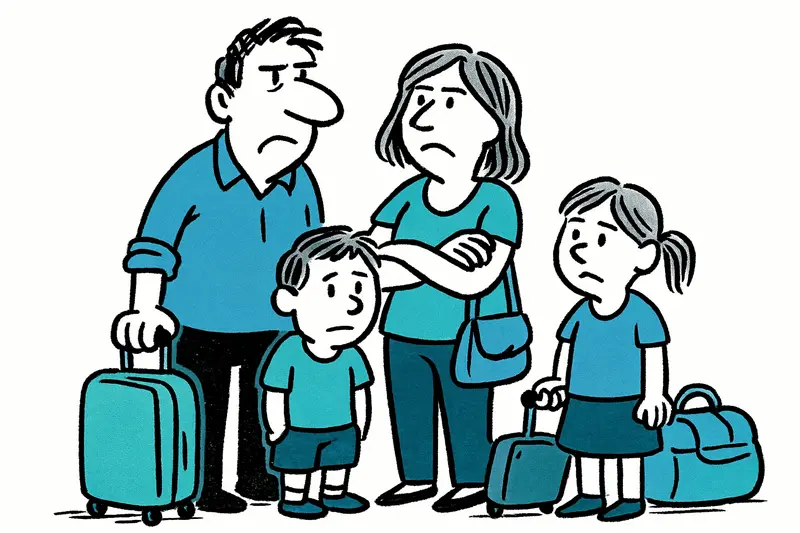
The scene is familiar here: children's laughter, the cry of a seagull over the paseo, the clink of ice in the Blue Bar's glasses. Only this time it sounds different. An Irish family of four, regulars in Calvià since the late 2000s, packed their bags after a short summer trip and said: 'Never again,' a trend that mirrors reports of fewer regular visitors. Not out of anger, but from a tired disappointment. On the phone the mother spoke softly: 'We couldn't believe it.'
Where did it hurt most?
The first sting came at the hotel. The stay was shortened from 14 to 10 days – and yet they paid around €600 more than before. That's about €60 per day. Then there are beach costs: four sunbeds, two parasols, roughly €45 a day. The children drew in a corner while the father added up the numbers on his pad. An evening at the Blue Bar, once a fixed part of the holiday ritual, became a luxury: an anniversary on the hotel balcony with canned food instead of a sundowner. Small gestures, big cuts. That's consistent with the broader price squeeze in the Balearic Islands.
Why is everything rising so sharply?
The simple answer is: many reasons at once. Energy prices, higher wages, transport costs and the aftermath of the pandemic have raised operating costs. But it is not only global factors. In Mallorca this meets a changed supply structure: commercialised beaches with concessions, dynamic pricing for accommodation, and a market that prioritises profit over loyalty, as explored in reporting on why hoteliers keep raising prices. What is often overlooked is the effect of cumulative small costs. €45 for the beach, €20 less for dinner, €10 parking fee – in the end it adds up to a felt break with the familiar holiday.
A little-noticed detail: the psychology of regulars
Regulars bring more than money: memory, habit, word-of-mouth. When this group suddenly saves or stays away, part of the island's identity fades. The family that used to go to the same bar every night was not just a tourist – they were part of the evening, the conversations, the circle of regulars. Losing them is not immediately visible in occupancy figures, but in the empty seat next to a favourite spot, in the missing clack of game pieces during a card game under the awning.
What consequences could this have?
In the short term there may be no visible consequences. In the long term, however, more regulars may seek new destinations: families who count on predictable costs are particularly price-sensitive. For places like Calvià this means not only less revenue in the low season, but also a creeping loss of reputation: places get labelled as 'expensive' and that acts like an invitation to premium tourism — not to those who once loved Mallorca as a second home. The drift away from regular clientele is detailed in coverage of how dinner becomes a luxury.
What can the actors do?
There is no silver bullet, but concrete levers exist: municipalities could promote transparency — for example with uniform labelling of beach prices and mandatory notices on sunbeds. Hoteliers can offer regulars discounts or flexible deals and make family packages attractive again. Beach operators should consider seasonal tiered pricing and local initiatives could issue 'regular-guest certificates' that reward loyal visitors. Important is that changes are agreed collectively — businesses, municipality and guests. Only then can a sustainable price-performance network that preserves trust emerge.
How can holidaymakers react?
Those who do not want to be surprised should look more closely: compare prices, book early, choose local markets instead of expensive tourist cafés. Small tricks help — a cooler box on the beach is not pretty, but it saves. Even better would be if the island did not make such saving options necessary because fairer prices were again part of the offer.
A quiet appeal from the paseo
In the end it's about more than numbers. It's about the feeling a place conveys: the sound of the waves, the heat of the stone walls, the expert chat with the barman about the beer of the evening. If these details are lost, what remains is a perfectly styled postcard motif — but no sense of belonging. The Irish family plans to try new destinations. Mallorca did not drive them away; they left because the familiar was no longer there. The question for the island is therefore: do we want to keep optimising the figure on the bill — or the loyalty that grew from it?
Location/Date: Calvià, late summer 2025. Conversations are based on statements from those involved.
Frequently asked questions
Why are regular visitors feeling priced out of Mallorca holidays?
Is Mallorca still affordable for families in the summer?
How much do beach sunbeds and parasols cost in Mallorca?
What is driving hotel price increases in Mallorca?
When is the best time to visit Mallorca if you want lower prices?
Is Calvià becoming too expensive for returning holidaymakers?
What can holidaymakers do to avoid surprise costs in Mallorca?
Why does losing repeat guests matter for Mallorca?
Similar News
Orange Alert over Parts of Mallorca: Are We Prepared?
Dark clouds and an announced wet spell have triggered an Orange alert in parts of Mallorca. A reality check: what's miss...

Sundair & Co.: Sale speculation and what it could mean for Mallorca
Rumors about a possible sale of the airlines Sundair and Fly Air 41, which belong to Schauinsland-Reisen — and whether b...
Anne Wünsche in Mallorca: A job offer with a catch — who fits the role of personal assistant?
Influencer Anne Wünsche has left Berlin and is urgently looking for a full-time personal assistant in Mallorca. Why the ...
Daily from New York: Palma Between Boom and Strain
United will increase the Newark–Palma route to daily flights in 2027 using Boeing aircraft (231 seats). What does the in...
Palma Gets a Welcoming Park: Tirador Goes Greener — and a Café Is Coming
A new green project in Es Fortí/Camí de Jesús will transform the old Voltadora into a city park with an experience fores...
More to explore
Discover more interesting content

Can Cap de Bou

Townhouse Lleo 72
