
Nightly Fires in Bons Aires: Palma Needs More Than Fire Engines
Nightly Fires in Bons Aires: Palma Needs More Than Fire Engines
Cars and garbage containers are burning again in Bons Aires. The fire department extinguished the fires, and the National Police are investigating. Residents are frightened — but prevention is lacking. An analysis with concrete steps for the city.
Nightly Fires in Bons Aires: Palma Needs More Than Fire Engines
Why repeated fires at the same street corner are not just a police problem
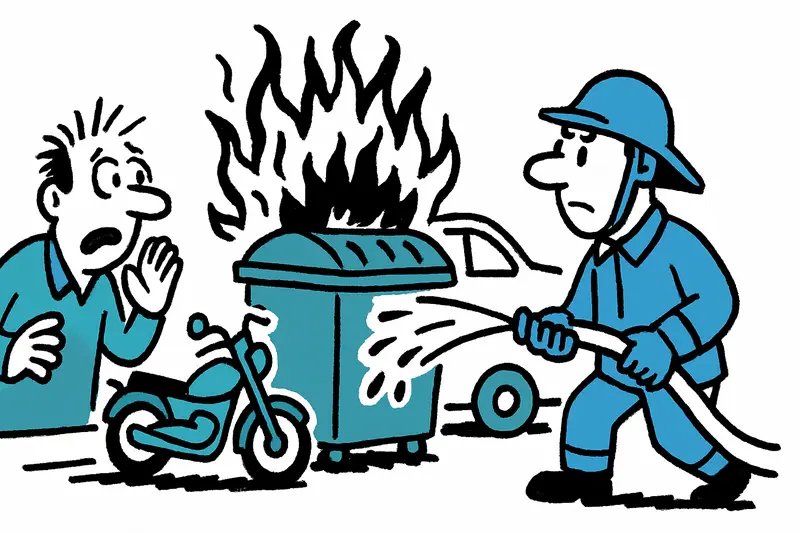
Shortly after 1 a.m., a fire broke out again in Bons Aires. At the intersection of Carrer de Blanquerna and Carrer de Tiziano a cardboard box caught fire, and the flames spread to motorcycles and several cars according to official reports. The fire department extinguished the blaze and medical assistance was on standby; according to current information no one was injured. A special unit of the National Police has taken over the investigation, as in Fire on the Paseo Marítimo: A Blaze, Many Questions.
The facts are sparse, but the impact on the neighborhood is large: people were awakened by loud bangs and the flashing lights of emergency vehicles. Those who pass the bakery on Carrer de Blanquerna in the morning now more often talk about "the fire incident" than about the weather. Cars are parked on the street as usual, garbage containers are still emptied at night, and the streetlights cast a dim light on narrow sidewalks. This everyday setting makes the recurring fires particularly disturbing, as shown by Motor scooter fire in Palma: Alarm on Calle Sindicat – How safe are our narrow shopping streets?.
Key question: How does Palma stop the series of arsons and prevent entire residential streets from becoming risk zones? Relying only on fire engines and investigations treats symptoms, not causes.
Critical analysis: The police can investigate, arrest perpetrators, and secure evidence. But many factors favor such incidents. Open garbage bins with easily flammable waste, narrow streets where vehicles are parked close together, and late collection times create a situation in which a small fire can quickly get out of control. When containers burn repeatedly in quick succession and even shopfronts are damaged, it shows a recurring pattern that can go beyond isolated perpetrators — whether organized destruction, youths escalating, or deliberate ignition to sow fear, a situation echoed in Fire on the outskirts of Palma: When improvised settlements become a ticking time bomb.
What is missing in public discourse: an honest debate about prevention. Too often coverage stops at reports about emergency services and outrage in the neighborhood. Concrete figures on high-risk locations, the schedule and frequency of waste collection, control of vacant lots, or whether public lighting and camera locations are sufficient are hardly discussed. Also barely visible are support offers for those affected — who pays for the damage to a car when flames spread from a container?
Everyday scene: On a Tuesday afternoon a shop assistant sits at the window of her small store near the corner. She rolls up the shutter, looks at the faded burn marks on the curb and shakes her head. Children play on the pavement, an older woman pushes her shopping trolley by. The routine continues, but with a noticeable mistrust of the night hours.
Concrete solutions Palma should tackle now: 1) Immediate measure: fire-secure waste containers instead of open bins at dangerous spots and more frequent collection; 2) Strengthen visible presence in affected neighborhoods — combined patrols by police and municipal enforcement during night hours; 3) Technical prevention: better street lighting and, where legally possible, targeted cameras at intersections with high incident rates; 4) Communication: a hotline for residents to report damage and a transparent city situation report on prevention measures; 5) Preventive social work: nighttime leisure offers and patrols by social workers in problem areas to prevent escalations among youth.
It is important that measures are not solely repressive. Making containers safer, adapting waste management and creating spaces for young people reduces opportunities. At the same time the city must intervene more quickly with regulatory measures when repeated fire sites are identified — for example through temporary parking bans or removing carelessly abandoned items.
Conclusion: Bons Aires needs more than good firefighting. The repetition of fires at the same corner is a warning signal that politics, city administration and police must read together. Otherwise there is a danger that a neighborhood with its rhythms of life and small shops becomes a place where people would rather not park or walk after dusk. Palma cannot allow that. Concrete prevention, transparent communication and the combination of regulatory measures and social work are the way to ensure neighbors can sleep peacefully again.
Frequently asked questions
Why do repeated street fires in Palma become a bigger issue than a fire response?
What should residents in Mallorca do if they see a fire starting on the street?
Are parked cars at risk when a rubbish container burns in Mallorca?
What makes the Bons Aires area in Palma vulnerable to night-time fires?
How can Palma prevent fires at the same street corner from happening again?
Do Mallorca residents get information about high-risk fire spots in their neighbourhood?
What role does street lighting play in preventing fires in Palma?
What support is available in Mallorca after a fire damages a car or shopfront?
Similar News
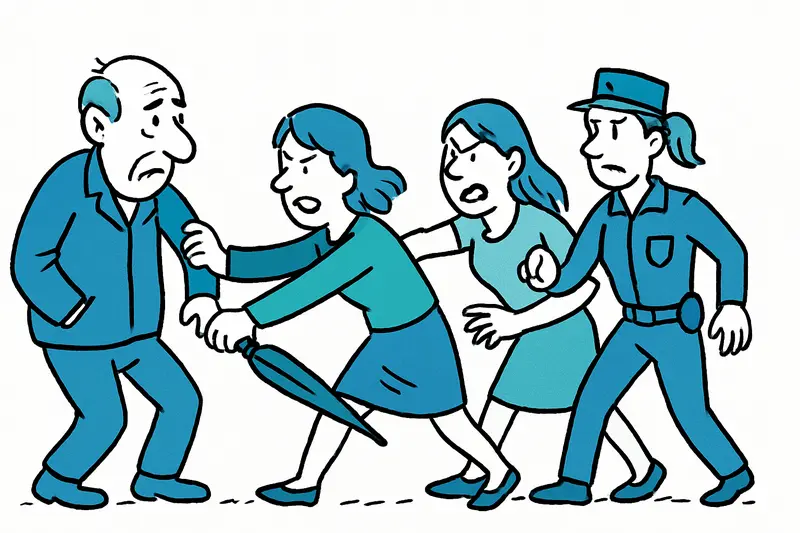
When the Wallet Becomes a Danger: Attack in Peguera and Lessons for Mallorca
In Peguera, two women are said to have stolen the wallet from a 75-year-old German couple. When the victim intervened, t...
Plata stays Plata: Young people take over, Llonguets remain
A small bar on Carrer de l'Argenteria will continue: Tolo Serra hands the place over to young Mallorcans at the end of t...
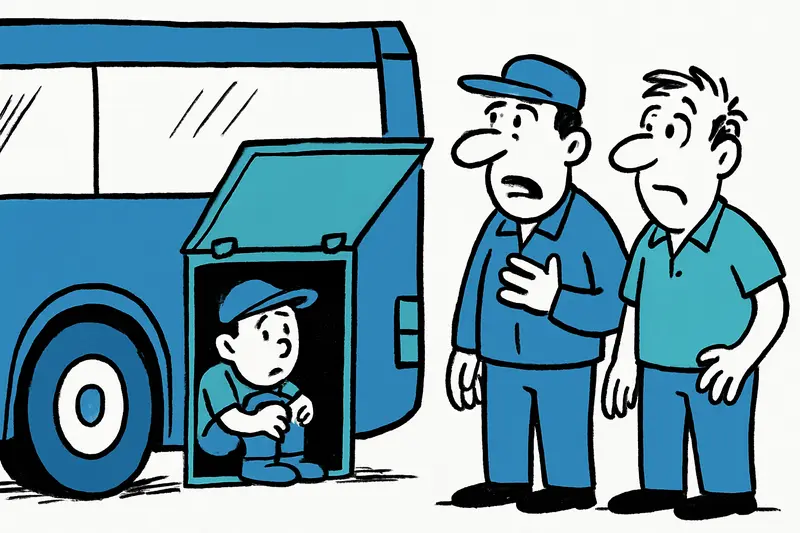
Unnoticed in the Luggage Compartment: How a Boy Traveled More Than 100 Kilometers in a Team Bus
A minor traveled in the undercarriage of a team bus for more than 100 kilometers until his cries for help were heard. A ...

Cap Vermell Grand: Second Michelin Key – a Gift for the East
The Cap Vermell Grand in Capdepera has been awarded its second Michelin key. For the region this elevates the luxury off...
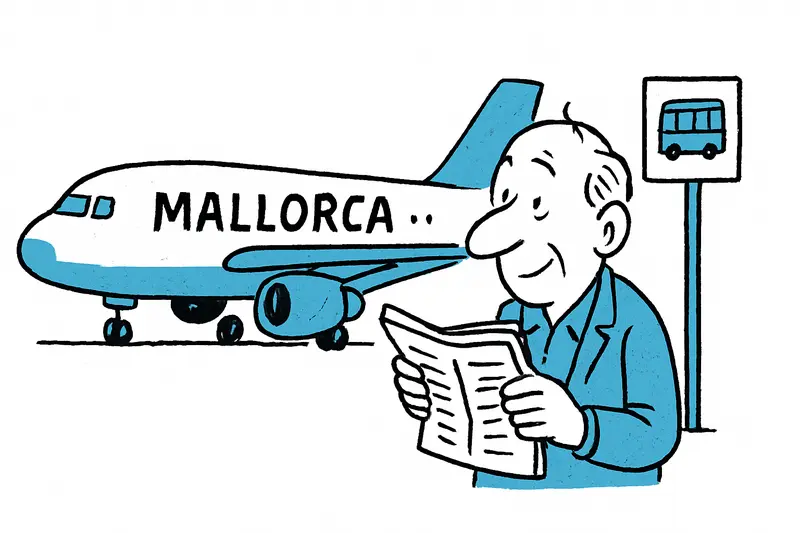
Eurowings lets four aircraft carry names – a friendly idea that also reaches Mallorca
Eurowings is launching a campaign: four Airbus A320s are to carry the first names of people who help others in everyday ...
More to explore
Discover more interesting content

Can Cap de Bou

Townhouse Lleo 72
