
No Plastic-Cup Sangría on the Beach — What Tourists at Playa de Palma Should Know Now
No Plastic-Cup Sangría on the Beach — What Tourists at Playa de Palma Should Know Now
Warning from a local account: drinks from illegal beach vendors can pose health risks. A critical assessment, an everyday scene, and practical tips for visitors.
No Plastic-Cup Sangría on the Beach: What Tourists at Playa de Palma Should Know Now
Key question: Why should you not buy a mojito or sangría from a beach vendor at Playa de Palma?
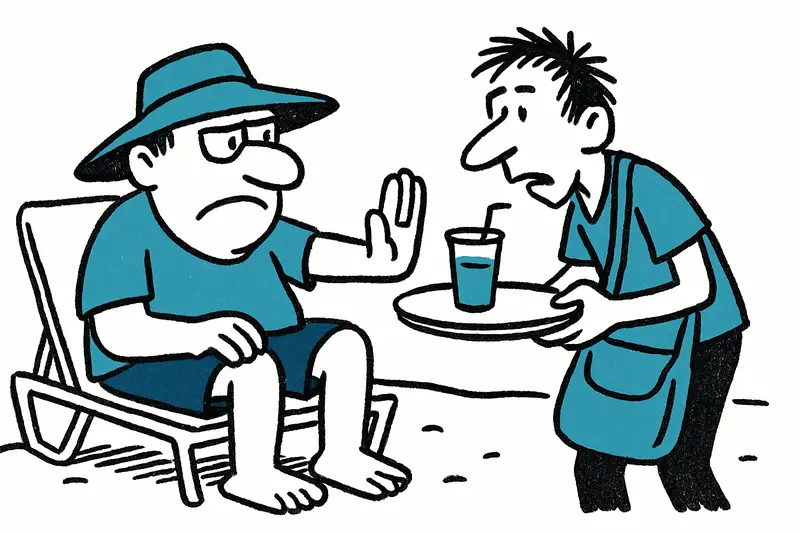
The warm sea breeze, the rustling of deckchair towels and the vendors who walk between sunbeds and the promenade — that is a typical midday scene at Playa de Palma. Recently the local social media account 'Playa de Palma' has explicitly warned visitors against buying alcoholic mixed drinks from itinerant sellers. The appeal is short but serious: the preparation and storage of such drinks often take place under conditions that can cause health problems.
Critical analysis: From what the post describes, concrete risks can be identified. Drinks containing sugar, cut fruit and ice are sensitive breeding grounds for bacteria at high outdoor temperatures. If containers are repeatedly opened, stored in the sun or inadequately cleaned, the likelihood of gastrointestinal illnesses increases. After such incidents many tourists make a false connection: they assume the cause was the restaurant or the hotel buffet — when in fact the last sangría on the beach may have been responsible.
What is missing in the public debate: There is much discussion about noise, litter and closing times, but rarely about hygienic risks posed by illegal beach vendors. Few ask about inspections: How often does the city carry out checks? What penalties apply? Are the drinks even produced in a traceable way? These gaps mean that the warning on social networks raises awareness but does not answer the structural questions that would actually give tourists reassurance. This gap is also discussed in Ballermann in Focus: How safe is Playa de Palma really?.
Everyday scene: It is just before two, the sun is high, and a stream of towels and sun hats moves along the Passeig Marítim. A seller with a plastic tray makes his way through; a reggae beat from a beach bar, the shriek of seagulls and the bell of a delivery scooter weave together into a typical soundscape. Tourists hold out their palms, hand over cash — and usually only realize later, when nausea sets in, that the glass brought more than good cheer.
Concrete approaches for the short and medium term: First, as a consumer: buy only from licensed businesses. A simple rule: unopened bottles or cups served from a counter with visibly cooled storage are safer than open mixtures from a seller's backpack. Second, as a municipality: clear signs in several languages at busy beach sections, regular inspections by health authorities and targeted checks during midday and afternoon hours could defuse much of the risk. Third, as hotels and event organizers: inform guests at check-in, provide small flyers with tips for safe drink choices and cooperate with licensed beach bars so guests have vetted alternatives.
What private individuals can do concretely: If you see suspicious vendors, document time and place if possible (a photo, avoid direct confrontation) and report the observation to the local police or the tourist office. If you experience symptoms after consumption: note when and where you bought the drink and seek medical help if in doubt — this also aids tracing.
Why the topic is also economically relevant: Illegal sellers undermine legitimate providers who pay wages, taxes and comply with hygiene standards. In the long term, visitors' trust in local catering offerings can suffer if authorities do not visibly ensure controls, an issue linked to reporting on Price shock at Playa de Palma: Who pays for the beach?.
What should happen now: More transparency. Information about existing inspections and clear contact points for reports must be public and easy to find. Additionally: communicate concrete fines so potential sellers know there is no grey area.
Pointed conclusion: The tempting cup of sangría in the heat may still feel like a holiday ritual, but it can turn the next couple of hours on the beach into an unpleasant memory. Stick to licensed businesses, ask briefly about cooling arrangements, and if something seems off: hands off. This is not about bureaucracy — it is protection against spoilage and illness. And for the island: clearer cooperation in control, education and reasonable alternatives would help everyone.
Frequently asked questions
What is Mallorca like in April for a spring holiday?
Can you swim in Mallorca in April?
What should I pack for Mallorca in spring?
Is April a good time to visit Mallorca if you want quieter beaches?
What is the weather usually like in Palma de Mallorca in spring?
Is April a good time for walking in the Serra de Tramuntana?
What is Sóller like for a day trip in spring?
When does Mallorca start to feel warm enough for beach weather?
Similar News
Stolen Motorcycle in Palma: Fatal Crash in Coll d'en Rabassa Shortly After Theft
A motorcycle parked on Plaza Miquel Dolç in Son Gotleu was reportedly stolen in the early hours. Hours later two men cra...
When More Guests Mean Less: Mallorca's Restaurants at the Limit
Despite record visitor numbers, the revenues of many restaurants are shrinking. Why more visitors don't automatically me...
Ballermann 2026: Heat, crowded promenade and rising prices – how much longer?
Bright sunshine, over 35 degrees in the shade and busy venues at Playa de Palma: Tourists enjoy the parties, restaurateu...
Stolen motorcycle, high-speed escape, deadly crash: An accident in Palma that raises questions
A motorcycle stolen in Son Gotleu ended up hours later on the Cardenal-Rossell in Coll d'en Rabassa in a deadly collisio...

Found dead in Son Gotleu: Dog walk ends fatally — what is missing in the investigation?
A 68-year-old man was found dead on Sunday morning on Tomás Rullàn street in Son Gotleu. According to his partner, he ha...
More to explore
Discover more interesting content

Boat Tour with BBQ along Es Trenc Beach

Private transfer from Mallorca Airport (PMI) to Pollensa
