
Fire in Magaluf: Who Bears Responsibility? A Reality Check After the Early-Morning Blaze
Fire in Magaluf: Who Bears Responsibility? A Reality Check After the Early-Morning Blaze
A residential building in Magaluf caught fire in the early morning. At least one person died and dozens were injured. Time for questions: fire protection, inspections and everyday life on site.
Fire in Magaluf: Who Bears Responsibility? A Reality Check After the Early-Morning Blaze
The fire in the neighborhood around Calle Federico García Lorca, just after 6 a.m., has shaken the island
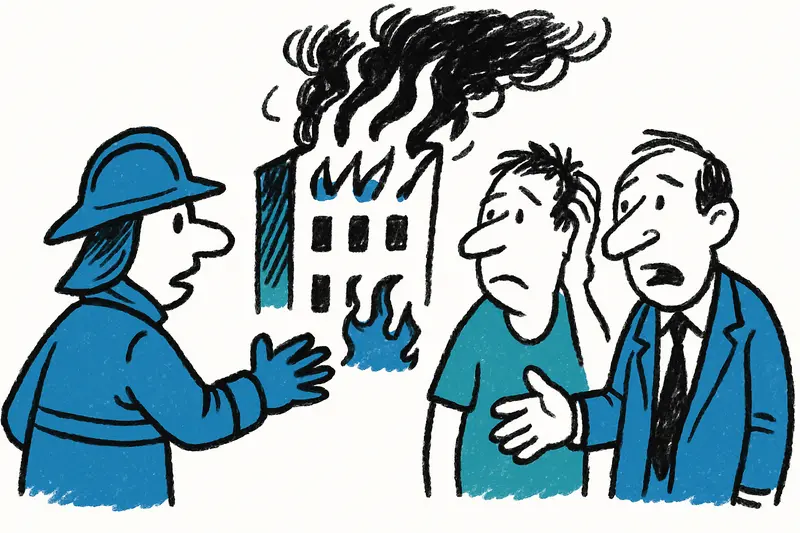
On Thursday morning a fire broke out in Magaluf, not far from the well-known party area, in the building "Trianón." Units from the local Calvià police, the Guardia Civil, the Mallorca fire brigade and ambulances were on site; access roads were closed. At least one person died, numerous others were injured, and some were taken to hospital with smoke inhalation. The Guardia Civil has taken over the investigation.
Key question: How could a catastrophe with fatalities and dozens of injuries occur in such a frequented corner of the island at a time when many people are still sleeping or just getting up?
Critical analysis: In Magaluf, cramped living spaces, tourist accommodations and nightlife meet. Buildings that house guests or multiple households need functioning escape routes, tested smoke detectors and regular building documentation. If a fire gets out of control shortly after 6 a.m., that either points to a very fast-developing blaze or to failures in early detection and alarm. The fast response by the fire service apparently prevented worse outcomes; nevertheless, the result points to gaps — be they structural defects, missing evacuation plans or inadequate building inspections, as seen in other large evacuations such as Fire in hotel at Playa de Palmanova: Evacuation, no injuries — and unanswered questions.
What is often missing in the public debate is the systemic question. Much is reported about individual fates — rightly so — but little about the structure behind the tourist housing market. Short-term rentals, unofficial accommodations and apartments with frequently changing occupants make inspections harder, a problem highlighted after incidents like Fire in Port d'Alcúdia: Why the big scare is also a wake-up call for fire safety. Added to that are language barriers between guests, hosts and emergency services, and a practice that rewards quick re-occupying of rooms without sufficiently checking safety.
An everyday scene from Magaluf to illustrate: Around half past six, when the first garbage trucks run their routes and bars roll up their shutters, the smell of yesterday still lingers in the streets. On Calle Federico García Lorca sturdy streetlights stand, taxis wait, cleaning staff sweep in front of venues. Today, however, yellow police tape marks the spot, sirens echo, residents peer anxiously from windows, and a bus driver says quietly: "We haven't had anything like this here in the morning before." This mix of normality and exception captures the feeling of many who live or work here.
Concrete solutions: First, mandatory installation and maintenance of smoke detectors in all tourist-used accommodations — not as a recommendation, but as a regulation. Second, regular, unannounced inspections by the building authority and the fire service, with special focus on accommodation types that frequently change occupancy. Third, clear short-term rules for operators: evacuation plans, staff training, and multilingual safety information for guests. Fourth, better digital recording of rentals: a central register that allows authorities to plan inspections. Fifth, additional resources for the fire and rescue services in high-season hotspots — more personnel, flexibly deployable reinforcements and targeted equipment for narrow, hard-to-access buildings; the need for clearer accountability is similar to debates raised after structural failures such as Medusa Beach: Who Bears Responsibility After the Collapse?.
Also: transparent communication. Relatives and neighbors need reliable information without speculation. The ongoing investigations by the Guardia Civil are important, but preventive steps must also be taken, not just retrospective blame — a failure of systems and incentives is explored in reports like Attempted Insurance Fraud in Mallorca: Who Sets Fires — and Why the System Fails.
What will not help now: immediate politicization or blaming individuals without the results of the investigation. What would help: a discussion about how tourism and housing can coexist more safely. Operators, authorities and the neighborhood must pull together.
Pointed conclusion: A fire in such a busy corner of Mallorca is a warning signal. It reminds us that basic work — structural safety, regular inspections, clear rules for accommodation and fast, multilingual communication — is not an annoying bureaucratic duty but saves lives. For Magaluf this means: not only mourning and commemorating, but drawing consequences from the shock. Otherwise the only remaining question will be: what did this sacrifice ultimately wake us up for?
Frequently asked questions
What happened in Magaluf during the early-morning fire?
Why can fires in Mallorca tourist accommodation become so dangerous so quickly?
What safety rules should Mallorca holiday apartments and hotels have?
Is Magaluf safe to stay in after a fire like this?
What should you do if a fire breaks out in a Mallorca hotel or apartment?
Why are unannounced inspections important for Mallorca rentals?
What should travellers know about fire safety in Magaluf nightlife areas?
Who is investigating the Magaluf fire?
Similar News
Found dead in Son Gotleu: Dog walk ends fatally — what is missing in the investigation?
A 68-year-old man was found dead on Sunday morning on Tomás Rullàn street in Son Gotleu. According to his partner, he ha...
Theft at Playa de Palma: How safe are tourists at night?
At Playa de Palma street vendors snatched a gold chain worth around €5,000 from a tourist. The National Police intervene...
Smoking Weed at the Ballermann: Why a Ten-Euro Joint at Playa de Palma Ends in Handcuffs
A street purchase for 10 euros at Playa de Palma led to an arrest. Why a simple joint on holiday can have serious conseq...
Push-ups on the Sea: Why Prone Paddlesurf is Taking Off in Mallorca
Those who crawl belly-down across the water aren't signaling for an ambulance but curiosity: prone paddlesurf — long, na...
When Bouncers Run Amok: Emmy Russ and the Question of Safety at the Ballermann
An incident at the Megapark involving reality TV figure Emmy Russ raises broader questions about the oversight of securi...
More to explore
Discover more interesting content

Boat Tour with BBQ along Es Trenc Beach
Private transfer from Mallorca Airport (PMI) to Pollensa
