
Waste in Felanitx: High fines alone are not enough – a sober analysis
Waste in Felanitx: High fines alone are not enough – a sober analysis
Felanitx is cracking down harder on illegal waste dumping: fines up to €1,500, eight penalties have already been issued. Why monetary fines are not the whole answer.
Waste in Felanitx: High fines alone are not enough – a sober analysis
Key question: Can fines of up to €1,500 in Felanitx permanently solve the problem of illegal waste dumping, or do they only scratch the surface?
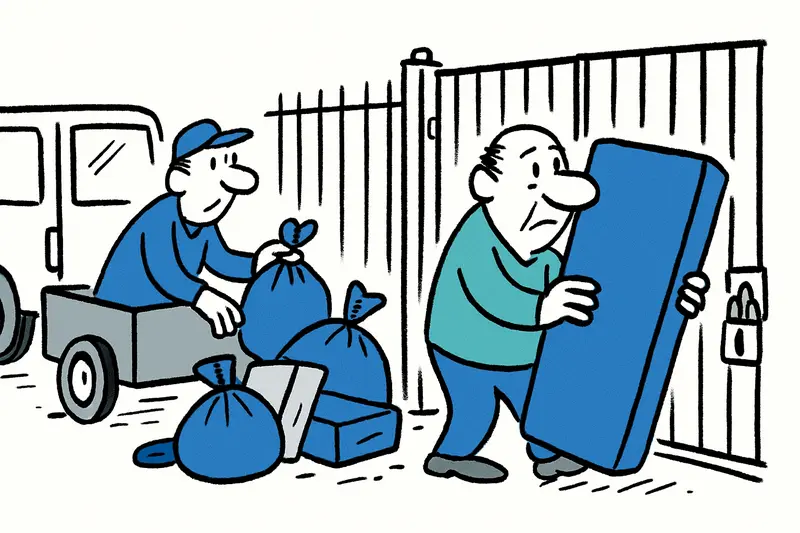
Early in the morning, when the sun is just crawling over the ridges of the Serres de Llevant and the streets of Felanitx are still cool, small vans and trailers sometimes already stand at the fence of the municipal recycling collection point in the industrial area. The gates are closed, a lamp hums, and in the distance you can hear the rattle of a wheel bearing. What then happens: some leave their bulky waste next to the gate. The municipality has reacted and stepped up controls. In recent days eight fines were issued; most pay amounts up to €750, while in more serious or repeated cases penalties of up to €1,500 are threatened. All information about collection and opening hours is referred by the administration to the website perunfelanitx.net.
Critical analysis: fines are a clear signal. They show that the municipality does not want to stand idly by while public paths and rural areas are polluted. But money alone does not reach all life and usage realities. If you walk once along the narrow lane on the edge of town, you can see it: older residents without a car, shift workers with little time and small businesses that must deliver waste outside regular opening hours. For them, the trip to the collection point, especially if they have to drive to a job in Palma or Manacor, is often an effort. When the gate is closed, some decide on the easier, illegal route.
What has been lacking so far in the public debate: reliable data and transparency. We hear about eight sanctions and about maximum penalties, but not about how many reports were rejected, how many cases involve genuine repeat offenders, or how the municipality uses the revenue from fines. Also rarely discussed: the accessibility of the collection point at times that also suit working people, and the situation of commercial disposal providers. Without this information the debate remains at risk of symbolic politics.
A practical observation from the town: on a Wednesday around 7 pm two young fathers stand on the plaza, talking about football and the topic of waste. They are annoyed, but they also speak about missing signage at some access roads and about garbage bags that repeatedly end up at the same spot. Such everyday conversations show that neighborhood feeling and local habits are underestimated. A fine may hit the individual, but it does not automatically change collective behavior.
Concrete solutions that achieve more than just threats of punishment:
1) Make opening hours more flexible and communicate them: Post them clearly at access points, push them via the municipal app, distribute them at markets and to craft businesses. When people see the opening times, the temptation to dump illegally decreases.
2) Targeted bulky waste pick-up dates: Free or low-cost pickups in residential areas, bundled by neighborhood, reduce the need to travel and make disposal easier for older people.
3) Transparency on fines: An annual overview showing how many proceedings were conducted, how often fines were imposed and how revenues were used builds acceptance. Equally important: transparent rules for businesses that regularly deliver larger amounts.
4) Local enforcement measures: Improved signage at known hotspots, temporary barriers, smart lighting and directed camera monitoring at access roads where the law allows it.
5) Prevention instead of just sanctioning: Information campaigns in schools, neighborhood associations and commercial areas. Small local initiatives often have more impact than regional campaigns, because neighbors can address each other directly.
6) Cooperation with disposal companies: Clear pickup schedules, emergency arrangements during strikes and a hotline for businesses so that illegal dumping does not occur when supply chains are disrupted.
These proposals are not rocket science. They cost money and administrative capacity, but they address causes, not just symptoms. It is particularly important that penalties are linked to offers: those who have no opportunity for legal disposal primarily need a practical alternative.
Pointed conclusion: the stepped-up controls in Felanitx are a step forward because they do not ignore the problem. But they remain incomplete if accessibility, communication and transparency are not improved in parallel. Without these building blocks the whole thing risks becoming pure fine policy: effective in the short term, expensive in the long term and unfair to those who have real disposal problems. Those who want real cleanliness must rebuild the system instead of just tightening the belt.
Practical tip to finish: anyone living or working in Felanitx should note the opening hours on perunfelanitx.net and look for local bulky waste dates. Being better informed reduces fines and keeps the streets cleaner.
Frequently asked questions
What kind of weather should I expect in Mallorca in early spring?
Is Mallorca warm enough for swimming in spring?
What should I pack for a trip to Mallorca in March or April?
Is spring a good time to visit Mallorca for outdoor activities?
What is Palma de Mallorca like in spring?
Are Mallorca’s beaches busy in spring?
Is spring a good time to visit Valldemossa in Mallorca?
What is the weather like in Mallorca compared with the coast and inland areas?
Similar News

When the Tap Only Runs Sometimes: Why Municipalities in the Balearic Islands Are Now Rationing Water
Deià, Valldemossa, Esporles, Sóller and several places on Menorca are scaling back water supply. Who is responsible, why...
Battle for the Ramp: Why Cala Gamba Needs More Than Enforcement
The Guardia Civil intervened in Cala Gamba — residents breathed a sigh of relief, but unease remains. Key question: Are ...

He dances at the Duty-Free: How an airport employee brings a smile to Palma
A Duty-Free employee at Palma Airport created a viral TikTok with dancing breaks. Why the scene is more than just an int...
Stolen Motorcycle in Palma: Fatal Crash in Coll d'en Rabassa Shortly After Theft
A motorcycle parked on Plaza Miquel Dolç in Son Gotleu was reportedly stolen in the early hours. Hours later two men cra...

When More Guests Mean Less: Mallorca's Restaurants at the Limit
Despite record visitor numbers, the revenues of many restaurants are shrinking. Why more visitors don't automatically me...
More to explore
Discover more interesting content

Boat Tour with BBQ along Es Trenc Beach

Private transfer from Mallorca Airport (PMI) to Pollensa
